SAEDNEWS: Teeth decay as a result of cavities formed due to infection and contamination. These cavities and tooth decay can seriously threaten the health of your teeth.
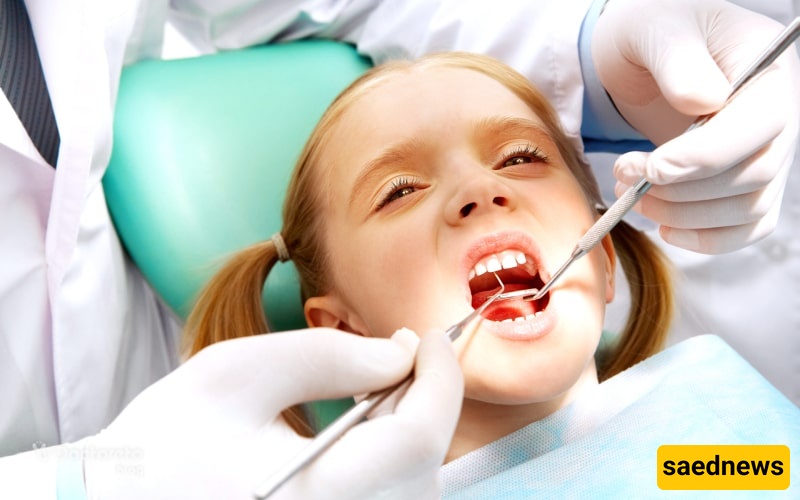
According to Saednews, The mouth and teeth are constantly exposed to various contaminants and risks that can create small cavities. These cavities eventually develop into tooth decay. This condition is caused by a combination of factors such as bacteria in the mouth, harmful foods, and sugary drinks that damage the tooth surface.
Dental cavities and decay significantly threaten oral health. This issue is more common among children, teenagers, and the elderly, although it can also occur in infants.
If left untreated, these cavities grow deeper into the tooth, leading to severe toothache, infection, and eventually tooth loss. Regular dental visits, proper brushing, and flossing are the best ways to prevent these problems.
The symptoms of tooth decay vary depending on its location and severity. In the early stages, there may be no symptoms at all. As decay progresses, the following signs may appear:
Toothache or sudden sharp pain
Tooth sensitivity
Mild to severe pain when eating or drinking sweet, hot, or cold foods
Visible holes in the teeth
Brown, black, or white stains on teeth
Pain while chewing
Food getting stuck between teeth or floss tearing easily
Pain when biting or applying pressure on teeth
Bad breath

Certain areas of the teeth are more prone to decay:
Chewing surface grooves:
Deep grooves on molars provide an ideal environment for bacteria to grow.
Between teeth:
These areas are difficult to clean with a toothbrush, allowing food particles to remain and cause decay.
At the gumline (tooth-neck area):
Bacteria accumulate in this region, leading to both tooth decay and gum disease.
You may not always notice cavities in their early stages. Therefore, regular dental check-ups are essential. Any tooth pain or oral discomfort should be evaluated by a dentist as soon as possible.
Tooth decay occurs due to four main factors: bacteria, sugars, tooth resistance, and time. Without bacteria, decay cannot occur. When bacteria are present but no sugar is available, decay is minimal. Individuals with strong natural resistance may not develop decay even with bacteria and sugar present. However, when all factors combine, tooth decay gradually develops.
1. Plaque formation:
Plaque is a visible layer formed on teeth due to improper cleaning and sugar consumption. Bacteria feed on leftover sugars and multiply, forming a sticky layer that becomes harder to remove over time.
2. Acid attack:
Acids produced by plaque attack the outer layer of the tooth and begin dissolving enamel. In some cases, the damage can reach deeper layers, causing sensitivity.
3. Progressive decay:
As decay advances, bacteria and acids penetrate deeper into the tooth, reaching the pulp (which contains nerves and blood vessels). This leads to inflammation, pressure, and severe pain, sometimes extending to the root and surrounding bone.
Not all oral bacteria cause decay. When teeth are not cleaned properly, bacteria form a sticky layer called dental plaque. This layer contains various microorganisms and cells from the mouth and cannot be easily removed with water alone.
Over time, more bacteria join the plaque, increasing its harmful effects. Dental plaque is colorless and often invisible. Proper brushing is necessary to remove it.
Changes the natural color and shine of teeth
Causes tooth decay
Leads to gum disease and damage to supporting tissues
Hardens into tartar (calculus)

Tooth location: Back teeth are more prone to decay due to their shape and food accumulation.
Sugary foods and drinks: Ice cream, milk, honey, sugar, soda, dried fruits, cakes, cookies, chocolate, and chips increase risk.
Frequent snacking: Constant sugar intake feeds bacteria and increases acid production.
Bottle feeding at bedtime (infants): Leaving sugary liquids on teeth overnight increases decay risk.
Poor brushing habits: Not cleaning teeth after meals leads to plaque formation.
Lack of fluoride: Fluoride helps strengthen enamel and prevent cavities.
Age: Children and older adults are at higher risk.
Dry mouth: Reduced saliva increases decay risk since saliva helps neutralize acids.
Acid reflux (heartburn): Stomach acids can reach the mouth and damage teeth.

Tooth decay does not happen in one day. After eating sugar, acids begin forming within 2–5 minutes. Acid levels peak around 10 minutes and remain high for 20–60 minutes before gradually returning to normal.
Repeated eating keeps the mouth in an acidic state, which increases enamel damage over time.
Brush teeth at least twice daily with fluoride toothpaste
Use dental floss regularly
Rinse the mouth after eating
Visit the dentist regularly
Drink clean and fluoridated water
Eat healthy foods and vegetables
Reduce sugary snacks
Use antibacterial treatments if recommended

The most common materials for treating cavities are amalgam and composite. Your dentist will recommend the best option based on your condition, but personal preference and research can also help in decision-making.
Depending on the severity of the cavity, local anesthesia may be used during treatment. In some cases, nitrous oxide gas may also be applied to reduce discomfort.
Severe tooth decay may require more than one dental visit. Treatment typically involves multiple steps, including preparation of the tooth and the actual filling procedure.