SAEDNEWS: Contrary to popular belief, having the same blood type has no connection to marriage compatibility. Two people with the same blood type can live together without any issues and have healthy children.
According to Saednews, Many people believe that premarital blood tests are primarily about blood type compatibility. In reality, blood type itself is not a barrier to marriage, and couples with different blood groups can marry without concern. However, understanding blood type compatibility—particularly the Rh factor—is important for couples who plan to have children.
Before marriage and family planning, it is advisable for couples to learn whether their blood types are compatible and discuss any potential concerns with a healthcare professional.

The main concern is not the ABO blood group system (A, B, AB, or O), but the Rh factor, which can be either positive (+) or negative (-).
A child does not necessarily inherit the same blood type as either parent. Therefore, understanding the combination of both parents’ blood types is important when planning a pregnancy.

If both partners share the same blood type and Rh factor, complications related to blood type incompatibility are generally unlikely.
For example, if both partners have A+ blood, they both carry the positive

Rh factor, which usually presents no compatibility concerns during pregnancy.
Children born to parents with the same blood type are also more likely to inherit that same blood group.
Having different blood types does not automatically create a problem. However, complications can arise when the mother is Rh-negative and the fetus inherits an Rh-positive blood type from the father.
In such cases, the mother's immune system may recognize the fetus's Rh-positive red blood cells as foreign and produce antibodies against them.

If fetal blood enters the mother's bloodstream, the mother's immune system may begin producing antibodies against the Rh factor. These antibodies can cross the placenta and attack the fetus's red blood cells.
This process can lead to:
Fetal anemia
Jaundice
Hemolytic disease of the newborn
Severe complications affecting fetal development
In extreme cases, fetal death
The first pregnancy is often less affected because the mother's body usually begins producing significant antibodies only after exposure to fetal blood. Subsequent pregnancies with Rh-positive babies face a greater risk.
Modern medicine provides effective preventive measures.
Women who are Rh-negative may receive an anti-D immunoglobulin injection (RhoGAM) during pregnancy and within approximately 72 hours after delivery if the baby is Rh-positive.
This treatment helps prevent the mother's immune system from developing antibodies that could affect future pregnancies.
Importantly, Rh incompatibility does not prevent marriage. It simply requires proper medical monitoring and preventive care.
Without appropriate medical management, Rh incompatibility can contribute to:
Hemolytic disease of the fetus and newborn
Severe anemia
Jaundice
Heart failure in the fetus
Neurological damage
Stillbirth or neonatal death
One serious complication is erythroblastosis fetalis, a condition in which the fetus's red blood cells are destroyed by maternal antibodies.
Treatment may require blood transfusions and careful monitoring of bilirubin levels. Excessively high bilirubin levels can lead to kernicterus, a type of brain damage that may result in developmental delays, intellectual disabilities, and swallowing difficulties.

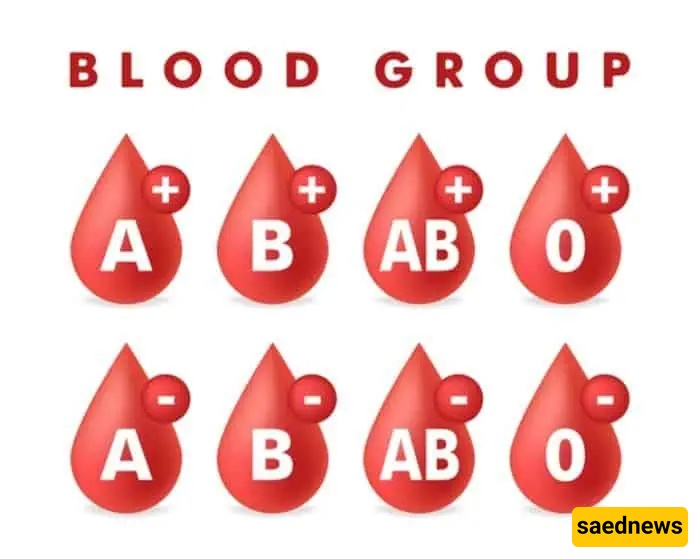
Human blood is classified into four main groups:
A
B
AB
O
Each group may be either Rh-positive or Rh-negative:
A+
B+
AB+
O+
A-
B-
AB-
O-

People with blood type A have A antigens on their red blood cells and anti-B antibodies in their plasma.
Individuals with blood type AB possess both A and B antigens on their red blood cells.
One notable advantage of blood type AB is that these individuals can receive blood from all ABO blood groups under appropriate transfusion conditions.
Individuals with O-negative blood are often considered universal blood donors because they lack A, B, and Rh antigens.
O-positive individuals possess the Rh factor but still belong to the O blood group.
Laboratories determine blood compatibility by mixing blood samples with reagents containing antibodies against A and B antigens and by testing for the presence of the Rh factor.
These tests help identify blood type and determine whether Rh incompatibility may exist.
Healthcare providers may recommend genetic counseling or testing for:
Couples who are related by blood (consanguineous marriages)
Couples in which one partner has a genetic disorder
Couples with a family history of inherited diseases
Women younger than 18 or older than 33
Couples exposed to hazardous chemicals, radiation, or high-risk occupational environments
Blood incompatibility alone should not discourage marriage.
Couples should consult a physician to understand any necessary precautions before pregnancy.
The major genetic concern in many premarital screenings is often hereditary disorders rather than blood type differences.
Individuals with thalassemia minor are typically healthy carriers. However, when two carriers marry, they have a significant risk of having a child with thalassemia major, a severe inherited blood disorder.
For this reason, premarital screening programs in many countries include testing for thalassemia carrier status.
Blood type differences do not make marriage unsafe or impossible. The most important issue is identifying potential Rh incompatibility and receiving appropriate medical care during pregnancy. With modern screening, monitoring, and preventive treatments such as RhoGAM injections, most couples with different blood types can have healthy pregnancies and children.