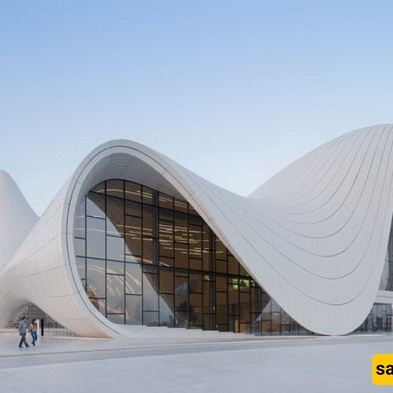
SAEDNEWS: With the rapid advancement of technology and artificial intelligence, many jobs are at risk of automation, but there are still some roles that cannot be replaced by computers.
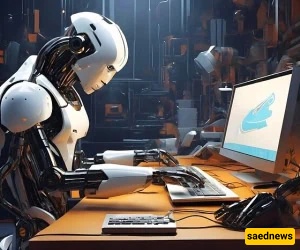
According to SAEDNEWS, Answering the question, “Which jobs can robots do?” is simple. Insight, creativity, innovation, and, of course, imagination are traits that—even if computers can imitate or partially perform them—will still require human involvement. Many believe that humans will always have the upper hand and that no robot can perform as well as a human.
With the rapid advancement of computers and artificial intelligence, many tasks are now being handled by these technologies. However, there are still jobs that computers are incapable of performing—and likely never will. Here are some examples.
We’re not talking about video games, but real-world sports and competitions. Today’s world is full of sports enthusiasts who love playing and watching competitions. Sports satisfy humanity’s innate desire for play and competition. Would a stadium full of robot spectators feel thrilling? Maybe for a moment, but the artificial nature would soon become apparent. Since humans are always active in various sports, this profession will remain alive and dynamic, and no robot or AI can replace it.

What makes a classroom engaging and effective? Undoubtedly, active human interactions that spark excitement and mental engagement. No matter how advanced technology becomes, it cannot replace these interactions, and the need for teachers will always remain. While online classes have grown tremendously in popularity, their effectiveness cannot match that of in-person learning.
Can computers teach arts like music or literature as effectively as humans? The answer is complex. While it might be possible in the future, guiding human experiential and mental learning with robots is highly challenging. Even if schools were filled with robots, they could not provide personalized teaching. Thus, the teaching profession will always rely on humans.
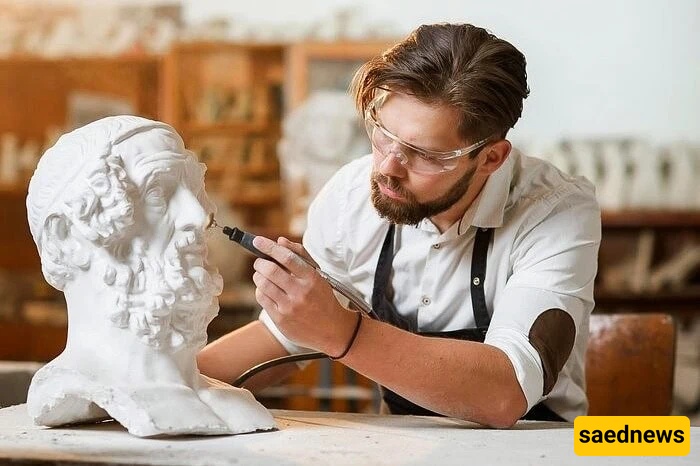
Painting, sculpture, and architecture are professions that demand creativity and artistic vision, which come exclusively from the human mind. Despite advanced technologies, human creative arts continue to hold a unique place. Digital tools like Photoshop or Illustrator can assist graphic designers or enhance creativity, and programs like FL Studio and GarageBand support musical creation. Yet, computational efforts can never fully replace human imagination and artistry.
In today’s world, quality matters in every aspect of life. Can robots ensure it completely? Interestingly, robots can malfunction or break down, making human oversight always necessary. Machines and robots may encounter faults or component failures. Even under the best conditions, quality cannot be fully guaranteed. When issues arise, humans are the ones who can resolve them. Quality cannot be perfectly automated, because it is inherently limitless. Even a machine designed to guarantee quality may fail, making human expertise indispensable.
Despite medical advances, robots cannot replace doctors and nurses. Certain technical tasks can be performed by computers, but areas requiring interpretation of incomplete patient information and understanding human psychology remain beyond their reach. Robot-led treatment can lead to serious problems due to potential errors. Medical practice continues to rely on human creativity, judgment, and empathy.

In the near future, computer systems may predict political and economic trends, but they will never replace humans. Computers cannot take responsibility for villages, cities, or nations, enact new laws, or make judicial decisions. Governors, legislators, and judges will always need human insight, something computers are incapable of providing.