SAEDNEWS: In the autumn of 2014, twenty-one years had passed since one of the most significant archaeological discoveries of the last century—the discovery of the tomb of Tutankhamun by a British archaeologist.
According to Saednews, In the autumn of 1922, British archaeologist Howard Carter, who had spent more than six years excavating Egypt's Valley of the Kings, made one of the greatest discoveries in the history of modern archaeology. He uncovered the tomb of Tutankhamun, an ancient Egyptian pharaoh who had ruled more than 3,200 years earlier.
After carefully opening a small opening in the sealed entrance, Carter inserted a candle into the chamber while his patron, Lord Carnarvon, a photographer, and two assistants stood beside him. Carter later described the unforgettable moment:
"At first I could see nothing. The warm air escaping from the chamber caused the candle flame to flicker. Gradually, as my eyes adjusted to the light, the details of the room emerged from the darkness—strange animal figures, statues, and gold. Everywhere there was the glimmer of gold. For a moment that seemed eternal, I stood speechless in amazement. Then Lord Carnarvon, unable to bear the silence any longer, anxiously asked, 'Can you see anything?' I replied, 'Yes, wonderful things.'"
What made Carter's discovery extraordinary was that the tomb had remained almost completely untouched for thousands of years. Although Tutankhamun was not among Egypt's wealthiest or most powerful pharaohs, the tomb's small entrance, hidden beneath layers of rock and debris, had protected it from looters throughout the centuries.
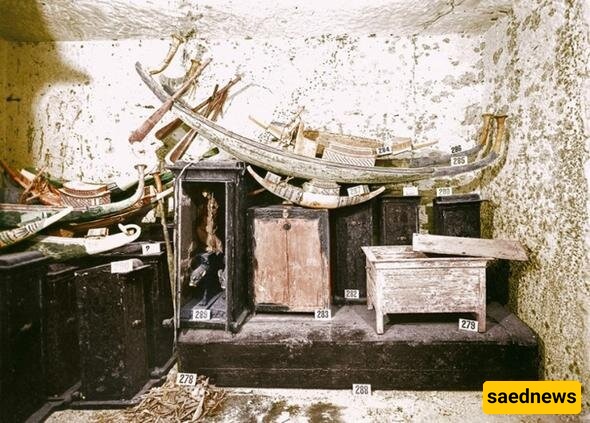
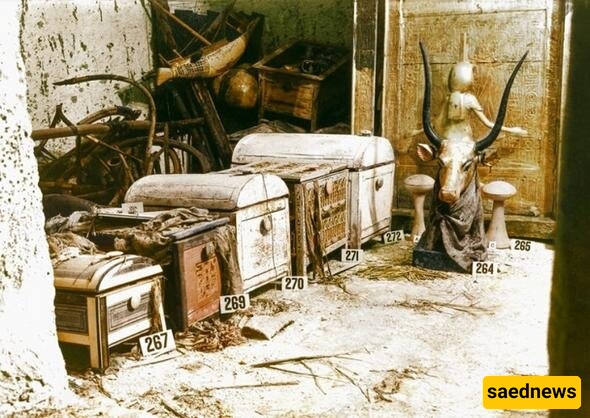
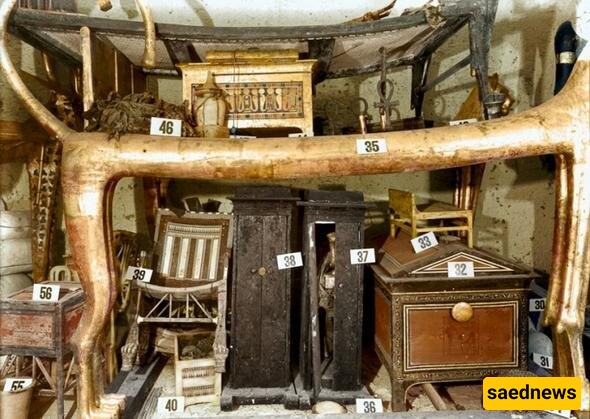
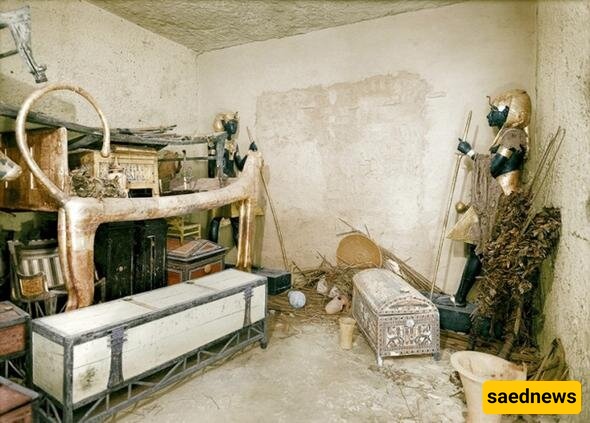
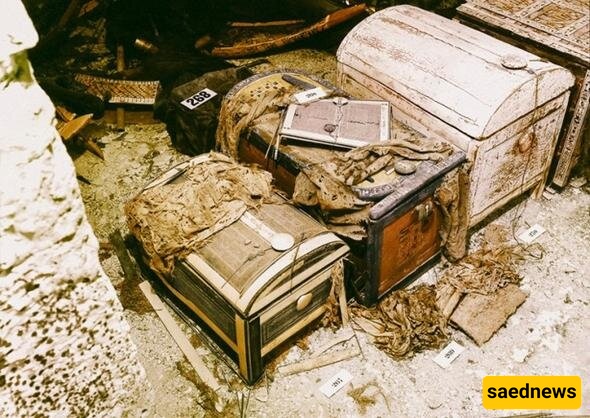
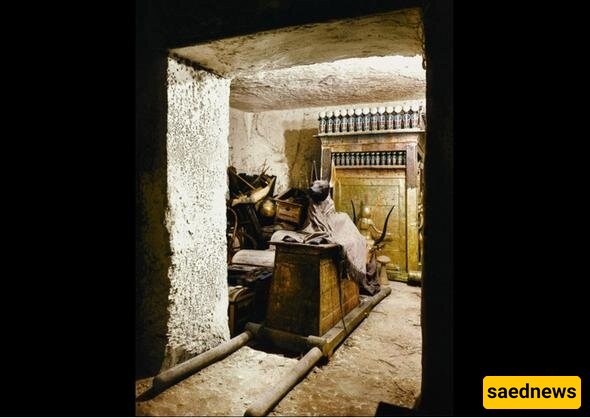
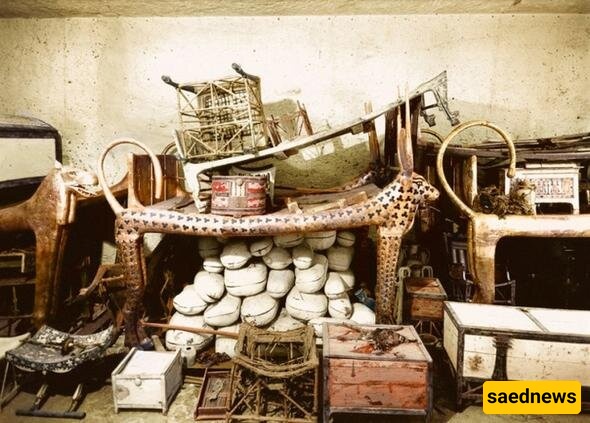
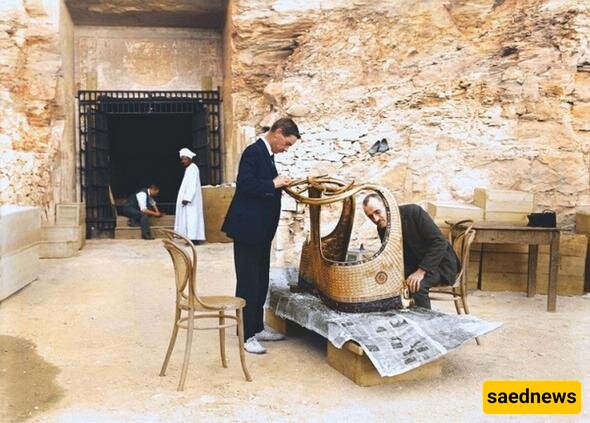
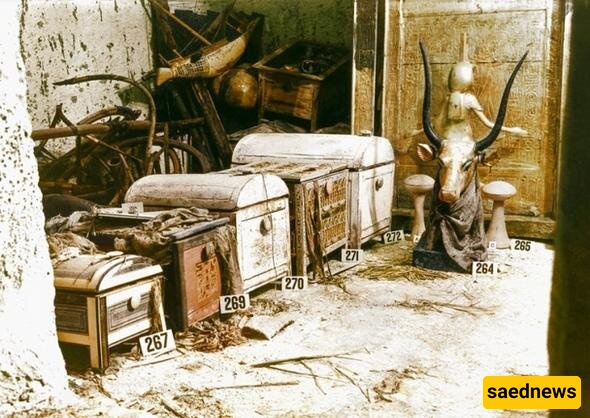
Inside, archaeologists found an astonishing collection of artifacts exactly as they had been left more than three millennia earlier. These included the king's golden throne, benches, chairs, chariots, stone vessels filled with food, chests containing fine linen garments, and a beautifully crafted ostrich-feather fan. Carter later recalled that even the air inside the tomb seemed to preserve the scent of the ancient world, making him feel as though he had received a message directly from people who had lived over 3,000 years ago.
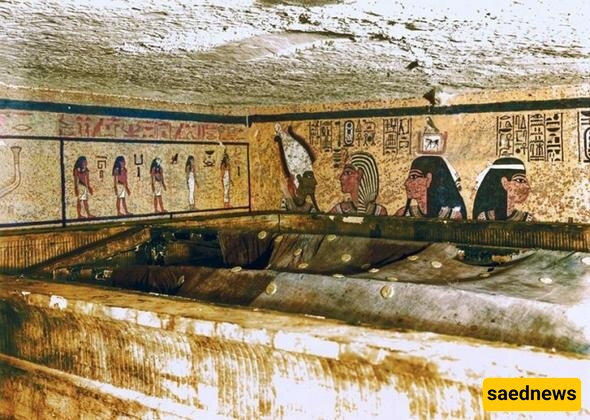
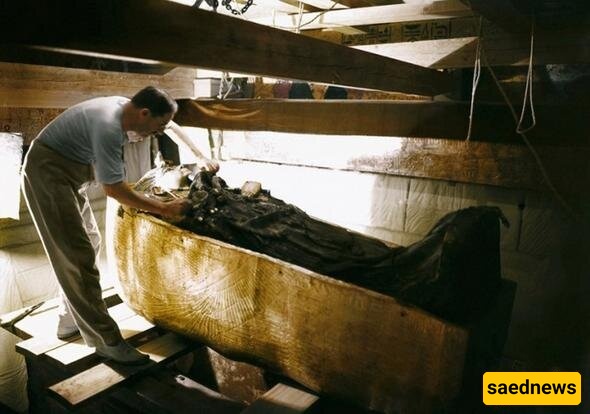
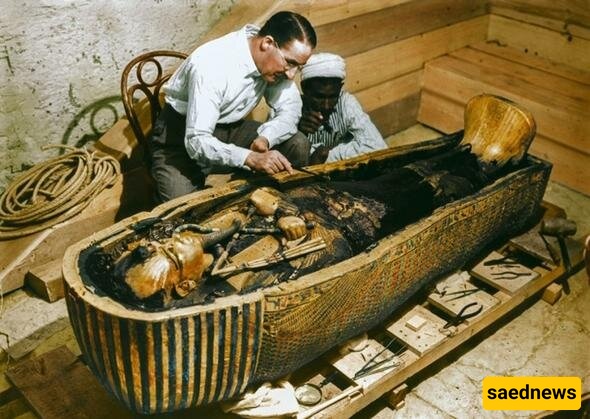
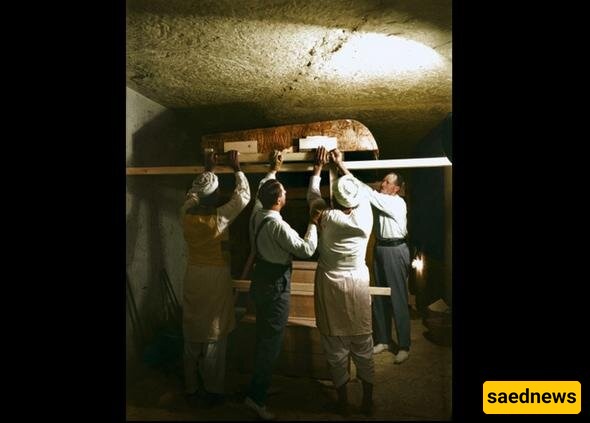
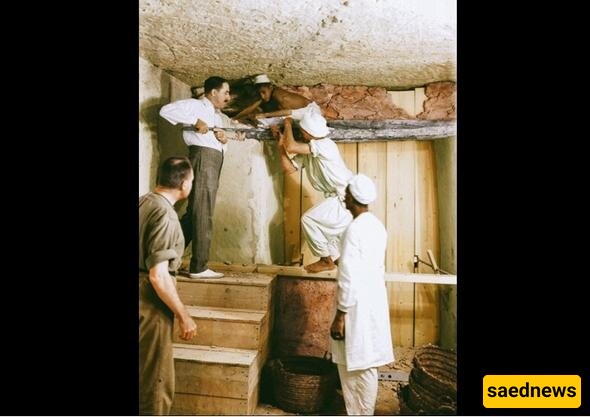
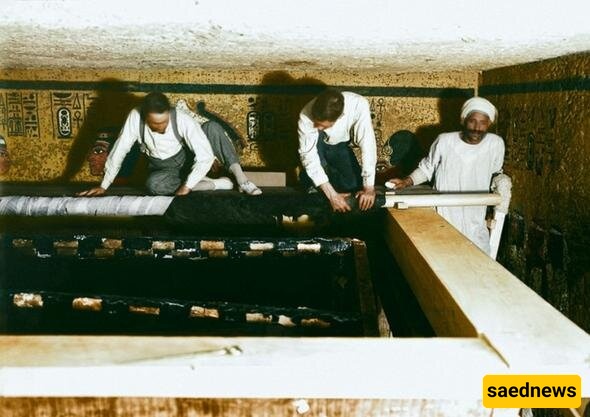
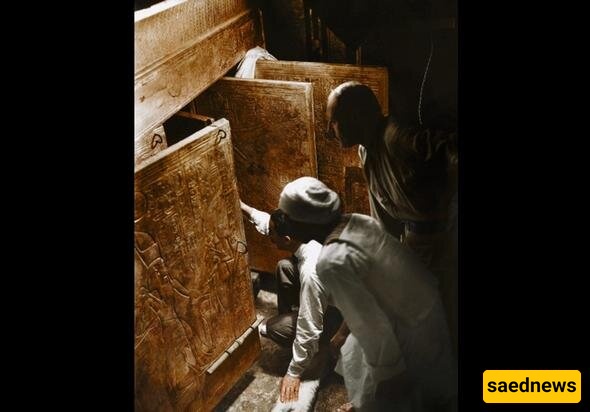
In another chamber, the expedition discovered a large gilded shrine containing three nested coffins. The innermost coffin was made of solid gold and perfectly preserved the mummy of the young pharaoh.
When the lid of the final coffin was lifted, Carter came face to face with Tutankhamun's famous golden funerary mask. Resting on top of it was a delicate floral wreath, believed to have been placed there by the pharaoh's young widow, Ankhesenamun. Carter later reflected that, despite all the royal splendor surrounding him, nothing was more moving than that simple wreath. To him, it was a reminder that even 3,300 years could seem like only a brief moment in the passage of time.
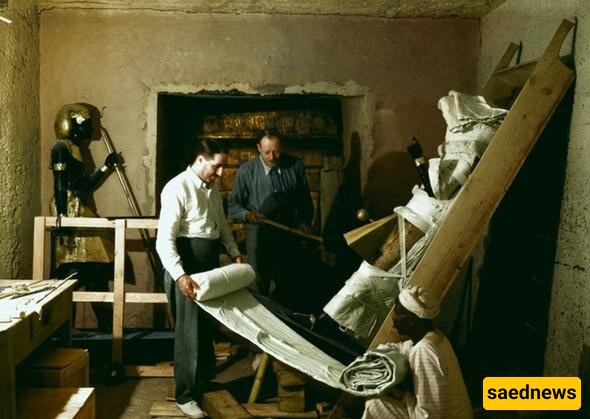
The excavation team also included photographer Harry Burton, whose remarkable images documented every stage of the discovery—from the opening of the tomb to the first photographs of Tutankhamun's golden mask and the priceless treasures within. Many of Burton's photographs remained hidden from public view until 2003, when they were officially released. More recently, on the anniversary of the discovery, these historic photographs were digitally colorized using modern imaging technology and displayed in a New York gallery, offering visitors a vivid new perspective on one of archaeology's greatest discoveries.