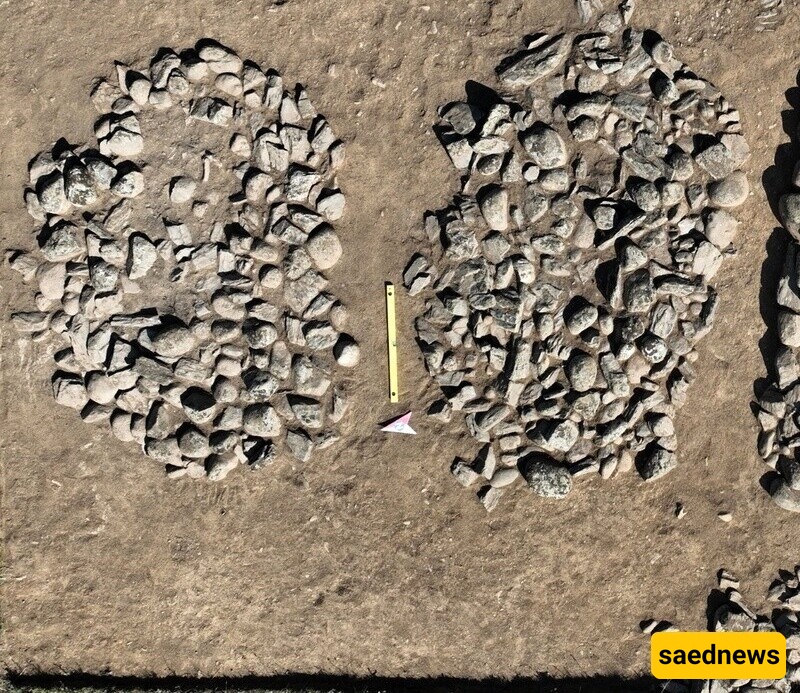
SAEDNEWS: Archaeologists from the Margulan Institute of Archaeology in Kazakhstan have uncovered 13 “pit” graves during recent excavations in an eastern region of the country.
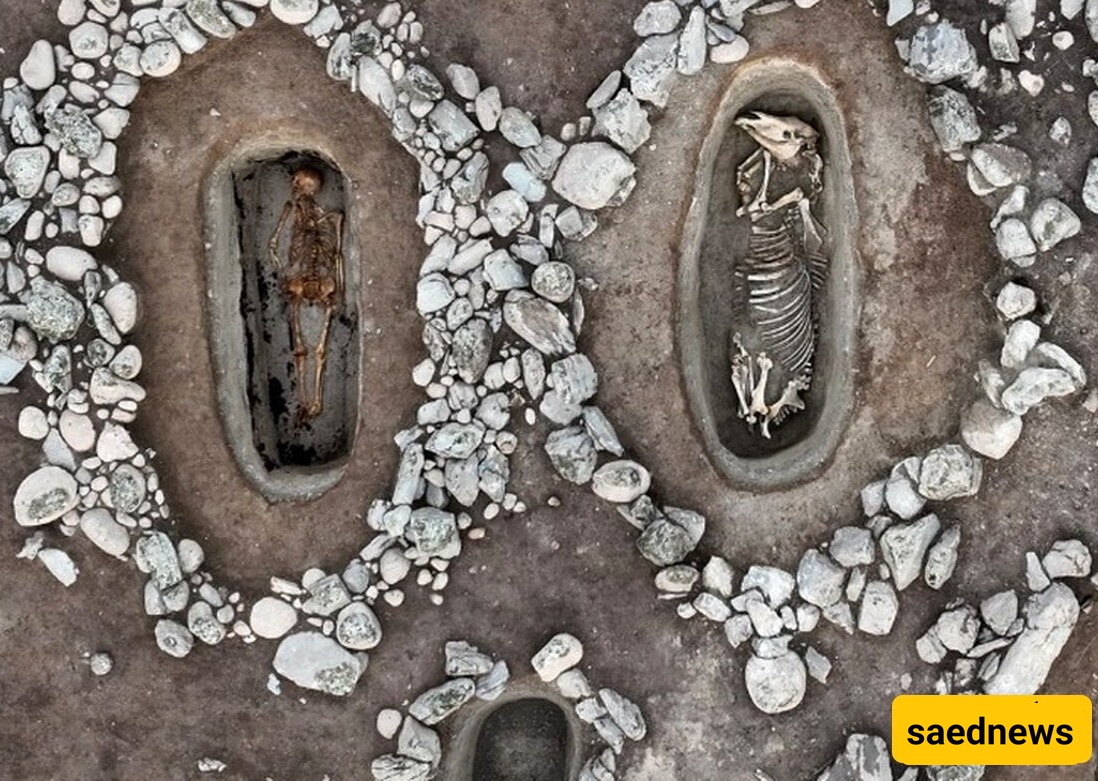
According to Saed News, citing Faridid, the discovered pit graves belong to the Sianbei people. The Sianbei were an ancient nomadic population who lived in the eastern Eurasian steppes. Their settlement areas included parts of present-day Mongolia and northeastern China.
According to the ancient book Records of the Later Han Empire, the Sianbei were a branch of the eastern “Donghu” tribes. Together with the Wuhuan and Xiongnu tribes, they carried out raids into the territory of the Han state. The Sianbei economy was primarily based on animal husbandry, with agriculture playing a secondary role.
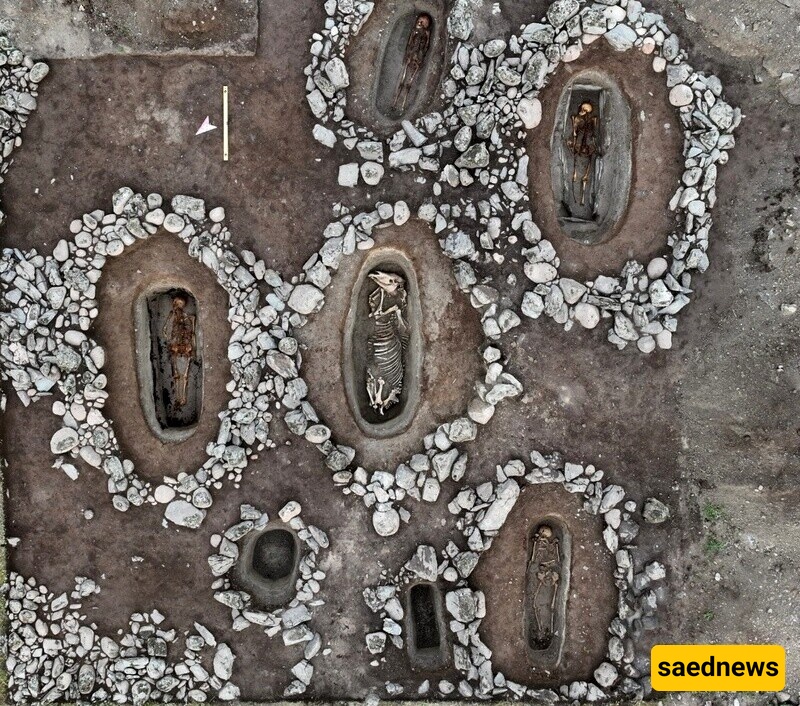
During the 2024 excavation season, archaeologists from the Margulan Archaeological Institute discovered 13 Sianbei burial sites in the Tautkeli area of the Katon-Karagay region in Kazakhstan.
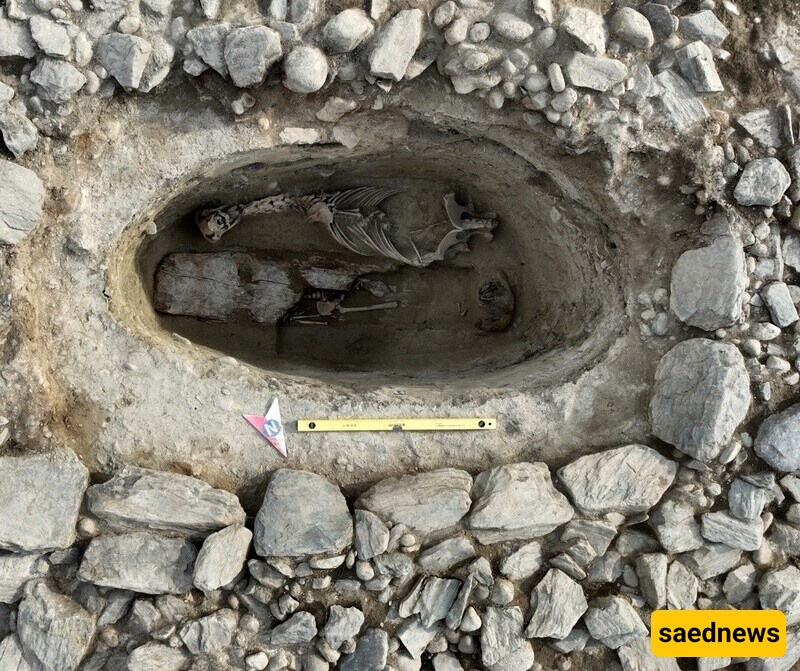
These tombs, dating back approximately two thousand years, consist of stone enclosures with a central burial pit. Each pit is about one meter deep and contains the remains of an adult individual. Some of the burials also included a horse.
Archaeologists also found funerary offerings in these graves, including ceramic fragments, shells, and beads made from semi-precious stones.
According to the Margulan Archaeological Institute: “The Sianbei played a key role in shaping and developing ethno-cultural processes in Central Asia after the fall of the Han Empire. Their influence is reflected in various aspects of cultural and political development among nomadic societies in the region, including the formation of new states, the development of military traditions, and social and economic structures.”