SAEDNEWS: Archaeologists conducting excavations in 2024 at the ancient site of Bagno Grande in Tuscany, Italy, have uncovered an extraordinary collection of Etruscan and Roman remains. The discovery includes thousands of coins alongside a significant number of bronze statues, shedding new light on the region’s ancient history and cultural wealth.
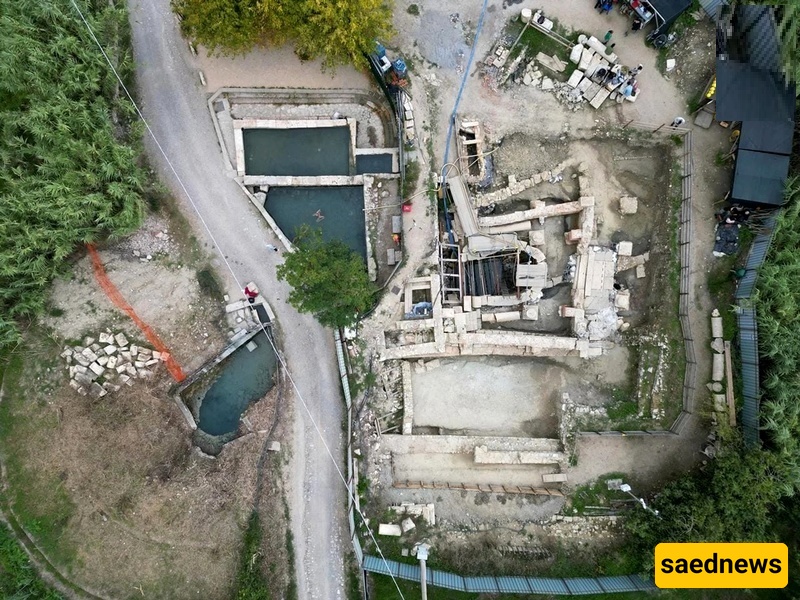
According to the Saed News History Service, this site was originally built in the 3rd century BCE by the Etruscans and was later transformed by the Romans into the famous spa complex known as Balnea Clusina. It gained widespread fame for its healing springs, and even Emperor Augustus is believed to have visited it.
Excavations carried out between June and October 2024 focused on the sacred, walled area surrounding the temple. Archaeologists uncovered the remains of a central temple alongside a thermal pool. Within this space, they discovered a remarkable collection of votive offerings and ancient artifacts, exceptionally well preserved thanks to the clay soil and thermal waters.
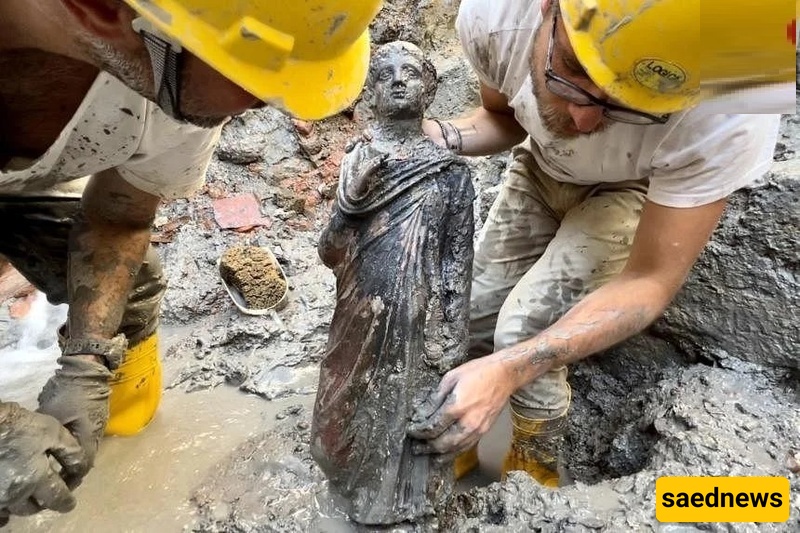
Among the most significant finds are bronze statues and busts bearing inscriptions dedicating them to the sacred springs. One of the most striking pieces is a bronze torso of a man, severed from the neck to the groin, dedicated to the thermal spring by an individual named Gaius Roscius. Researchers believe the offering may have been made in hopes of curing a specific illness.
Another notable discovery is a statue of a child dressed in priestly garments, seemingly holding a five-sided object, possibly used in divinatory rituals. Several votive busts with Latin inscriptions were also found among the artifacts.
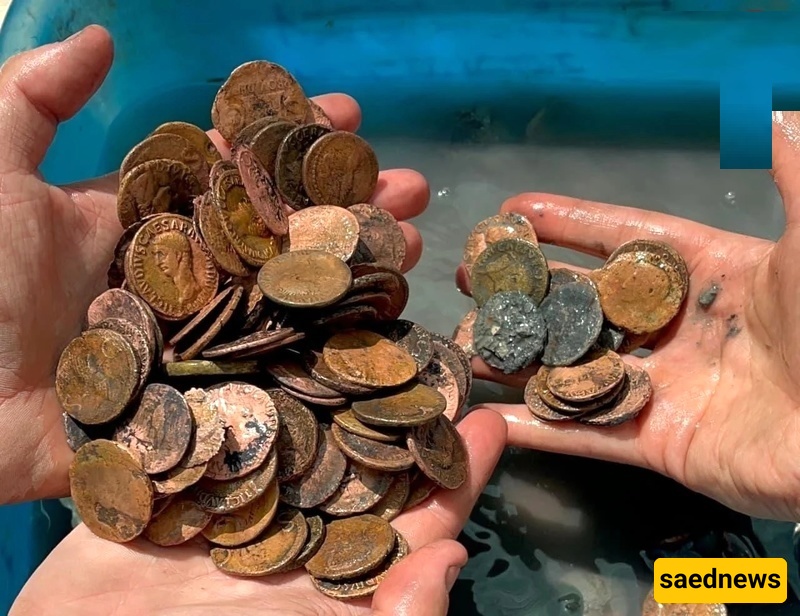
Inside the sacred pool, archaeologists uncovered a wide range of objects, including oil lamps, containers for aromatic oils, anatomical terracotta votive models, and more than 10,000 coins from the Roman Republic and Imperial periods. In addition, valuable items such as a gold crown, rings, gold coins, amber fragments, and precious stones were recovered. Remarkably, even intact eggs with preserved yolks were found, likely linked to symbolic rituals of rebirth.
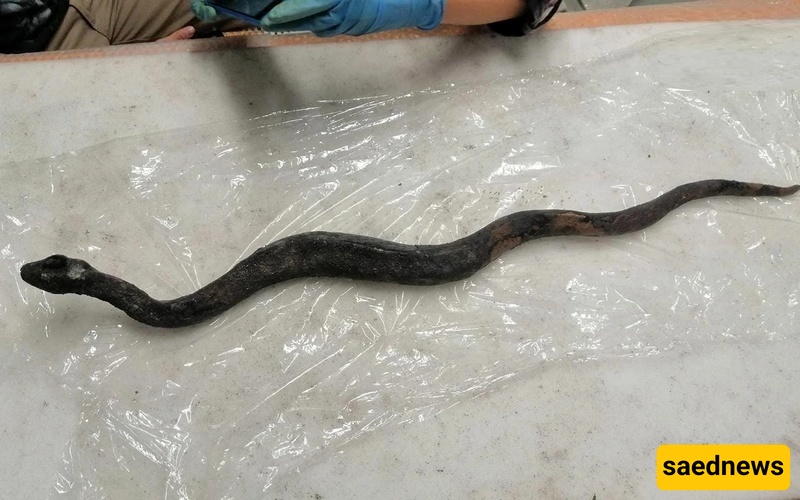
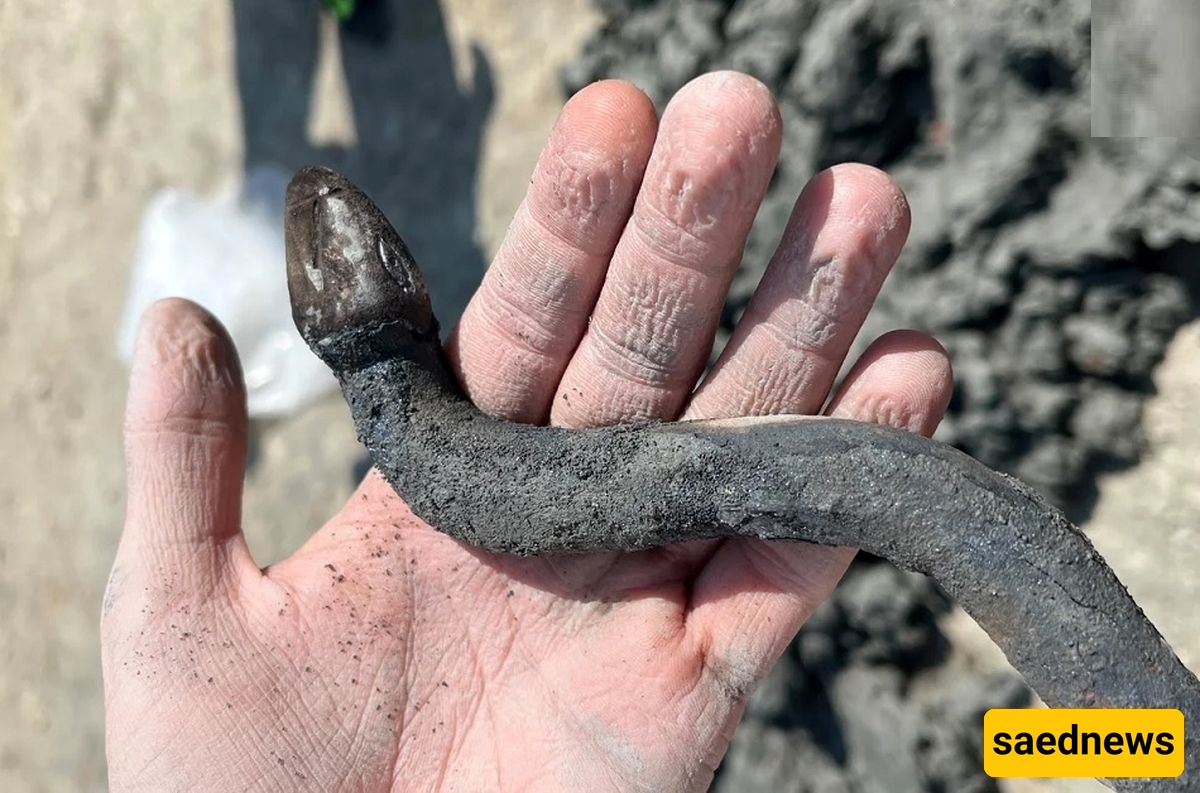
Among the decorative finds were pinecones, tree branches, and bronze snakes. One nearly one-meter-long bronze snake is thought to represent a protective spirit or Agathodaemon. These symbolic elements highlight the strong connection between nature and the healing powers attributed to the thermal waters.
A National Archaeological Museum of San Casciano dei Bagni is planned to be established within the historic episcopal palace to house and preserve these remarkable discoveries.