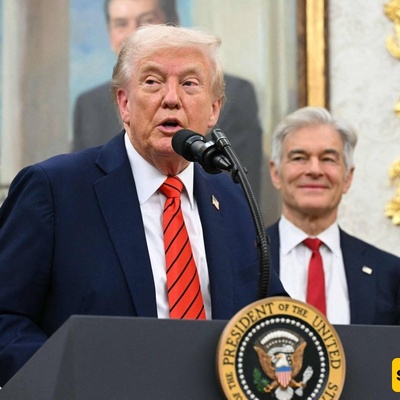
SAEDNEWS: Recent insulting remarks by some U.S. officials, including calling Iranians "terrorists" and disparaging Iran's culture, have once again raised questions about why failed pressure campaigns are often followed by rhetoric targeting an entire nation rather than political dialogue.
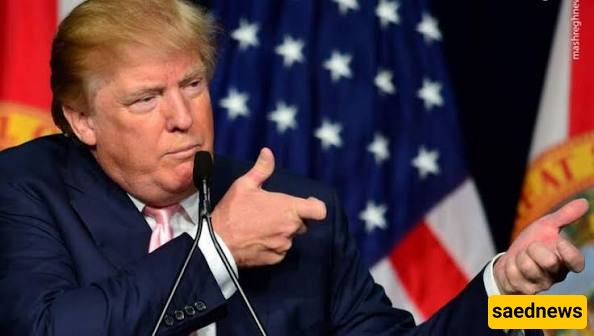
According to Saednews political report, whenever U.S. policies toward Iran have failed to achieve the White House's desired outcomes during Donald Trump's administration, some American officials—particularly the U.S. president—have responded with threats and insulting rhetoric instead of acknowledging those setbacks. The report argues that recent remarks by U.S. officials reflect the same pattern.
It points to comments by Vice President J.D. Vance, who reportedly said that if Iran's government were to collapse, "94 million terrorists" would head toward Europe and the United States. It also references statements by Donald Trump describing Iranians as "the most evil people on Earth" or as having a "primitive culture." According to the report, such language targets not only Iran's government but also the Iranian people, a nation with a history spanning thousands of years.
The article argues that these remarks tend to emerge during periods when Washington faces difficulties in advancing its objectives toward Iran.
It claims that the failure of the "maximum pressure" campaign, along with the inability to change Iran's policies through sanctions and threats, has led some American politicians to express frustration by directing offensive language at the Iranian people rather than reassessing their own strategies.
According to the report, this rhetoric reflects political frustration and emotional reaction more than confidence or strength. It argues that when pressure tactics fail to produce the desired results, insulting Iran becomes a way for some officials to vent their dissatisfaction.
The article presents the Iranian people's conduct during critical moments as evidence contradicting negative portrayals by certain U.S. politicians.
It cites the recent conflict involving Iran, stating that many Iranians living or traveling abroad—including in Turkey—chose to return to Iran despite security concerns in order to be with their families and support their country. The report says this behavior contradicts claims that Iranians would flee en masse or lack national identity. It also asserts that these actions received praise from some Turkish citizens and media outlets.
The report further notes that throughout recent decades—from the Iran-Iraq War to other national crises—observers have frequently highlighted the unity and resilience of Iranian society. It says many analysts consider this national cohesion one of the main reasons external pressure campaigns against Iran have struggled to achieve their intended goals.
The report concludes that insulting the Iranian people reflects political frustration rather than a position of strength. It argues that because Iran has continued to withstand sanctions, pressure, and threats, it has become a symbol of the failure of policies designed to force behavioral change, increasing frustration among some American politicians.
Finally, the article states that, regardless of political disagreements between governments, insulting an entire nation neither helps resolve disputes nor aligns with established diplomatic principles. It concludes that such rhetoric ultimately reveals more about the political difficulties faced by those making the remarks than about the Iranian people themselves.