SaedNews: The New York Times has reported that Washington has sent a new and revised proposal to Tehran. In this proposal, which was developed with the mediation of countries such as Pakistan, the idea of ending the war in exchange for reopening the Strait of Hormuz has been put forward.
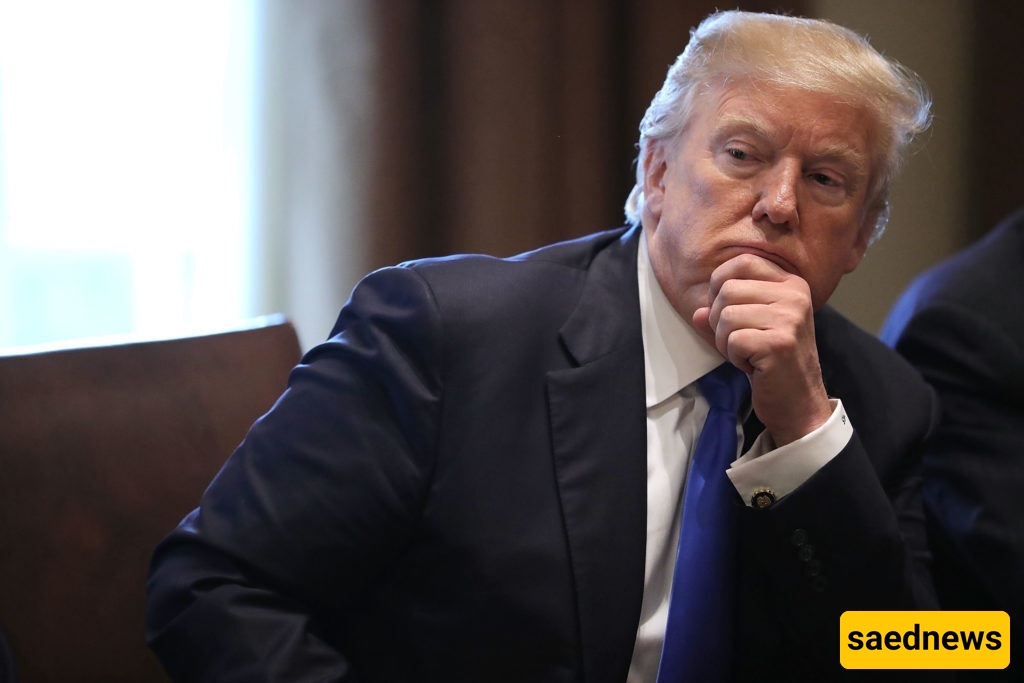
According to SAEDNEWS,citing The New York Times and statements from U.S. officials, the administration of Donald Trump has made changes and revisions to the framework of a draft understanding with Iran. This new version, finalized through the involvement and mediation of several countries, including Pakistan, has been delivered through diplomatic channels for final review by officials in Tehran.
The central focus of this revised proposal is a pragmatic and immediate agreement. Washington has reportedly proposed ending the war in exchange for reopening the Strait of Hormuz. A notable aspect of this round of diplomatic messaging is the separation of disputed issues. According to informed sources, in order to speed up the achievement of an initial agreement, the resolution of complex and time-consuming matters such as Iran’s nuclear program has been removed from the current agenda and postponed to future rounds of negotiations.
An examination of this proposed framework suggests a shift in Washington’s approach toward “step-by-step diplomacy” and the prioritization of crises. Separating maritime security issues in the Strait of Hormuz and the cessation of military conflict from more complex matters such as the nuclear program indicates that the current focus is on managing immediate tensions and preventing the expansion of regional instability.
Postponing nuclear discussions to the future reflects a pragmatic approach aimed at overcoming traditional deadlocks. The objective appears to be achieving a limited security and economic agreement first, thereby creating the conditions necessary for broader and more comprehensive negotiations later.
On the other hand, the involvement of countries such as Pakistan as mediators highlights the diversification of diplomatic channels and the geopolitical importance of such an understanding for neighboring states. The proposal to exchange “an end to the war for the reopening of the Strait of Hormuz” underscores the strategic value of this international waterway in global affairs and the international economy’s dependence on energy security.
This framework suggests that, at the present moment, halting military conflict and restoring commercial stability to the region’s critical trade routes have taken precedence over resolving the deeper strategic disagreements between the two countries.