SAEDNEWS: Ayatollah Khamenei’s Ruling on Closing the Eyes During Prayer
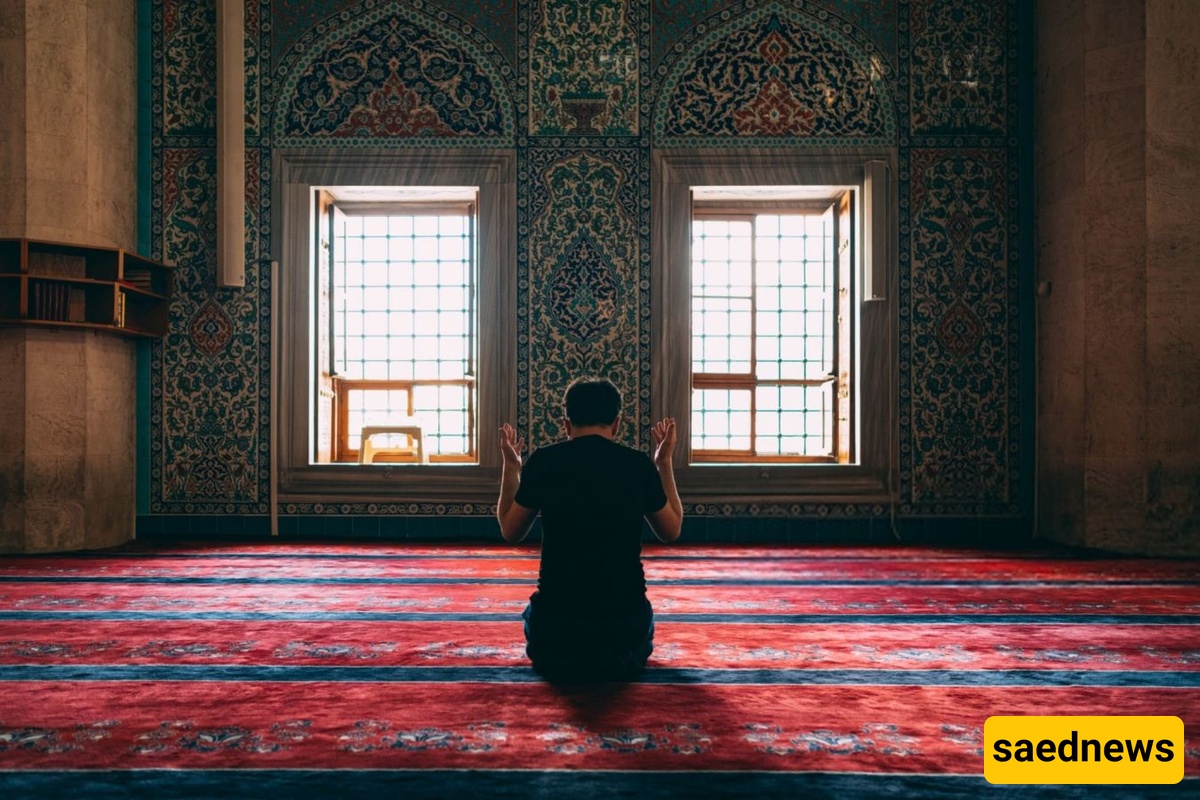
According to Saednews, Prayer is the pillar of Islam and one of the most important acts of worship for every Muslim. Among the most important factors in the acceptance of this great act of worship are attentiveness and concentration during prayer. Many worshippers close their eyes during prayer to avoid distractions and achieve greater focus. But is this permissible according to Islamic law? What is the ruling on closing one’s eyes during prayer?
Ayatollah Sayyid Ali Khamenei, the Supreme Leader of the Islamic Republic of Iran, has expressed his jurisprudential view on this matter in response to a religious inquiry. This article examines the ruling, explains the concept of karāhah (reprehensibility), discusses the views of other religious authorities, and considers practical ways to improve concentration during prayer.
According to the Iranian news agency Hawzah, Ayatollah Khamenei responded to an inquiry concerning “closing the eyes during prayer” as follows:
Question: Is there any problem with closing the eyes in order to concentrate during prayer?
Answer: Closing the eyes during prayer is not religiously prohibited, although it is considered makruh (discouraged) when not in the bowing position (rukūʿ).
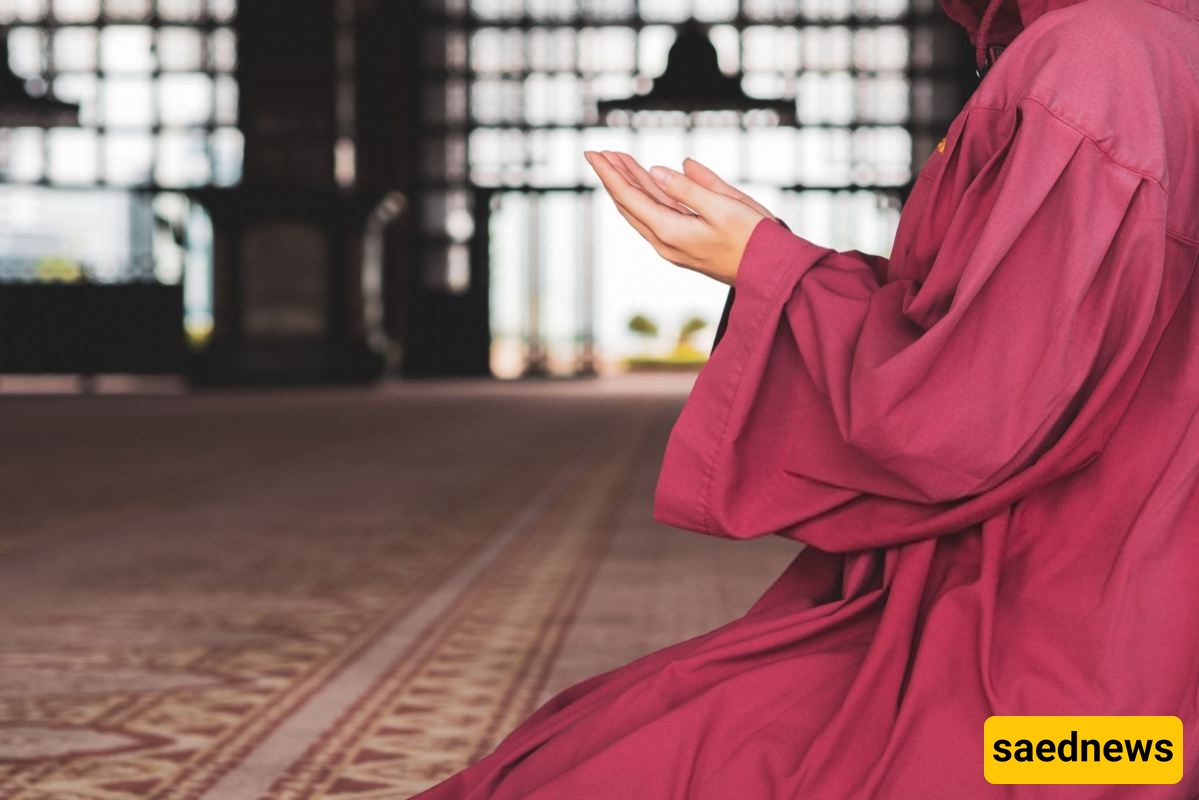
Although brief, this response contains several important points of Islamic jurisprudence.
According to Ayatollah Khamenei’s ruling, closing the eyes during rukūʿ is not considered makruh. This distinction can be understood in light of the recommended manner of looking during rukūʿ. Since the worshipper lowers the head during this position, closing the eyes does not conflict with the recommended direction of the gaze.
During other parts of prayer, such as standing (qiyām), supplication (qunūt), tashahhud, and prostration (sujūd), closing the eyes is considered makruh.
Several reasons are traditionally associated with this view:
The Prophetic practice: According to narrations, the Prophet Muhammad did not close his eyes during prayer and would look toward the place of prostration.
Greater attentiveness: Looking toward the place of prostration can itself help promote concentration and humility during prayer.
Avoiding resemblance to certain religious practices: In some religious traditions and sects, closing the eyes has particular symbolic associations.
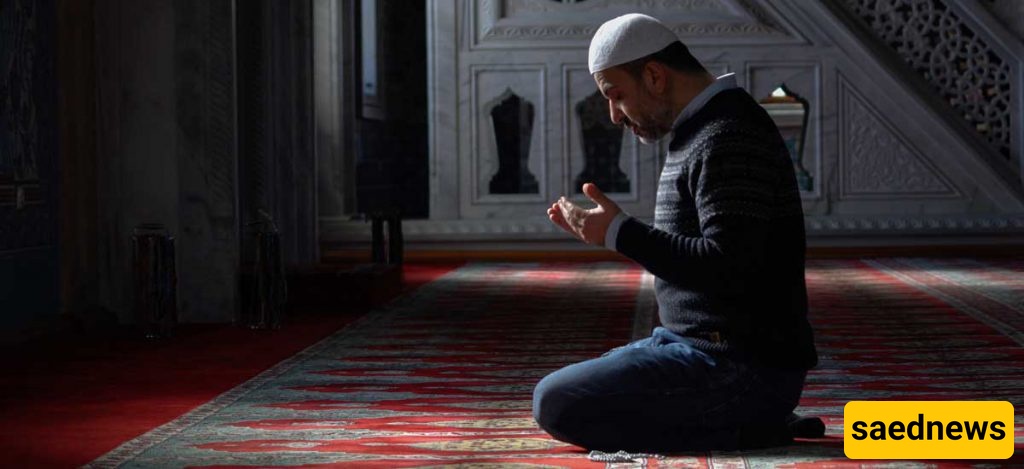
An important point for every Muslim to keep in mind is that the ruling on closing the eyes during prayer is not necessarily identical according to all religious authorities. Some prominent jurists also consider it makruh, although their detailed rulings may differ.
For example:
Some authorities consider closing the eyes makruh throughout the prayer except during rukūʿ.
Others describe the discouragement more generally and without making this distinction.
In certain circumstances, if closing the eyes genuinely helps a person achieve greater attentiveness and concentration, the degree of discouragement may be viewed differently.
Therefore, each person should follow the ruling of their own religious authority (marjaʿ al-taqlīd).
The ruling indicates that closing the eyes during prayer is not prohibited. Rather, according to Ayatollah Khamenei, it is makruh outside rukūʿ. Consequently, a person who closes their eyes for the purpose of improving concentration is not committing a forbidden act.
At the same time, worshippers who can achieve greater attentiveness while keeping their eyes open may find it preferable to follow the recommended manner of looking during prayer.