SAEDNEWS: Using high heat unnecessarily can damage cookware over time, especially when it causes repeated thermal stress or damages the cooking surface.
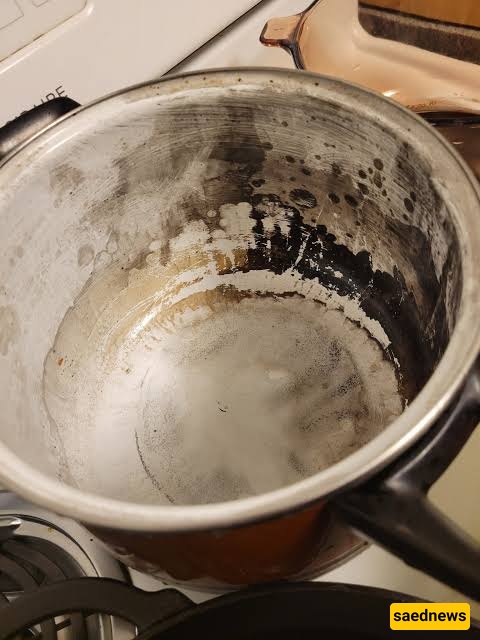
According to SAEDNEWS, one common mistake that can shorten the life of a pot is using excessively high heat when it is not needed. Constant exposure to intense heat can place stress on the metal and, depending on the type of cookware, may lead to discoloration, warping, deterioration of coatings, or damage to handles and other components.
A pot does not necessarily cook food better simply because the burner is set to its highest setting. Once the cookware has reached the required temperature, additional heat can make temperature control more difficult and increase the risk of scorching food. Repeated heating to very high temperatures can also contribute to gradual wear.
The effect depends on the material. Stainless-steel pots can tolerate substantial heat, but severe or uneven heating may still cause discoloration or warping. Nonstick cookware generally requires more careful temperature control because excessive heat can deteriorate its coating.
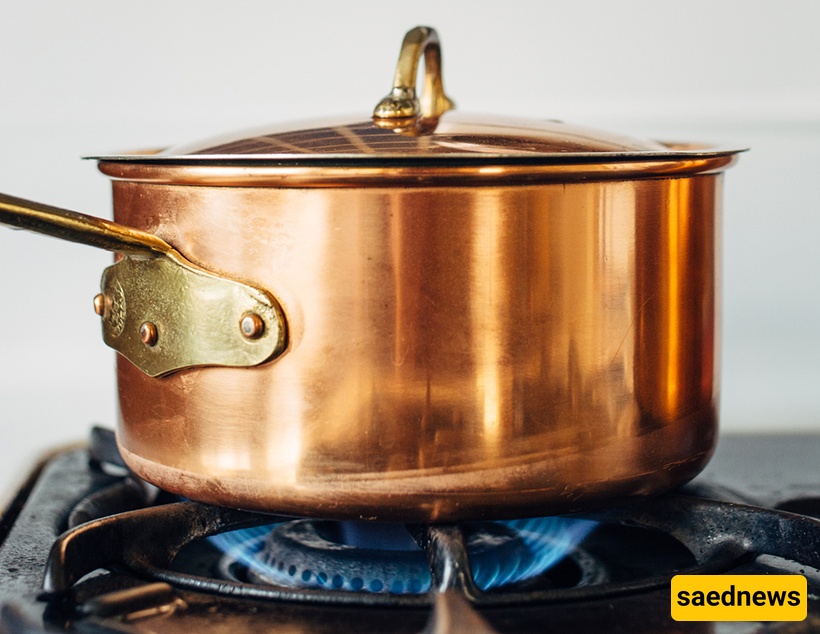
Pouring cold water into a very hot pot is another practice worth avoiding. A rapid temperature change can create thermal stress, particularly in cookware made from materials that respond quickly to temperature differences. Over time, repeated thermal shocks may contribute to distortion or other damage.
A safer routine is simple:
Allow the pot to cool for a reasonable period.
Use warm or room-temperature water for cleaning when appropriate.
Avoid placing extremely hot cookware directly on a cold or wet surface.
Follow the manufacturer's instructions for the specific type of pot.
Using moderate heat when possible is one of the simplest ways to reduce unnecessary stress on cookware. High heat may be useful when bringing water to a boil or for certain cooking techniques, but once the desired temperature is reached, lowering the heat can provide better control.
Proper utensils and cleaning methods also matter. Avoiding harsh cleaning practices and using tools suitable for the cookware's surface can help prevent unnecessary wear. With appropriate heat and handling, a good-quality pot can remain functional for much longer.