SAEDNEWS: Salammbol leather is a type of leather in which the hair and wool are removed before the hide is preserved using acid and salt. It is mainly used for long-term storage and preservation. In this article, we will introduce you to Salammbol leather, its characteristics, and its applications.
According to Saednews, Salambor refers to hides or skins from which the hair or wool has been removed and which have been preserved using acid and salt. Salambor processing is used to preserve hides for extended periods and also serves as a preparation stage for chrome tanning. In English, Salambor is commonly referred to as pickle or pickled skin. Pickling refers to treating the hide with acid and salt after the hair has been removed.
In international customs classification, Salambor is identified under HS Code 4102.
When an animal hide has been separated from the animal and has not yet undergone any processing, it is referred to as a raw hide. Several processing stages are required to transform raw hide into leather.
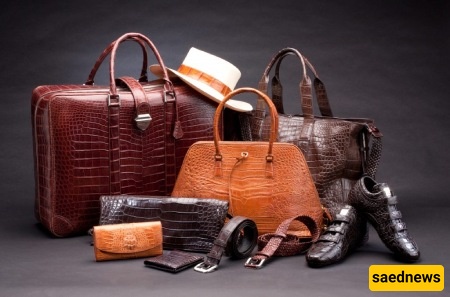
Leather is widely used in various industries, including coats, bags, shoes, clothing, and other products.
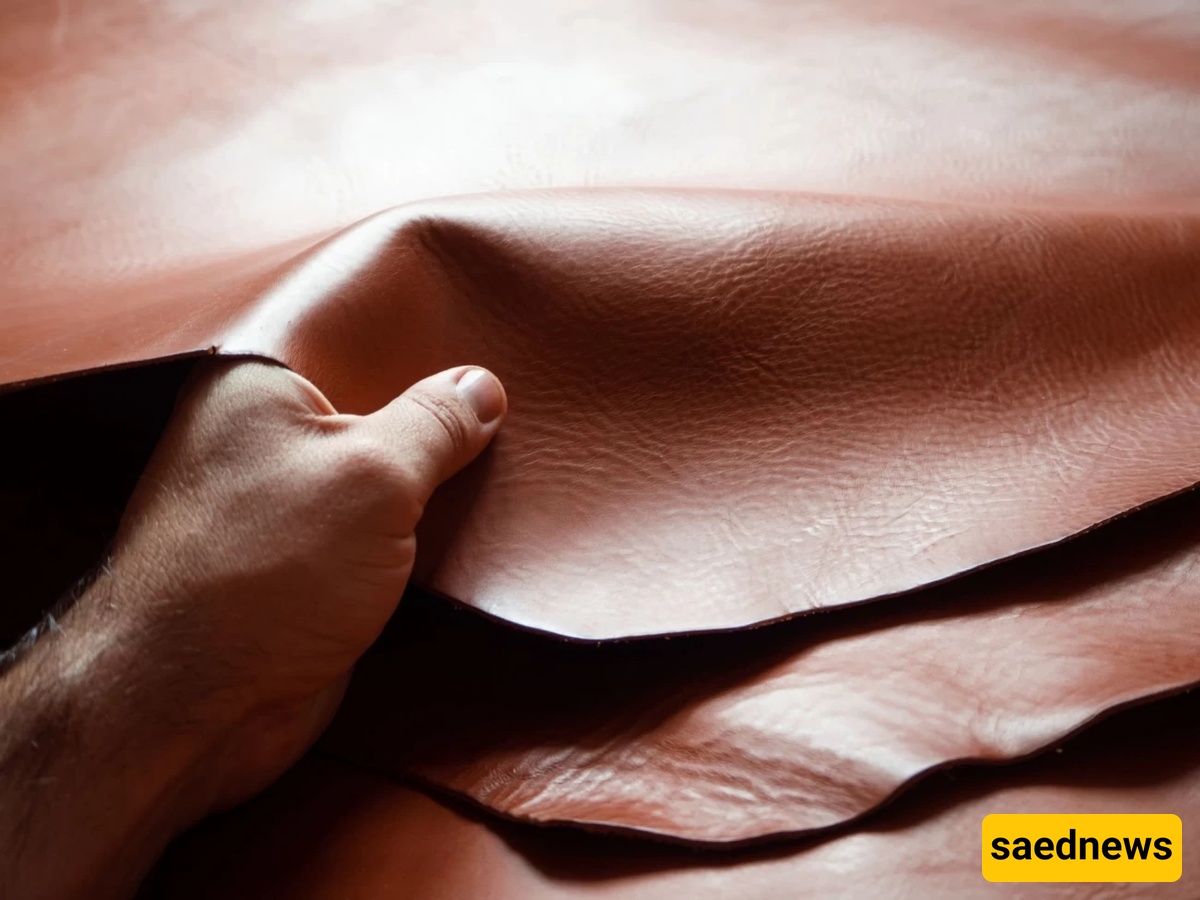
The general transformation of hides into leather can be summarized as follows:
Raw hide → Salambor → Wet blue → Crust → Finished leather
The main stages involved in leather production are preparation, tanning, and crusting.
The production of Salambor can be divided into several stages, including preservation, washing, liming, dehairing, fleshing, trimming, reliming, deliming, degreasing, and bleaching.
During these processes, chemical treatments alter the original structure of the hide. These treatments help prevent the hide from decomposing and allow it to remain stable for longer periods.
After the hair or wool has been removed and the hide has been thoroughly cleaned, it is treated with salt and acid for preservation. At this stage, the processed hide is known as Salambor or pickled hide. This treatment allows the hide to be stored and transported for extended periods without significant deterioration.
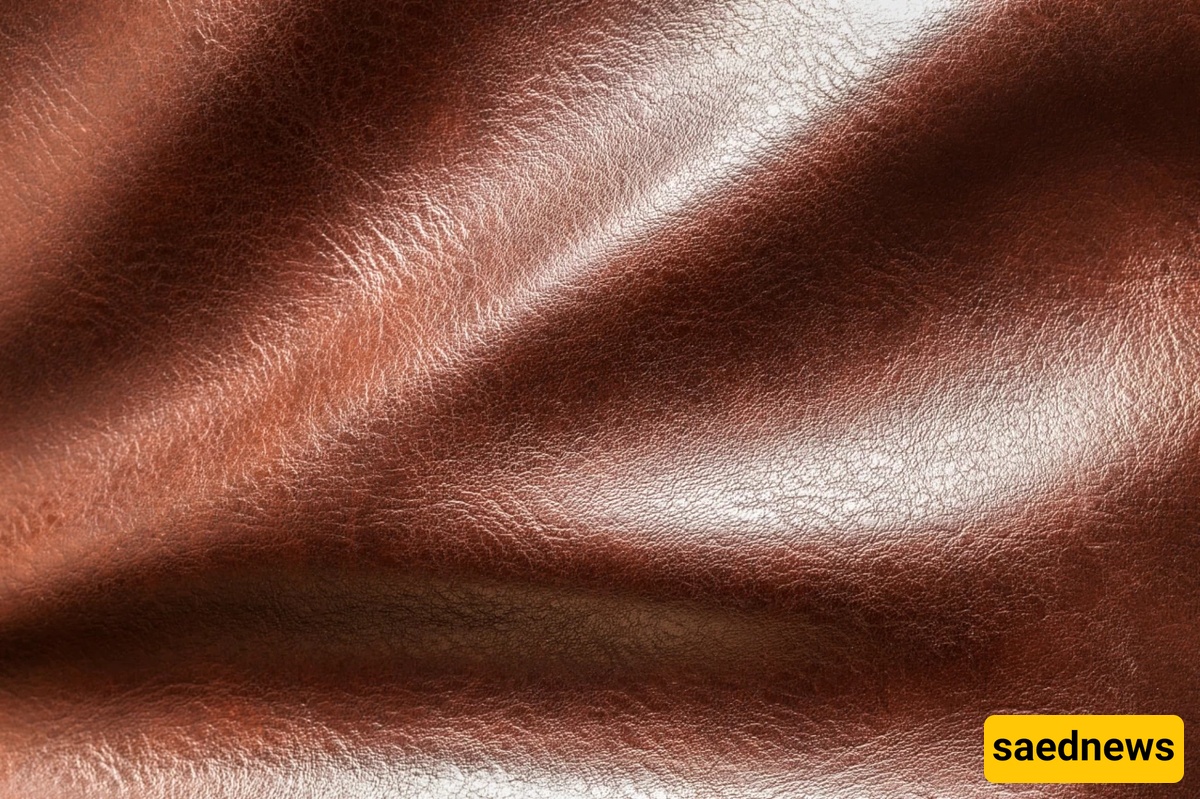
Interest in leather and Salambor has increased in recent years, contributing to the growth of the market. Leather is valued for its durability, flexibility, and quality.
Australia is one of the major producers and exporters of sheep and other hides used in leather production. Iran is also an important supplier of Salambor to neighboring countries, including Turkey, where Iranian Salambor is traded at relatively high prices.
Iranian sheep hides are particularly valued because of the characteristics of the local sheep breeds and their high-quality wool and fat-tail characteristics. One notable feature of Iranian sheep Salambor is its high quality. Leather produced from these hides can have a soft and supple feel, making it suitable for manufacturing garments and other leather products.
Sheep Salambor is also among the products that may be exported in raw or semi-processed form. Its international trade is commonly carried out in bulk quantities.
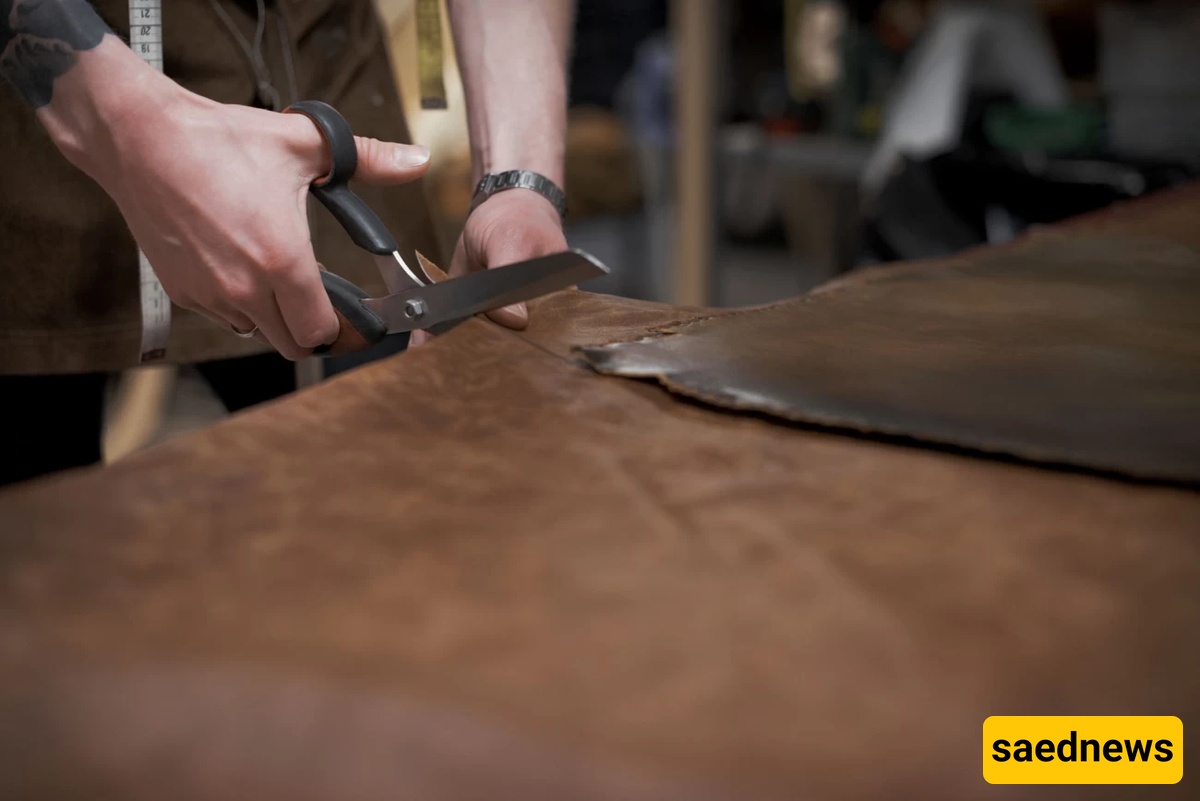
Specialized training centers and leather-processing institutes may provide instruction on the production and processing of Salambor. Many leather manufacturers use Salambor as an intermediate material in their production processes.
Common types include:
Lightweight Salambor
Lightweight goat Salambor
Lightweight sheep Salambor
Heavyweight Salambor
Cattle Salambor
Camel Salambor
Salambor plays an important role in the leather supply chain because it provides a practical way to preserve animal hides between the initial processing stage and subsequent tanning operations. Once properly pickled, hides can be stored and transported before being converted into wet blue, crust, and eventually finished leather.
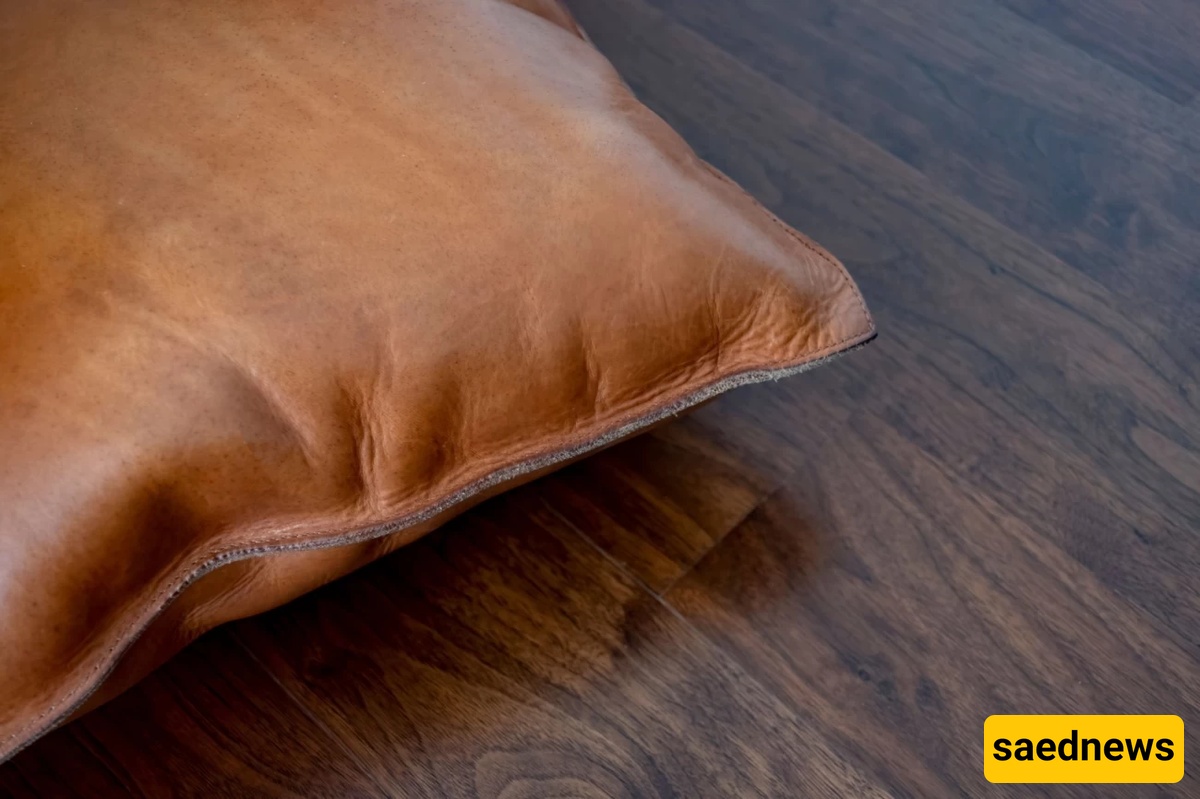
The quality and characteristics of the final leather depend on several factors, including the animal species, hide quality, preservation method, processing conditions, and subsequent tanning and finishing techniques.