SAEDNEWS: The familiar moment of closing your eyes, making a wish, and blowing out birthday candles carries a history that stretches from ancient rituals to modern celebrations.

According to SaedNews, Every year, millions of people gather around a birthday cake, sing a familiar song, and wait for one symbolic moment: the birthday person takes a breath, makes a silent wish, and blows out the candles.
Today, the ritual feels almost automatic. Yet the simple act of extinguishing flames on a cake is the result of centuries of changing beliefs about celebration, luck, protection, and the meaning of life milestones.
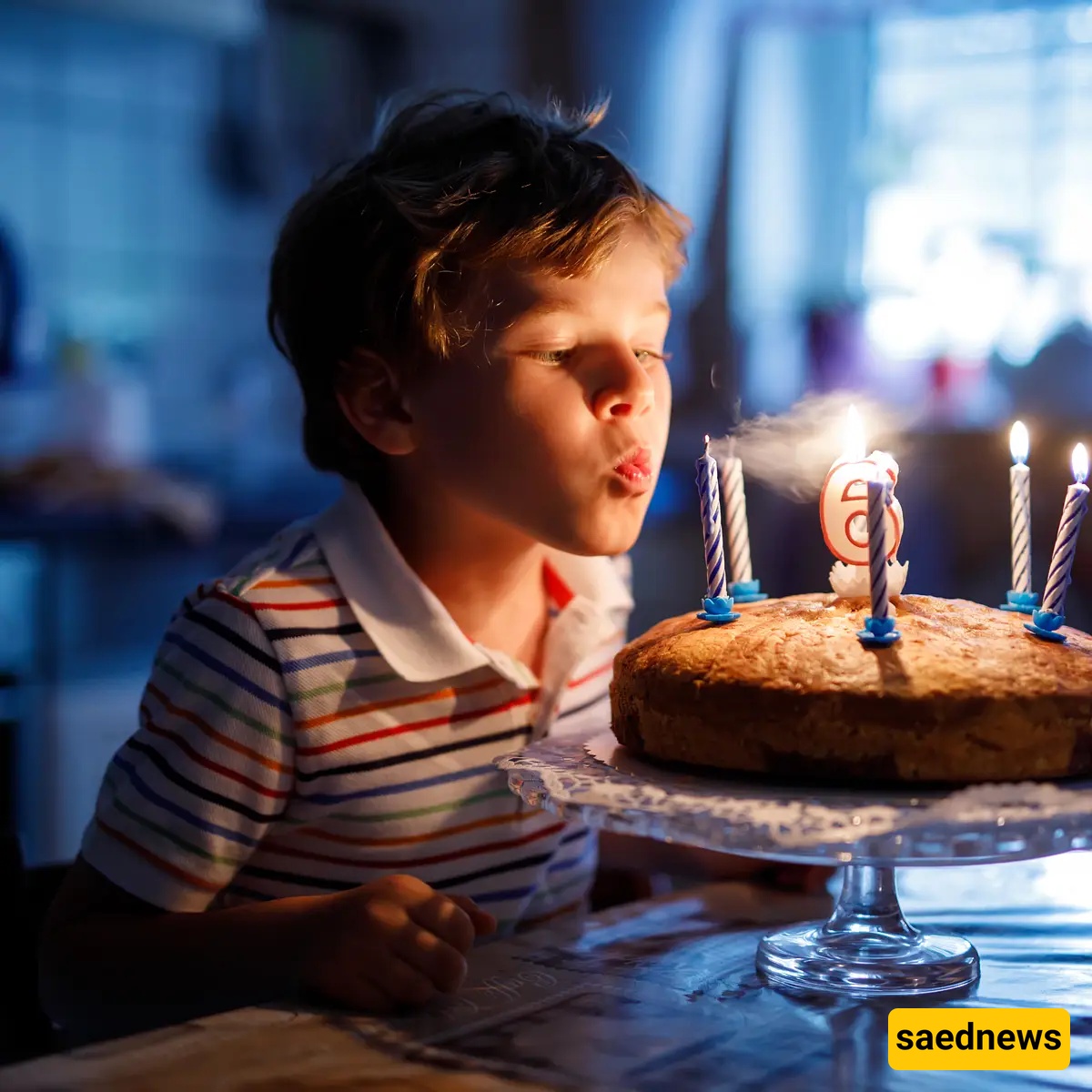
The idea that a candle flame can carry a hope or prayer is much older than modern birthday parties. Ancient cultures often viewed fire as a bridge between humans and the spiritual world. In ancient Greek traditions, historians have linked candle-lit offerings and cakes dedicated to Artemis, the goddess associated with the moon, to some early ideas that resemble later birthday candle customs. However, researchers note that the exact origin of the modern birthday candle tradition is difficult to prove and developed through several different traditions over time.
The symbolic role of smoke was also important in many traditions. Some beliefs held that smoke could carry prayers or wishes upward, helping explain why later customs connected blowing out candles with making a wish.
Although ancient traditions may have influenced the symbolism of candles, the birthday ceremony familiar today became more recognizable in 18th-century Germany.
During celebrations known as “Kinderfest,” children’s birthdays were marked with cakes decorated with candles representing their age. Some traditions included an additional candle symbolizing hope or the coming year. The practice of making a wish before extinguishing the candles became connected with these celebrations.
A famous early record of a large candle-covered birthday cake comes from 18th-century German celebrations, showing how candles had become part of personal birthday events rather than only religious or ceremonial occasions.
The one-breath challenge added an element of mystery and excitement to the tradition.
Many people grew up hearing that a wish would come true if all the candles were extinguished with a single breath and that the wish should remain secret. This belief became part of birthday folklore rather than a proven rule, but it gave the ritual a sense of personal magic and participation.
The challenge also transformed a quiet symbolic act into a public moment. Friends and family watch the person celebrate another year of life while hoping the candles disappear in one attempt.
Birthday candles spread internationally through migration, cultural exchange, entertainment, and commercial birthday traditions.
By the 19th and 20th centuries, birthday cakes with candles became increasingly common in Europe and North America. Mass-produced candles, greeting cards, birthday songs, and popular media helped turn the custom into one of the most recognizable birthday rituals worldwide.
Different cultures still celebrate birthdays in different ways, but the candle moment has become a shared symbol of hope, renewal, and looking forward to another year.
The reason people blow out birthday candles is not simply because it looks festive. The tradition combines old ideas about fire, wishes, protection, and the celebration of life.
A few seconds of darkness after the candles disappear represent something larger: a person pausing to imagine the future before beginning another year.
That is why the ritual has survived for generations. It is not only about a cake or a party — it is about hope placed into a small flame.