SAEDNEWS: Marriage is a cherished tradition found in every culture. While it is a beautiful life event, some regions celebrate it with unusual customs that make their wedding traditions truly unique.
According to Saednews, Marriage ceremonies around the world reflect the history, beliefs, and values of different societies. From symbolic clothing and traditional rituals to unusual customs passed down through generations, wedding traditions reveal how various cultures celebrate love, commitment, and family bonds.
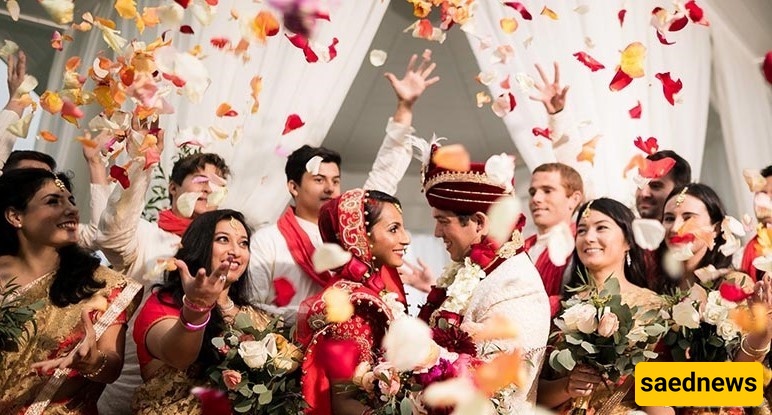
India is one of the first countries that comes to mind when exploring unique wedding traditions. Indian weddings are famous for their grandeur, colorful celebrations, and elaborate ceremonies. Traditionally, weddings may last for three days, with different rituals held throughout the celebration.
In many Indian communities, the bride and groom do not personally choose their wedding date. Instead, astrologers select an auspicious day and time based on zodiac signs, planets, and birth details, as it is believed that the right timing can bring happiness and a successful married life.
A traditional Indian bride usually wears a red sari decorated with bright colors and beautiful golden embroidery. The color red symbolizes commitment, spirituality, and fertility in Indian culture.
One important pre-wedding ritual is the Haldi ceremony. Before the wedding day, both families gather and apply a mixture of water, oil, and turmeric to the bride and groom’s skin, faces, and clothing. This ritual is believed to bring blessings, good fortune, and happiness to the couple.
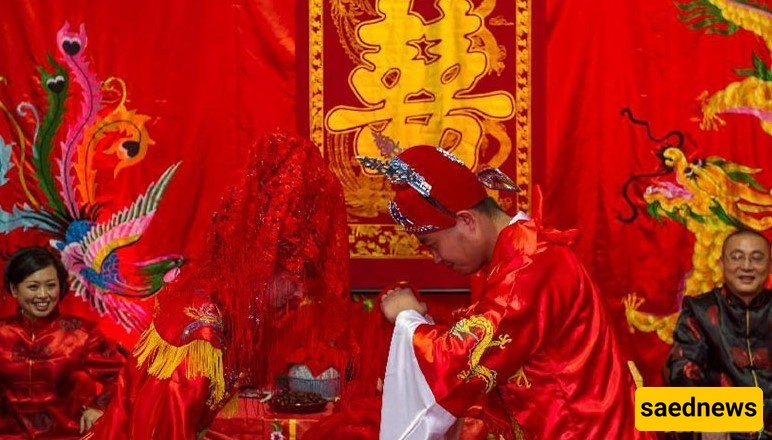
Chinese wedding traditions also include several symbolic customs. Traditionally, a bride leaves her family home accompanied by older, experienced women. The presence of young unmarried women in the bridal procession is sometimes considered unlucky.
A traditional belief says that the bride should cry when leaving her parents’ home to show that she is emotionally attached to her family and does not want to leave them.
Before the official wedding ceremony, Chinese brides and grooms may exchange small red handkerchiefs decorated with images of mandarin ducks. These ducks symbolize love, loyalty, and the hope that the couple will remain together forever.
Korean wedding customs include strong elements of respect and family tradition. In some traditional beliefs, women were expected to remain quiet and follow their husbands’ decisions after marriage. Because of this old custom, brides were traditionally expected to stay silent on the first day of married life.
After a Western-style wedding ceremony, Korean couples often wear traditional Korean clothing and show respect to the elders of both families.
During traditional ceremonies, the couple may share three spoonfuls of rice, symbolizing that they will share their lives together. Ducks and geese are also included as symbols of honesty and faithfulness.
The newly married couple bows to their parents, who then give them nuts and dates. These foods symbolize fertility, children, and future happiness.
Some Korean beliefs suggest that if the groom laughs too much during the ceremony, the couple’s first child will be a daughter, while if the bride picks up nuts, she will have many sons. In some traditions, nuts and plums are also scattered over the bride.
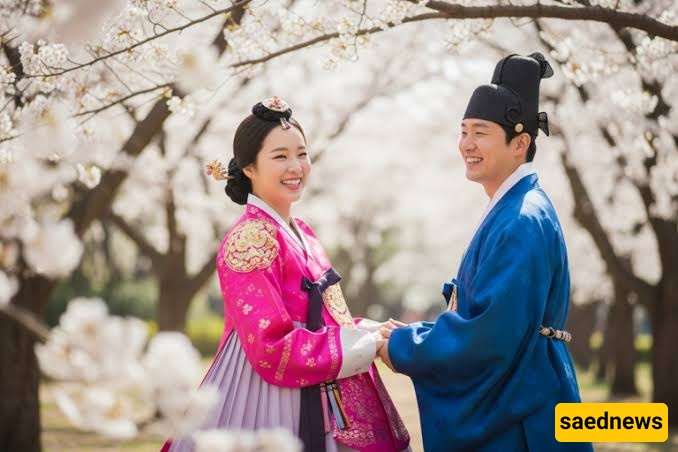
Thailand’s wedding customs are influenced by the traditions of India, China, Cambodia, and other Southeast Asian cultures.
In traditional Thai society, completing education is considered important before marriage. After finishing their studies, individuals who wish to marry usually introduce their partner to their family. If both families agree, the marriage process can begin.
The groom traditionally gives money to the bride’s parents as a gesture of gratitude for raising their daughter. This payment is known as a bride price.
Pink is considered a traditional wedding color for brides, while grooms often wear European-style suits or traditional jackets with wide collars.
In rural areas, newly married couples often live with the groom’s family, and several generations may share the same home. The oldest man is usually considered the head of the family, and younger members are expected to respect elders.
Families often have two or three children, and everyone may work together on the family farm. The youngest daughter traditionally inherits the parents’ home and, in return, takes responsibility for caring for them in their old age.
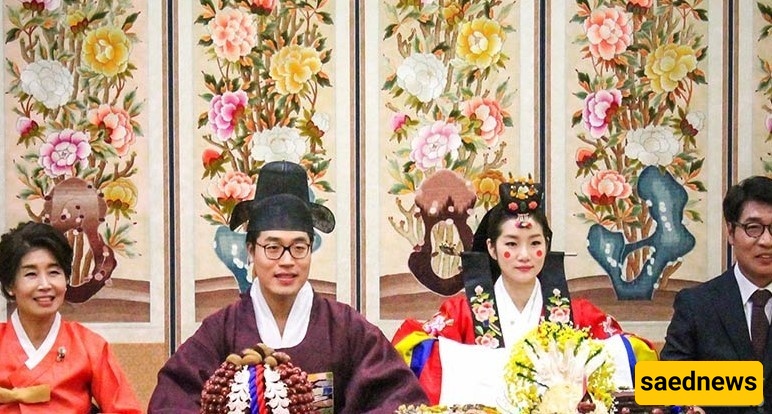
German wedding traditions include a unique custom known as Polterabend, where friends and relatives break large numbers of plates and dishes before the wedding.
The bride and groom must clean up the broken pieces together. This tradition symbolizes teamwork and preparing the couple to overcome difficulties in married life.
After the ritual, guests are usually welcomed at the bride’s home. During German weddings, some guests carry bread and salt in their pockets as a wish for prosperity and happiness.
In some regions, friends may “kidnap” the bride, and the groom must find her and bring her back to the wedding celebration.
In northern Germany, a person who delivers wedding invitations may be invited into homes and welcomed with food and drinks. Another traditional activity involves sawing through a tree trunk together, which is believed to test the couple’s cooperation and physical ability.
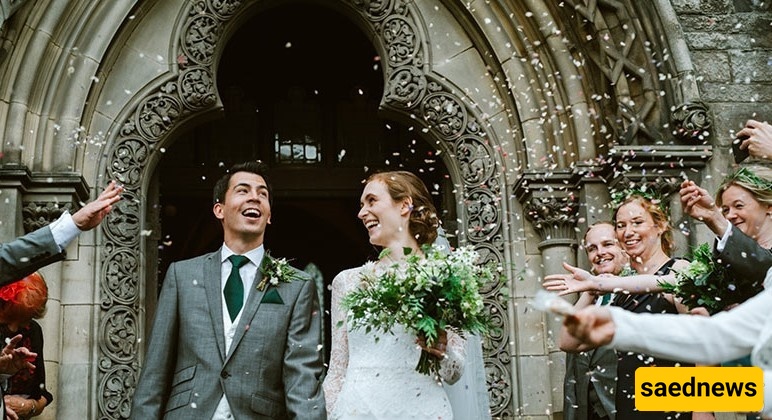
Swedish weddings have their own special customs. A traditional Swedish wedding, known as Bröllop, is often held in the afternoon. The bride and groom usually enter the ceremony together while holding hands.
Unlike many cultures, it is uncommon for the bride’s father to walk her down the aisle in Sweden because many Swedes view this tradition as representing male authority over women.
According to tradition, the first person to enter the church determines who will have the strongest influence in family decisions.
After the wedding ceremony, guests throw rice over the couple. This tradition dates back to ancient Roman times and is believed to bring fertility and protect the newlyweds from negative spirits.
An old Swedish custom involves the bride carrying coins inside her shoes. A silver coin from her father is placed in her left shoe, while a gold coin from her mother is placed in the other shoe. This symbolizes that her parents will always support her throughout life.
Swedish brides traditionally receive three rings: one for engagement, one for marriage, and a third ring to wear when they become mothers.
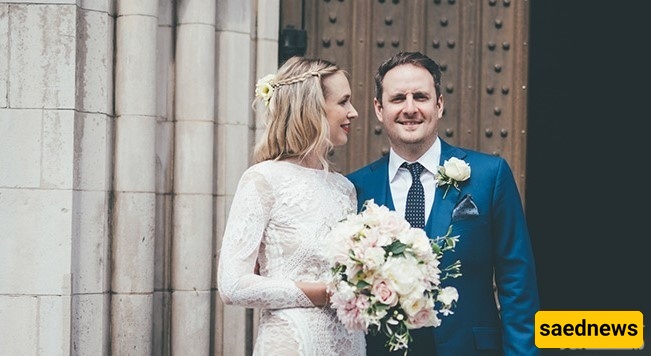
Wedding traditions vary greatly across the world, but they all share common themes: love, family, prosperity, and hope for the future. These unique customs show how different cultures express their wishes for a happy and lasting marriage.