SAEDNEWS: The Gallic Rooster (Le Coq Gaulois). This symbol has been associated with France since ancient times and has a strong presence in the country’s culture, politics, and even sports.

According to Saednews, Countries often have symbols that reflect their history, culture, and values. France is no exception, and one of its most recognizable symbols is the Gallic Rooster (Le Coq Gaulois). This emblem has been associated with France since ancient times and remains deeply present in its culture, politics, and even sports. Even today, if you travel through Paris airports, you are likely to see representations of the rooster symbol.
But why was the rooster chosen as a symbol of France? This article explores its historical roots, cultural meaning, and modern significance.
The Gauls were ancient Celtic tribes who once inhabited the territory of modern-day France. The Gallic Rooster refers to a symbolic representation of these people.
Interestingly, the association between the rooster and France originates from a linguistic coincidence in Latin. In Latin, the word “Gallus” means both “rooster” and “inhabitant of Gaul” (the region of ancient Gaul under Roman rule). Because of this double meaning, Romans began associating the rooster with the people of Gaul.
The ancient Gauls regarded the rooster as a symbol of alertness, awakening, and courage. The rooster, which announces the beginning of a new day with its crowing, represented vigilance and readiness to defend against enemies. These beliefs later became part of French cultural identity.
During the Middle Ages, the Catholic Church used the rooster as a symbol of faith and spiritual awakening. Many churches in France placed rooster statues on top of their towers as reminders of religious duty and vigilance. Over time, this symbol also gained national meaning, and during the Renaissance it came to represent bravery and patriotism.
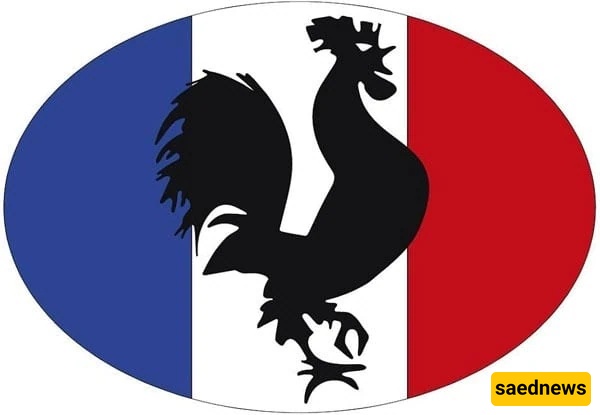
The rooster is not just an ancient symbol; it has played an important role in modern French history as well.
During the French Revolution (1789–1799), the rooster became a symbol of freedom, resistance, and revolutionary spirit. Revolutionaries used it to represent the awakening of the people against tyranny. Artistic works from this period often depicted the rooster alongside other symbols such as Marianne, the national symbol of the French Republic.
During the rule of Napoleon Bonaparte, the rooster was temporarily replaced by the eagle as the national symbol. Napoleon believed the eagle better represented power and imperial authority. However, after his fall and the return of the republic, the rooster regained its place in French national identity.
Today, the Gallic Rooster remains an official and cultural symbol of France, widely used in state institutions and sports.
The Gallic Rooster appears in various official French emblems. For example:
It has appeared on historical French coins
It is used in some official seals and military insignia
It is occasionally featured in ceremonial national representations
In addition, rooster statues and souvenirs are common throughout Paris and are among the most popular French souvenirs.
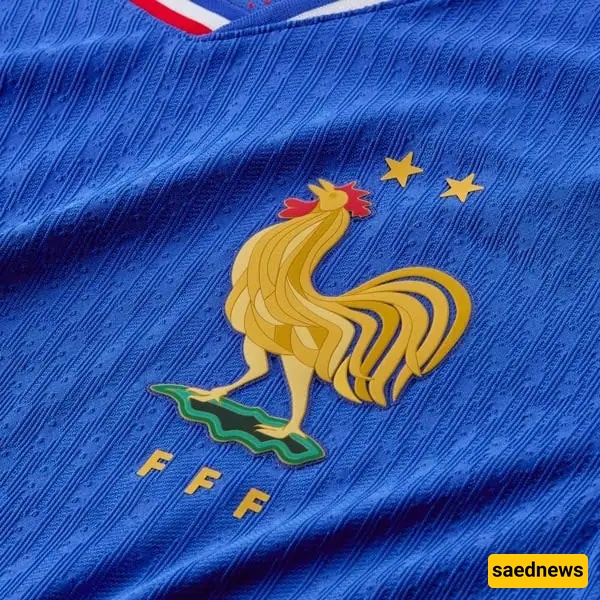
One of the most famous modern uses of the rooster symbol is in sports, especially the French national football team. Although the team is commonly known as “Les Bleus” (The Blues), the rooster remains its iconic emblem, symbolizing pride, courage, and national strength.
The Gallic Rooster is a symbol with ancient roots that has evolved over centuries. It represents courage, vigilance, and the spirit of freedom. From its origins in ancient Gaul to its modern presence in French culture, politics, and sports, it remains one of the most enduring national symbols of France.
What do you think about this emblem? Do you believe the rooster is still the most fitting symbol for France today?