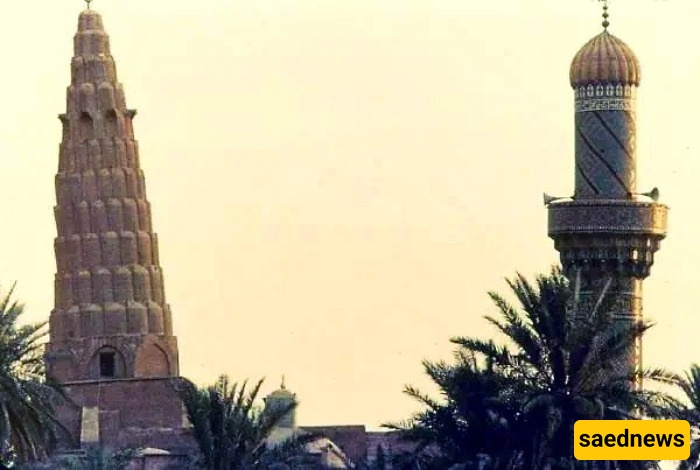
SAEDNEWS: Tombs of Some Prominent Iranian Poets and Figures Located Outside the Current Borders of Iran Due to Historical, Cultural, or Political Reasons
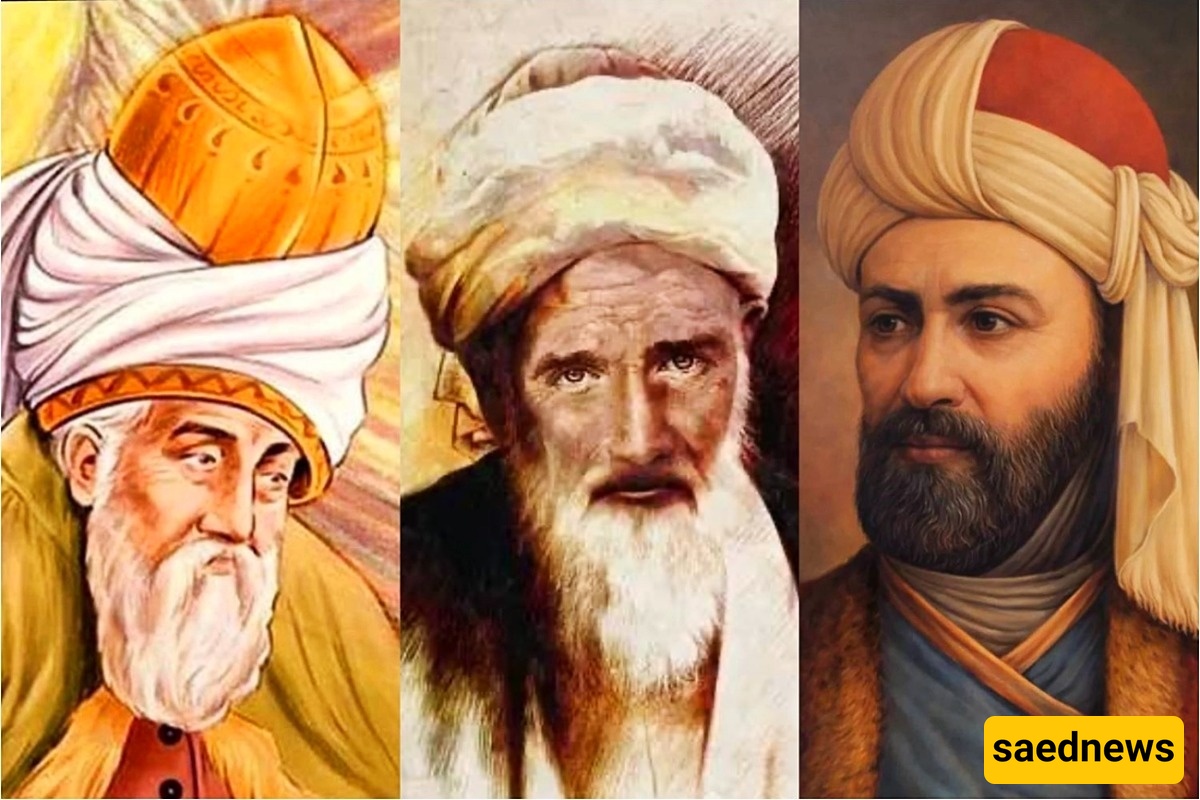
According to Saednews, Iranian literature and culture have always been a source of global inspiration. Iranian poets, philosophers, and musicians hold a distinguished place not only in their homeland but also in distant lands. Some of these great figures were buried outside Iran for various reasons. In this section, you will read about which Iranian luminaries are buried abroad.
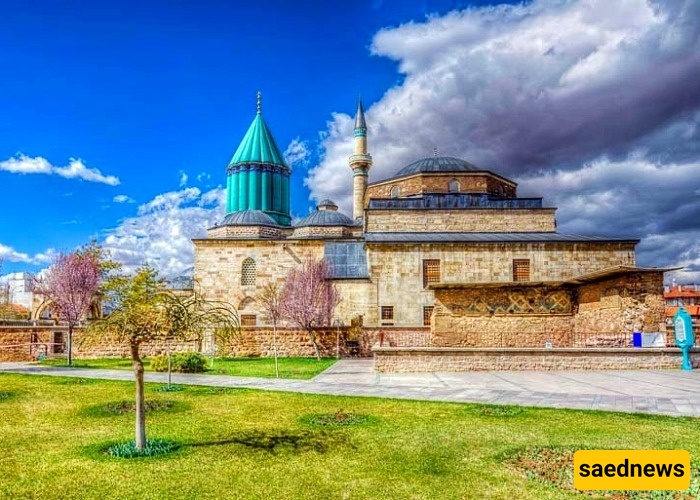
Rumi is one of the most prominent Persian-speaking poets of the 7th century AH. He was born in Balkh, which at that time was part of Greater Khorasan. His mausoleum is located in the city of Konya and is one of the most famous historical sites there.
The story of Rumi’s meeting with Shams, their master-disciple relationship, Shams’ mysterious disappearance, and Rumi’s deep grief are among the most well-known episodes of his life.
Among Rumi’s most important works are Masnavi, Divan-e Shams, quatrains, letters, Fihi Ma Fihi, and the Seven Sermons.
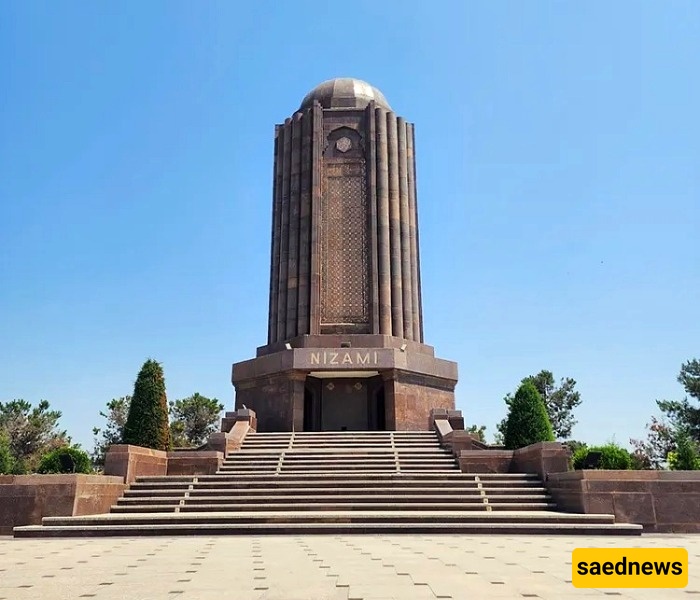
Hakim Nizami Ganjavi, a master storyteller and one of the most prominent Persian poets of the 6th century AH, lived in Ganja. His tomb is located in the city of Ganja in the Republic of Azerbaijan.
His most famous work is the Khamsa (Five Treasures), which took him thirty years to complete. The five masnavis include Makhzan al-Asrar, Khosrow and Shirin, Layla and Majnun, Haft Peykar, and Eskandar-Nama.
Jami, known as the “Seal of Poets,” was a Persian-speaking poet, musician, and writer born in the 9th century AH in Herat. The mausoleum of Nur al-Din Abd al-Rahman Jami is located in the northwest of Herat.
His major works include the three divans (Fatihat al-Shabab, Wasitat al-‘Iqd, Khatimat al-Hayat), Haft Awrang, and others in both poetry and prose.
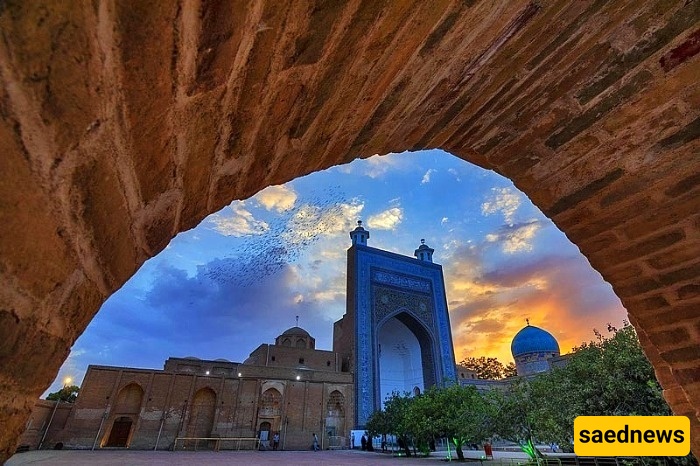
Rudaki, the first major Persian poet and the father of Persian poetry during the Samanid era (4th century AH), composed poetry in the Khorasani style. In addition to poetry, he was also skilled in music.
His mausoleum is located in Tajikistan, in the village of Panjrud (or Panjrudak), about 170 km north of Dushanbe.
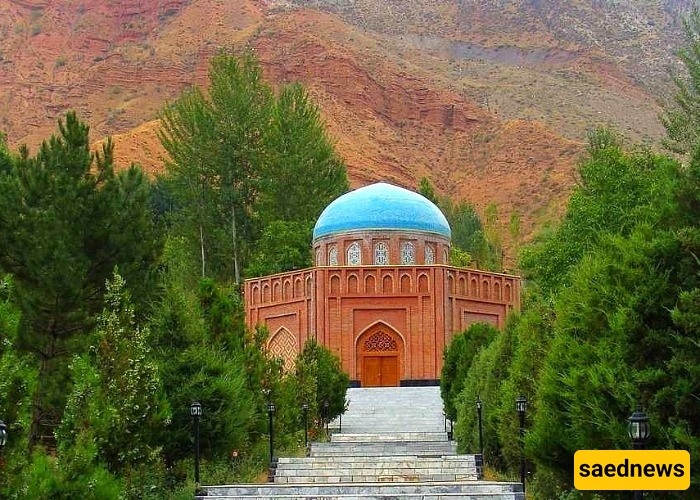
Khwaja Abdullah Ansari, a prominent figure of Persian literature in the 5th century AH, was born in Herat in historical Khorasan (then part of Iran). His mausoleum is located in his birthplace, Herat.
His most important works include Munajat Namah, Nasayeh, Zad al-Arifeen, Kanz al-Salekin, Kalendernama, Mahabbat Nama, Hast Hesaar, Risalat al-Dil wa Jan, Risalat al-Waridat, and Ilahi Nama. He is especially known for his eloquent spiritual prose and poetry in praise of God.
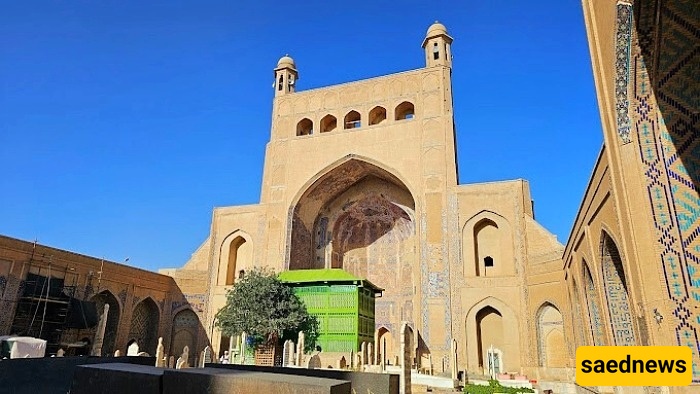
Naser Khosrow Qubadiani, a philosopher, thinker, traveler, and great Persian poet of the 5th century AH, was born in Balkh. His mausoleum is located in Badakhshan Province in northern Afghanistan.
He is renowned not only in Persian literature but also in philosophy and wisdom. His major works include Safarnama, Jami al-Hikmatayn, Zad al-Musafirin, Khan al-Ikhwan, Rawshanai Nama, Saadat Nama, and Dalil al-Mutahayyirin.
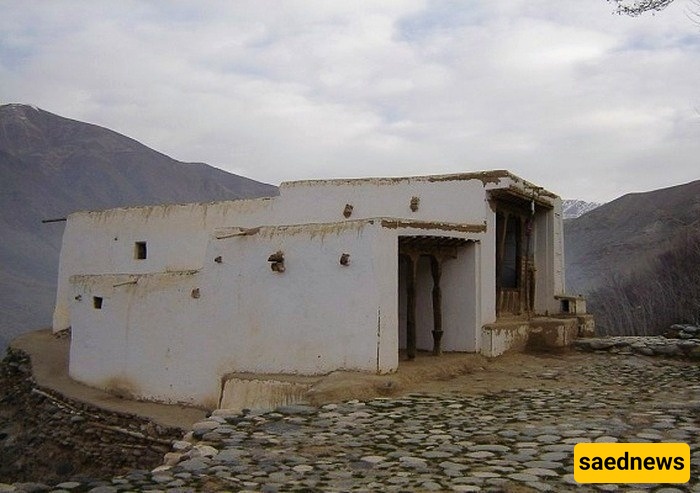
Hakim Abu al-Majd Majdud ibn Adam Sanai was one of the greatest Sufi poets of the 6th century AH. He was born in Ghazni. His mausoleum is located north of present-day Ghazni, near the ancient city.
His works include odes, ghazals, quatrains, Hadīqat al-Haqiqa, Sair al-‘Ibad ila al-Ma‘ad, and Karnameh-ye Balkh.
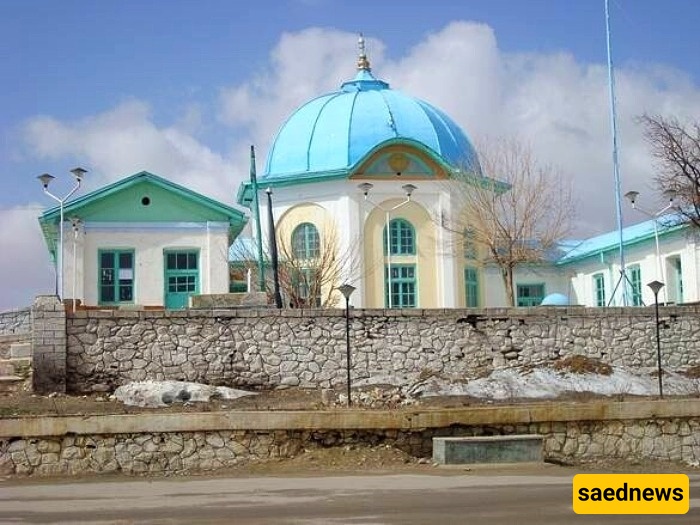
Shihab al-Din Yahya Suhrawardi, known as the “Master of Illumination,” was a prominent Iranian philosopher born in Zanjan. During his travels, he reached Aleppo, where he was executed on suspicion. His mausoleum is located in the city of Aleppo.
His famous works include Hikmat al-Ishraq, Risalat al-‘Ishq, al-Talwihat, al-Mashari‘ wa al-Mutarahat, al-Muqawamat, and al-Lamahat.