SAEDNEWS: India is a country with a rich and diverse culture, shaped over thousands of years by numerous ethnic groups and civilizations. This long history has given rise to a wide range of traditions and customs, some of which may seem unusual or surprising to outsiders. Below, we take a look at a few of the more curious customs found in India.
The culture and behavior of people in every country are deeply rooted in long-standing traditions and beliefs passed down through generations. Many of these beliefs have meaningful reasons behind them—reasons that outsiders may not always be aware of. One country that stands at the top of the list for ancient and sometimes surprising traditions is India. Below are a few fascinating examples of Indian culture, presented in a Discover-style narrative.
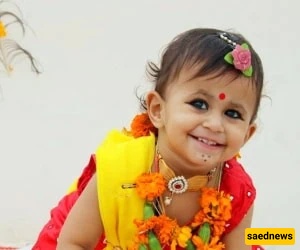
If you have ever seen Indian infants or young children, you may have noticed a dark line drawn along their lower eyelids. This is a special type of kohl traditionally applied around a baby’s eyes. Many believe it protects the child from evil spirits and helps strengthen their eyesight.
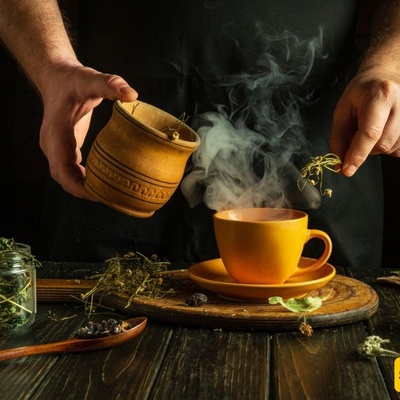
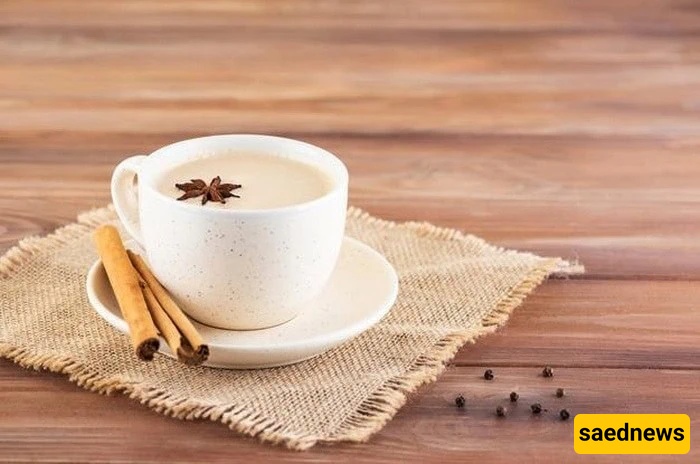
Masala chai, which has become popular in cafés around the world in recent years, is essentially black tea blended with milk and a mix of spices. Thanks to these spices, it is considered one of the spiciest teas in the world and is a daily staple in Indian households.
One of the most eye-catching sights when traveling in India is the thali. In Hindi, thali refers to a large metal platter on which food is served. Traditionally, it includes six different tastes: salty, sweet, spicy, bitter, sour, and astringent. Indians believe a complete meal should include a balanced combination of all six flavors. Some restaurants even serve more than 20 different dishes on a single thali.
Instead of porcelain or glassware, many Indians prefer stainless steel utensils. They believe steel is more practical, does not chip or break like glass or china, and maintains its appearance for a long time.
You may also notice that Indians use a lot of hand gestures when speaking. These movements help them express emotions more vividly and clearly. The wide variety of gestures is often linked to the influence of yoga practices and traditional Indian dance movements on everyday body language.
Together, these traditions offer a glimpse into the rich, symbolic, and deeply rooted cultural fabric of India.