SAEDNEWS: Potato texture after cooking depends largely on starch content, variety, maturity, and cooking method. These factors can make some potatoes fluffy while others remain firm, waxy, or creamy.
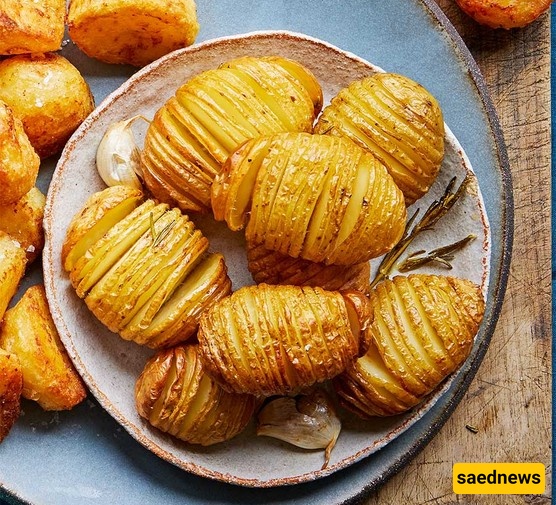
According to SAEDNEWS, potatoes can develop noticeably different textures during cooking even when they look similar before going into the pot. The main reason is that potato varieties differ in their proportions of starch, water, and structural components. As heat penetrates the potato, starch granules absorb water and swell, while the cells gradually soften. The balance between these changes determines whether the cooked potato becomes fluffy, creamy, firm, or waxy.
One of the most important factors is starch content. Potatoes with relatively high levels of starch tend to become light and fluffy when cooked. Their cells separate more easily, making them suitable for dishes where a soft, crumbly texture is desirable.
Potatoes with lower starch and higher moisture tend to hold their shape better. They often have a denser, smoother, or waxier texture after cooking. This makes them useful when the potatoes need to remain intact rather than break apart.
The potato variety itself strongly influences texture because different varieties naturally have different starch and moisture profiles. Even potatoes of the same variety can change during storage. Temperature and storage conditions can affect the composition of their carbohydrates and, consequently, how they behave during cooking.
Potato maturity can also play a role. Younger potatoes generally have a different balance of moisture and structural components than more mature ones, which can affect their tenderness and mouthfeel.

The same potato can also feel different depending on how it is prepared. Boiling exposes it to water, while baking allows moisture to escape from the interior and concentrates its cooked texture. Steaming, roasting, and frying create their own combinations of heat and moisture.
For example:
Boiling: Water enters the potato as starch swells and the tissue softens.
Steaming: The potato cooks through moist heat while having less direct contact with water.
Baking: Moisture gradually escapes, often producing a drier and fluffier interior.
Roasting: Surface moisture loss and browning can create a firmer, more developed exterior while the center softens.
Cooking time matters as well. As potatoes continue to heat, their cell structure becomes increasingly tender. If they are cooked for too long, the tissue may break down excessively, producing a mushy texture. Cutting potatoes into smaller pieces can also speed up cooking because heat reaches the center more quickly.
Choosing a potato based on its natural characteristics and matching it with the appropriate cooking method can therefore make a noticeable difference. A potato that stays firm in one dish may become soft and fluffy when prepared differently, while another variety may naturally retain its shape because of its composition.