SAEDNEWS: The shape, size, and color of a plate can influence how large or small a meal appears, even when the amount of food stays the same.
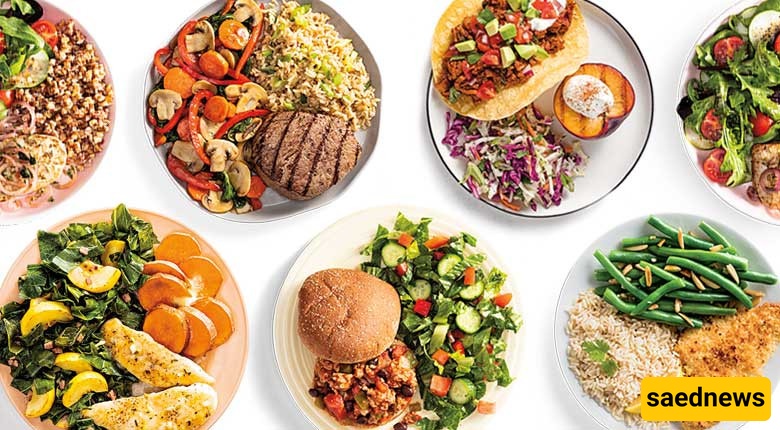
According to SAEDNEWS, the plate beneath a meal can change its visual appearance considerably. A portion placed on a large plate may look relatively small because more empty space surrounds it, while the same portion on a smaller plate can appear more substantial. This effect is partly related to visual perception: people judge the size of an object in relation to the space and objects around it.
A larger plate creates more distance between the food and the plate's edges. As a result, the same serving can seem less filling visually. A smaller plate reduces the surrounding empty area, making the food occupy a greater proportion of the surface.
This does not mean that plate size automatically changes how much someone eats. Research on the relationship between dishware size and food intake has produced mixed findings, and visual effects can vary depending on the situation. Still, the appearance of a portion can influence how people perceive its size.
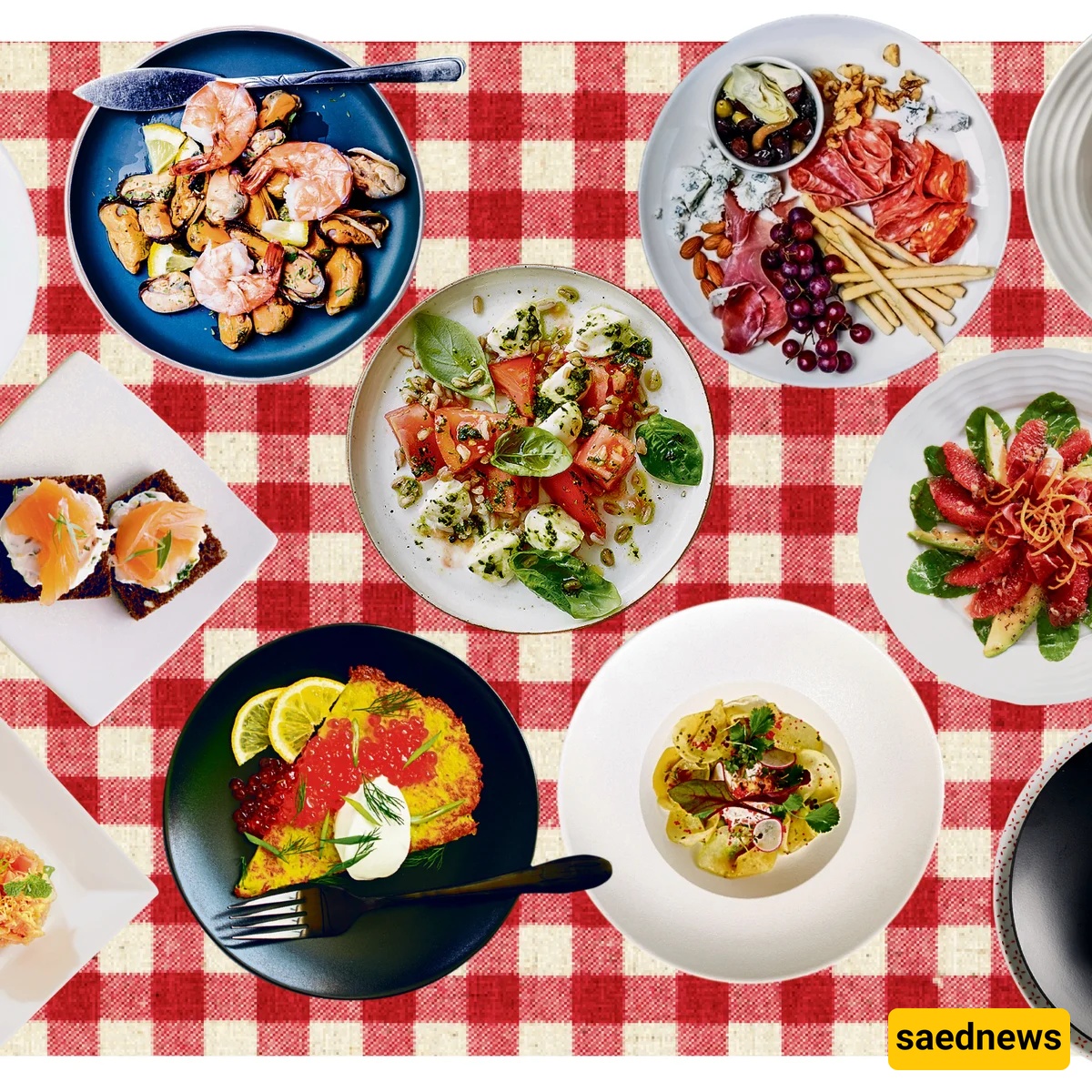
The shape of the plate can also affect the way a meal is perceived. On a wide, shallow plate, food may appear more spread out, whereas the same serving in a narrower or deeper dish can look more concentrated.
Other visual elements can contribute as well:
Plate-to-food ratio: More empty space can make a portion look smaller.
Plate shape: Wide or narrow surfaces can change how spread out food appears.
Food arrangement: Neatly grouped food may look different from the same amount spread across the plate.
Color contrast: Strong contrast between the food and plate can make the portion easier to distinguish visually.
People do not judge portion size by weight alone. The brain uses surrounding visual information to estimate the size and amount of objects. This is why two plates containing the same quantity of food can create different visual impressions.
For everyday meals, choosing dishware is therefore partly a matter of presentation. A plate that suits the amount and arrangement of food can make a meal look balanced without changing the actual quantity being served.
The key point is that the plate does not change the amount of food—it changes the visual context in which that food is judged. That simple difference can make an identical serving look more generous, more modest, more spread out, or more concentrated.