SAEDNEWS: Children may prefer small everyday objects because they offer open-ended ways to play, explore, and use their imagination, while many expensive toys have a more defined purpose.
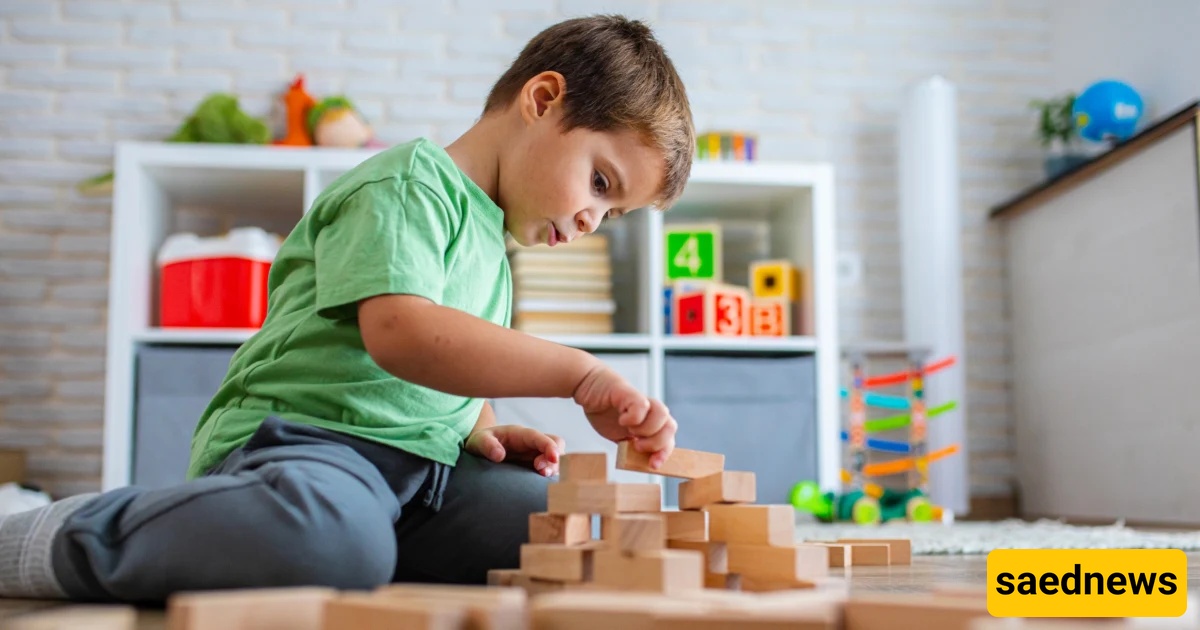
According to SAEDNEWS, a child choosing a cardboard box, spoon, container, piece of fabric, or another simple object over an expensive toy is not necessarily unusual. Young children often learn through exploration, and objects with no fixed purpose can give them more freedom to decide what the object represents and how it should be used.
Many commercial toys are designed around specific functions. A toy vehicle is meant to be driven, while a puzzle has a particular solution. Simple objects, by contrast, can become almost anything in a child's imagination. A small box might become a house, a shop, a bed for a toy, or part of a pretend game.
This kind of open-ended play allows children to generate their own rules and scenarios. The appeal may therefore come less from the object's price or appearance and more from the possibilities it creates.
Children are naturally interested in how objects work. Everyday items can provide opportunities to:
Touch and examine different textures and shapes
Move, stack, fill, empty, or sort objects
Imitate what adults do with familiar household items
Experiment with cause and effect
Incorporate objects into pretend play
A simple object can also be especially interesting because it is familiar from everyday life. Children may have watched adults use a container, spoon, cloth, or box and then reproduce those actions in their own play.
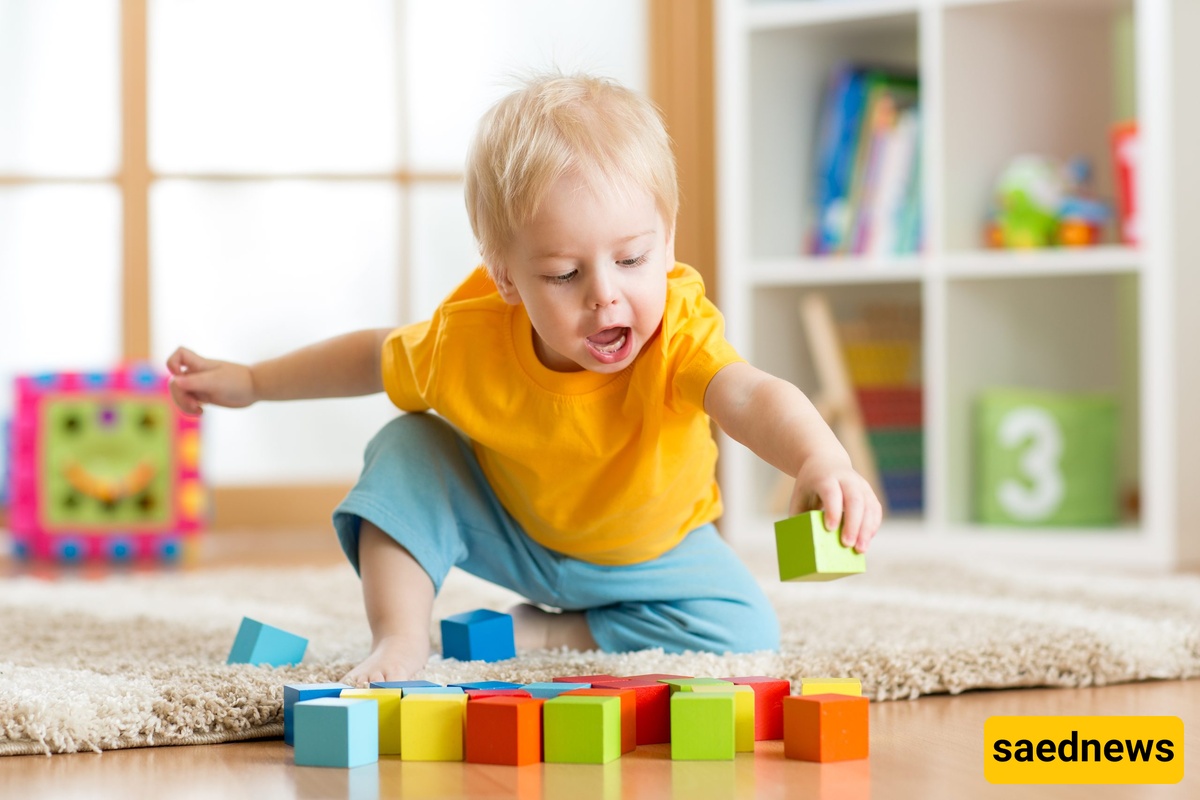
Another difference is control. A highly structured toy may suggest what a child should do, whereas an ordinary object leaves much of the decision-making to the child. That freedom can support imaginative and symbolic play.
For example, several small objects can be combined into a completely new scenario. The child decides what each item represents, changes the rules, and develops the story as the game continues. The object becomes a tool for imagination rather than the center of the activity itself.
A preference for inexpensive objects does not mean children do not appreciate toys or that buying toys is unnecessary. Instead, it can be a useful reminder that more expensive does not automatically mean more engaging.
Parents can provide children with age-appropriate everyday materials alongside conventional toys, as long as the objects are safe. Supervision is particularly important with small objects because young children may put them in their mouths, creating a choking risk.
The strongest play environment does not necessarily require the most expensive toys. A mixture of safe, simple materials and suitable toys can give children opportunities to explore, invent, and make their own decisions about how play unfolds.