SAEDNEWS: 12+1 Simple Tricks to Balance the Flavor of Ghormeh Sabzi the Northern Way
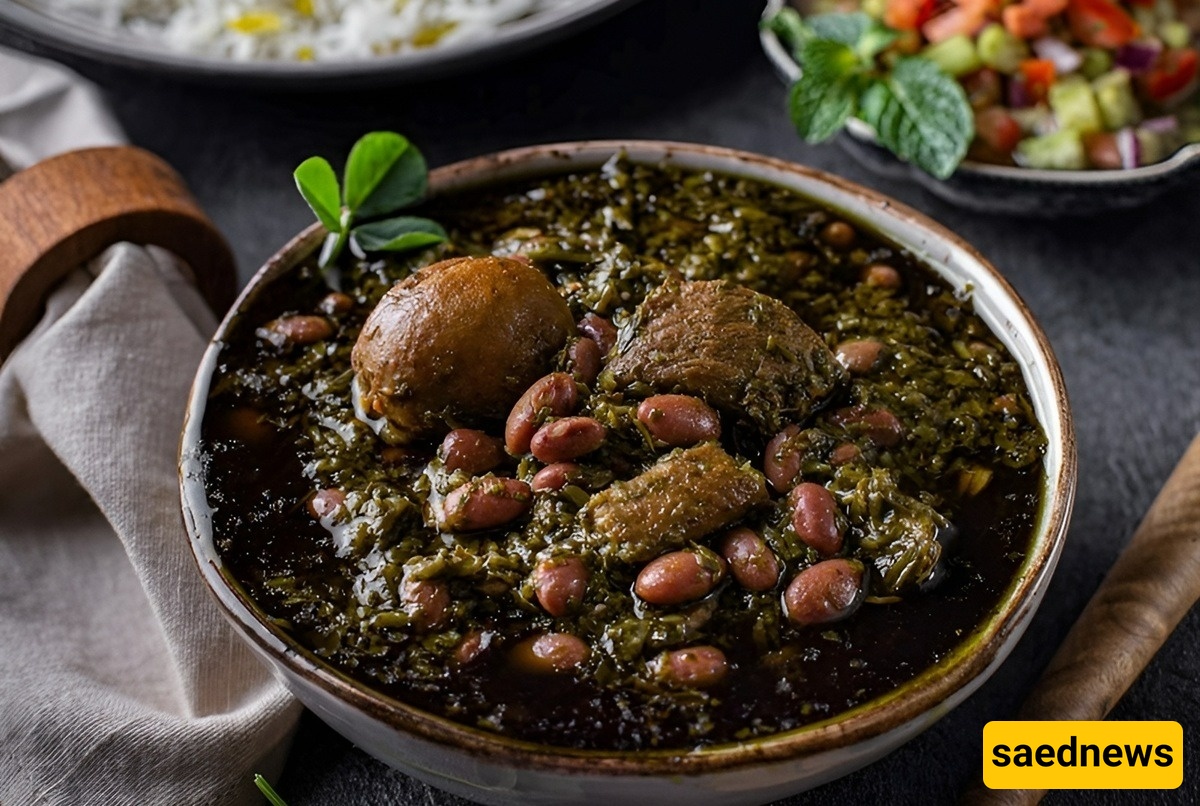
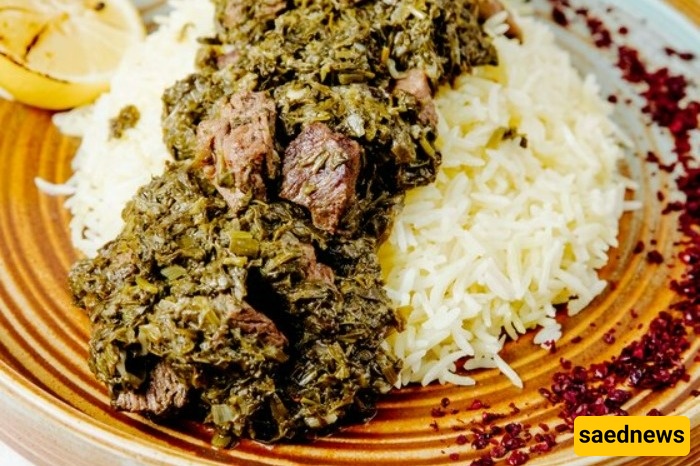
According to SAEDNEWS, Ghormeh Sabzi is one of the most popular and iconic Iranian stews, deeply rooted in the country’s culinary culture. Many Iranian cooks know the secrets to making a delicious Ghormeh Sabzi, but sometimes the stew can turn out a bit too sour. Don’t worry—there are several simple and effective ways to balance the sourness and enjoy a flavorful, well-rounded Ghormeh Sabzi.
One of the easiest and most effective methods to reduce sourness is to add potatoes. Their high starch content absorbs some of the sourness from the stew. Peel and wash 1–2 medium potatoes, cut them into large pieces, and add them to the stew. Let them cook for 15–30 minutes, then remove them once they have absorbed some of the sour flavor.
Vegetables with natural sweetness, like carrots or pumpkin, can balance the tanginess of the stew. Chop them into small pieces and add them to the stew to create a milder, more pleasant flavor.
A lesser-known method is to add a small amount of dairy, such as milk, cream, or yogurt. Even a single tablespoon can help neutralize sourness and soften the texture. Be careful not to overuse dairy, as it can alter the original flavor and consistency. This works best toward the end of cooking or just before serving.
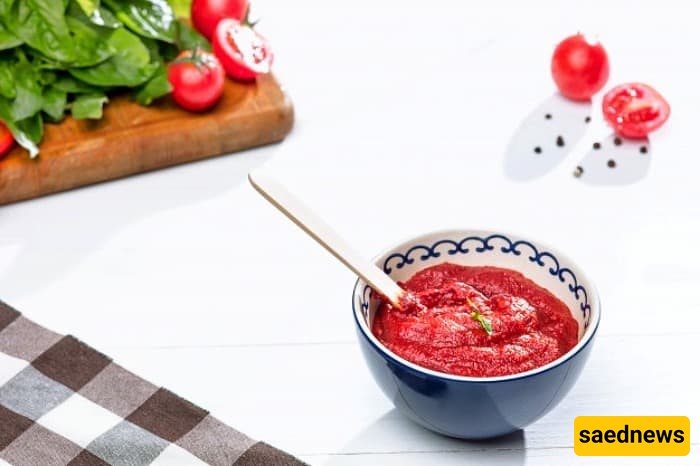
Sweet pomegranate paste or low-acidity tomato paste can help balance the sourness. If you have sweet pomegranate paste, add about one teaspoon, mix, and taste to reach the desired balance.
If the stew is too sour due to dried limes, reduce the number used or remove them partway through cooking. You can also poke a few holes in the limes and soak them in warm water for a few minutes before adding them to soften their sourness.
Sugar, honey, or a sugar cube can help neutralize sourness. Add gradually, tasting after each addition to avoid making the stew overly sweet.
Sometimes sourness is exaggerated by insufficient salt. Add a little salt to balance flavors, but avoid over-salting.
Fat can help mellow the sourness. A small amount of olive oil, butter, or animal fat can make the stew richer and more aromatic. Avoid adding too much, as it may make the stew heavy.
Baking soda neutralizes acidity, but it must be used carefully. Dissolve a very small amount (start with ¼ teaspoon) in water and add it to the stew gradually. Too much can alter the flavor.
If time allows, adding vegetables like spinach or beetroot, which have a subtle sweetness, can balance the flavors. Avoid adding too much to maintain the correct meat-to-vegetable ratio.

Adding a small amount of meat or chicken stock enriches the flavor and reduces sourness. Add toward the end of cooking and taste to adjust.
If you enjoy a slightly tangy flavor but want it milder, serve the stew with a spoonful of yogurt or doogh. This balances the sourness and creates a smoother texture. Add gradually and taste as you go.
If none of the above methods work, set aside part of the sour stew and make a new batch with fresh ingredients—meat, onions, herbs, and spices. This is often the most effective way to salvage a sour Ghormeh Sabzi.
Add any ingredients gradually and with care.
Taste after each addition to achieve the desired flavor.
Allow some time for flavors to combine before making further adjustments.
By following these steps, you can balance the sourness and enjoy a perfectly flavorful Ghormeh Sabzi.
For a medium-sized pot, 2–3 dried limes are sufficient.
Ensure tomato paste is not overly acidic.
Use fresh, high-quality herbs and avoid over-frying them.
If you prefer a milder taste, omit dried limes and add a small amount of fresh lemon juice at the end. This keeps the stew aromatic while controlling sourness.