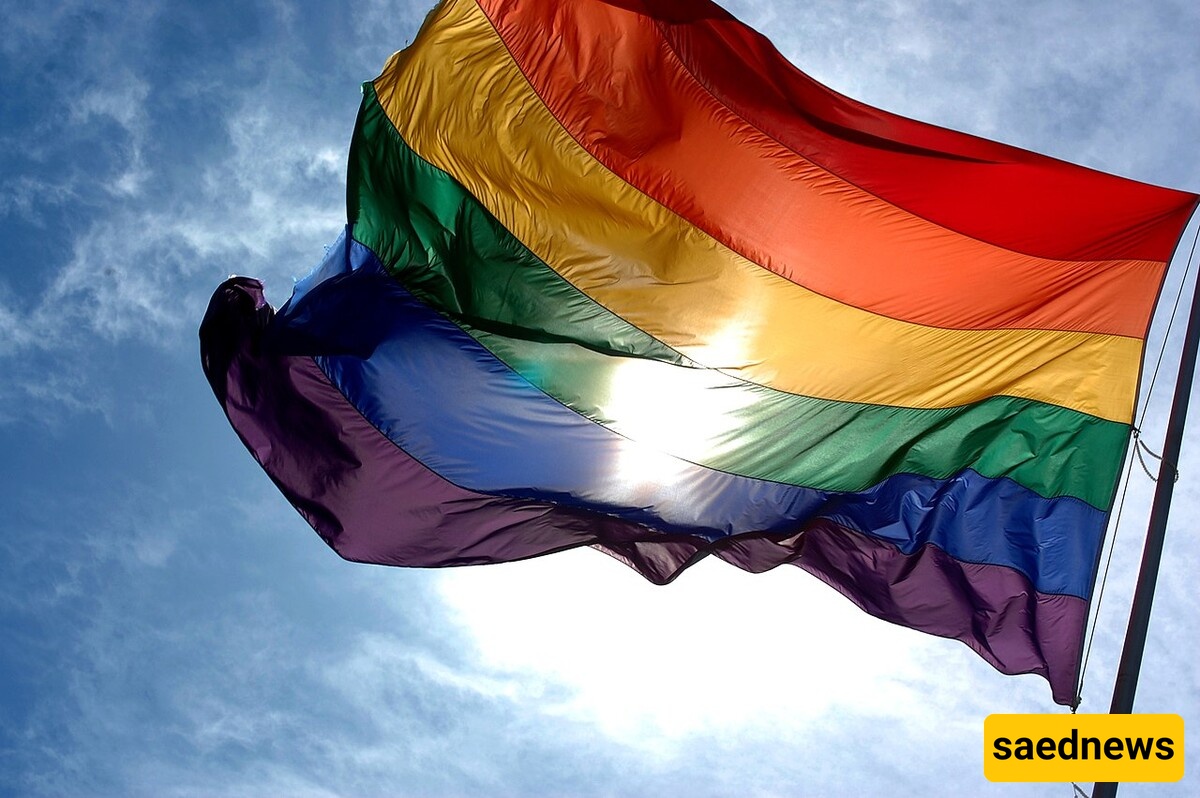
SAEDNEWS: Western countries are making every effort to shape their laws in ways favorable to homosexuals, which has led many nations to remove the terms 'father' and 'mother.'

According to Saed News’ social affairs service, citing Fars News Agency, it may seem surprising to hear that individuals have the right to determine their own gender. However, Germany has recently passed a law called the “Right to Self-Determination.” Under this law, people over the age of 18 can easily change their name and gender. The law goes further: individuals can also remove their parents’ names from their official records.
Some European countries, such as the UK and France, have also introduced educational games for elementary school children to familiarize them with gender identity. These games involve showing children cards with animal images and allowing them to assign any name they choose, including preferred pronouns, to the animals. The rules require using gender-neutral language, so children are not limited to traditional masculine or feminine pronouns. Additionally, instead of “father” and “mother,” terms such as “parent,” “guardian,” or “caregiver” are used.
In previous reports, it was noted that the Greek dairy company Delta replaced images of a father, mother, and two children on its milk cartons with a man and a young girl. Similarly, at the University of Leeds in the UK, students are instructed not to use the words “mother” and “father,” instead referring to parents as “supervisor,” “guardian,” or “caregiver.” The British Medical Association has also removed the term “mother” from medical terminology, replacing it with “pregnant person” or “birthing individual,” to avoid discomfort for same-sex couples.
Earlier, U.S. Secretary of State Antony Blinken also emphasized that common terms like “mother” and “father” should be replaced with “parent” or “life partner.” Consequently, official records sometimes list parents as “Parent 1” and “Parent 2,” regardless of gender.
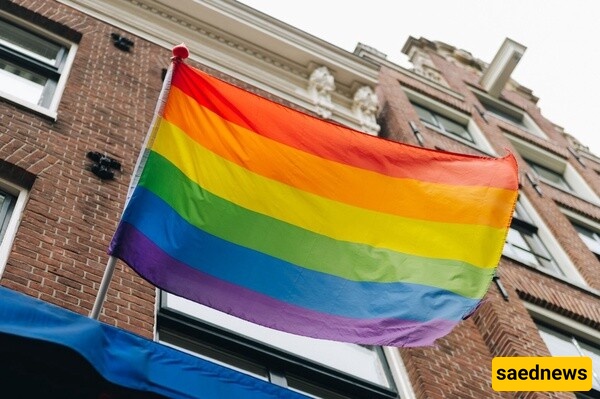
In U.S. state budgets and legal documents, references to mothers have been removed, and terms such as “husband,” “wife,” “bride,” and “groom” have been replaced with “Partner A” and “Partner B” to avoid specifying gender roles. Instead of “mother,” documents may now use “birthing individual.”
These changes are largely attributed to accommodating same-sex couples. Advocates often argue that a person’s gender identity may differ from their birth sex or that gender is a socially acquired attribute. Critics in the U.S. argue that lawmakers are elevating homosexuality to a level comparable to religion.
The family remains the most important institution in any society, influencing and being influenced by social dynamics. One key aspect of family life is sexual development, which in the West has been strongly affected and reshaped by this minority movement. Many theorists believe that examining how sexual instincts are regulated in a society can indicate whether it is on a path of growth or decline.
Western perspectives on women and family have become instrumental and utilitarian, focusing on economic interests, rather than valuing the traditional family structure. Historically, this was not the case. Western thinkers note that the sexual revolution, which altered male-female relationships and influenced religious institutions, contributed to the erosion of both religion and family. As a result, the proportion of traditional families—comprising a mother and father living together—declined from 67% in 1970 to 37% today.
Parents collectively shape their child’s identity. Parental affection and cooperation form the foundation of a child’s upbringing. Families that diverge from this natural model, which the West often promotes as acceptable, risk destabilizing children’s development. Sexual education and behavior guidance are among the most crucial aspects of family upbringing. Children raised in same-sex or single-parent households may face identity crises due to a lack of proper role models. Consequently, the value of a natural family—mother, father, and respect for parental roles—is diminished.
Recognizing the Global Commitment to Family
Western attitudes toward women and families were not always dismissive. Historically, pregnant women and mothers were highly respected. However, the influence of capitalism, media, and economic institutions has contributed to the erosion of traditional family values. Today, moral decline has spread worldwide, with countries like Thailand and Taiwan legalizing same-sex marriage. In response, it is important to support the global commitment to family, as emphasized by Martyr Raisi at the UN General Assembly, to counter artificial narratives and preserve the traditional family structure.