SAEDNEWS: Mohammad Hashemi, a spokesperson for Iran’s Food and Drug Administration, has warned that although AI and the internet can improve health awareness, they should not be used to diagnose illnesses or independently start, change or stop medications.
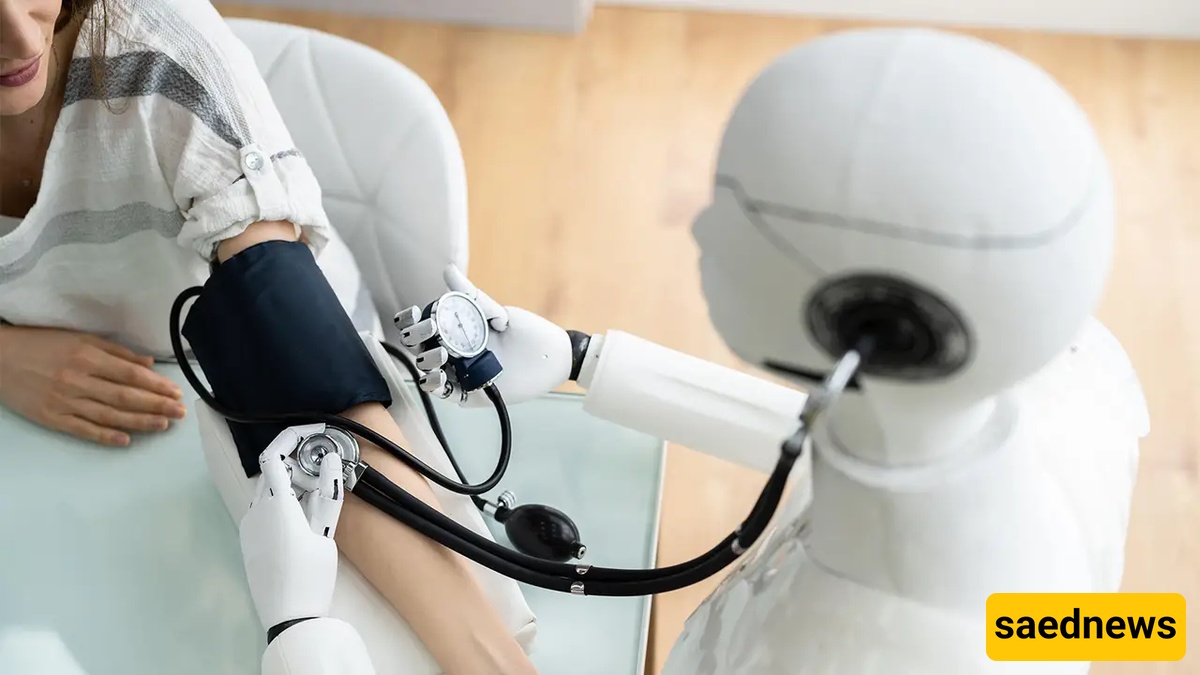
According to SaedNews: Mohammad Hashemi, spokesperson for Iran’s Food and Drug Administration, has warned about the growing use of artificial intelligence and the internet to obtain health information. He said these technologies can be valuable educational tools, but should not be treated as authorities for diagnosing diseases, prescribing medicines, changing doses or stopping treatment.

Hashemi described the growing practice of “digital self-medication,” noting that widespread access to medical information has created new challenges alongside its educational benefits. Some people search their symptoms online or ask AI systems for answers and then begin taking medicines, or alter their treatment, without professional assessment by a doctor or pharmacist. Such actions, he warned, can have irreversible consequences.
The Food and Drug Administration spokesperson stressed that medication decisions depend on multiple complex factors, including a confirmed diagnosis, medical history, the patient’s physiological condition, the functioning of vital organs such as the liver and kidneys, drug interactions, and specific circumstances such as pregnancy or breastfeeding. General AI systems cannot accurately assess these factors because they do not have access to an individual’s clinical record.
The adviser to the head of the Food and Drug Administration also highlighted the importance of medication safety. A drug that is beneficial for one patient, he explained, may be dangerous for another because of a particular medical condition or interactions with other medicines.
He described pharmacists as essential to preventing medication errors, emphasizing that their role goes beyond dispensing drugs. Pharmacists are specialists in identifying drug interactions and educating patients, helping prevent avoidable mistakes.
Hashemi also pointed to the possibility of inaccurate AI responses resulting from incomplete input data or incorrect processing. He said self-directed use of antibiotics, medicines affecting the nervous system, anticoagulants and drugs for chronic diseases requires close professional supervision.
People can use technology to better understand diseases, he said, but any treatment-related action requires consultation with healthcare professionals.