SAEDNEWS: In the interview with the Duke and Duchess of Sussex that aired in the United Kingdom last Monday, Meghan Markle explained how life inside the royal palace had taken a serious toll on her mental health. She described the emotional struggles she faced while living as a member of the British royal family.
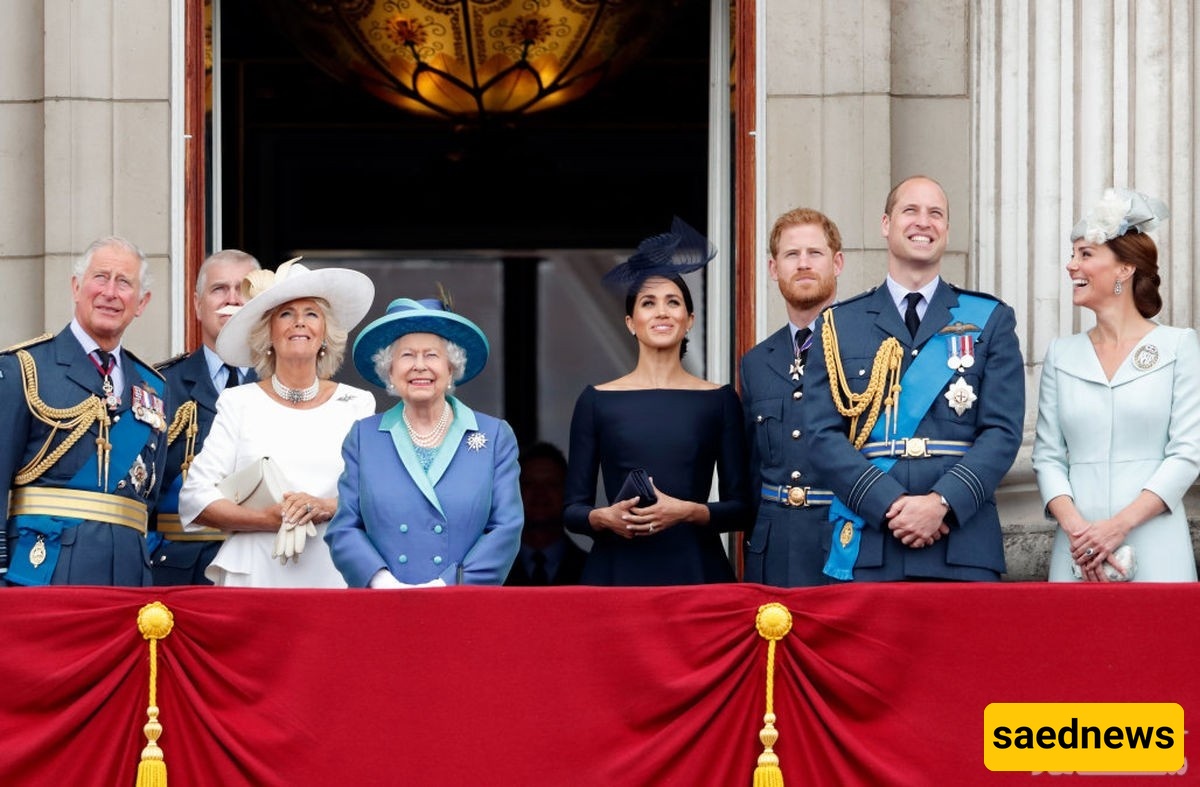
According to Saednews reports, Meghan Markle once said, “There were very few things I was allowed to do.” She described feeling isolated during her time as a working member of the British royal family, claiming she was even advised not to go out for lunch with friends because palace officials believed her public image had become “overexposed,” despite her rarely leaving home for months.
Markle compared her experience to the isolation many people felt during the COVID-19 lockdowns, saying that shared experience made it easier for others to understand what life inside the palace was like. She also explained that members of the royal family are expected to follow detailed guidelines governing what they can and cannot do.
Below are some of the best-known customs, traditions, and expectations associated with members of the British royal family.
Working members of the royal family are expected to avoid expressing political opinions publicly. They do not campaign for political candidates, and by long-standing constitutional convention, they do not vote in elections or stand for public office. Prince Harry has previously noted that he was unable to vote in the United Kingdom during his time as a working royal.
Royal family members are generally expected to dress modestly and appropriately for official engagements.
Some traditional expectations include:
Wearing formal and conservative clothing during public appearances.
Women often wearing hats at daytime official events.
Tiaras being reserved for formal evening occasions.
Bright nail polish is generally discouraged.
Skirts and dresses are typically worn at knee length or longer.
Tights or stockings are commonly worn during formal engagements.
Coats are usually kept on throughout official ceremonies.
Historically, fur has also been discouraged under certain royal traditions, and Queen Elizabeth II reportedly preferred faux fur in later years.
When traveling abroad, members of the royal family traditionally pack a black outfit in case they need to attend official mourning events following the death of a royal family member.
Another long-standing convention is that direct heirs to the throne generally avoid traveling together to reduce succession risks, although exceptions may be made.
Members of the royal family rarely pose for selfies during official engagements, preferring direct conversations with members of the public.
They also traditionally avoid giving autographs because of concerns that signatures could be copied or forged.
During official events, they are expected to graciously accept gifts offered by members of the public.
Several unofficial dining practices have become associated with the royal household.
These include:
Avoiding shellfish during official travel because of the increased risk of food poisoning.
Garlic is reportedly used sparingly in palace kitchens.
Large amounts of onion are also generally avoided.
Potatoes, rice, and pasta have reportedly not been regular components of formal royal dinners.
Foie gras has reportedly been banned at royal residences due to animal welfare concerns.
These practices are based largely on former royal staff accounts rather than formal written rules.
Royal etiquette generally discourages members of the public from initiating physical contact with members of the royal family.
A handshake is considered an appropriate greeting when offered, but hugs, touching shoulders, or placing a hand on a royal while taking photographs are generally avoided unless initiated by the royal.
Junior members of the royal family traditionally bow or curtsy to senior members according to royal protocol and precedence.
As the order of succession changes over time, these expectations may also change depending on each individual's position within the family.
Royal protocol includes subtle signals used during official events.
According to royal commentators, Queen Elizabeth II sometimes used movements of her handbag to communicate privately with staff, who would then politely bring conversations to a close or assist in moving engagements along.
Guests are also traditionally expected not to turn their backs abruptly on the monarch when departing.
According to former royal staff, it was traditionally considered impolite for guests or family members to leave for bed before Queen Elizabeth II during official gatherings.
Although this was largely regarded as a matter of etiquette rather than a formal rule, it reflected the highly structured customs observed within the royal household.
Many of these expectations are not legal requirements but long-standing traditions and etiquette that have developed over centuries. While some customs have evolved over time, working members of the British royal family continue to observe a distinctive set of protocols that shape their public and private lives.