Saed News: Archaeologists in northern Italy, during road construction works in the town of Ponso in the province of Padua, have discovered an ancient sanctuary along with inscriptions in the Venetic language. The site was uncovered during the first phase of a regional road project between Borgo Veneto and Carceri.
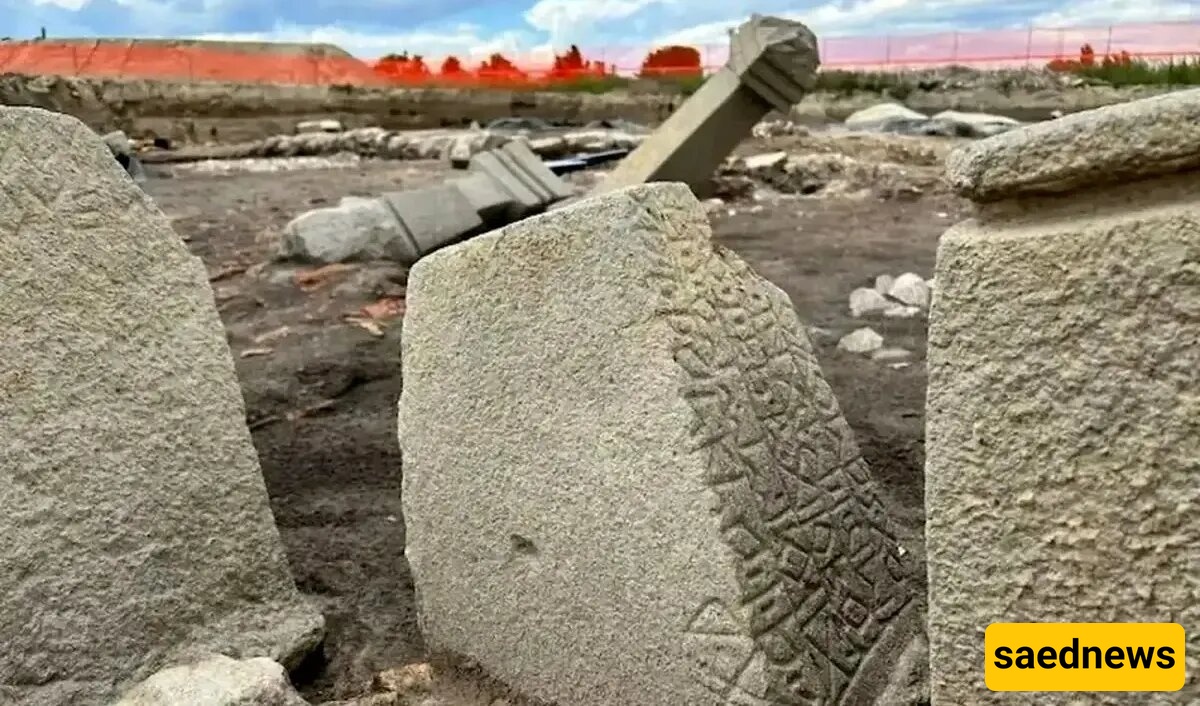
According to SAEDNEWS, citing Faraarou, researchers say the sanctuary was active in the pre-Roman period, likely from the 5th or 4th century BC, and it retained its religious significance during the Roman era.
The first remains were discovered during clearance operations related to wartime munitions for the road project. Archaeologists then began a large stratigraphic excavation that quickly led to the identification of a major ritual complex.
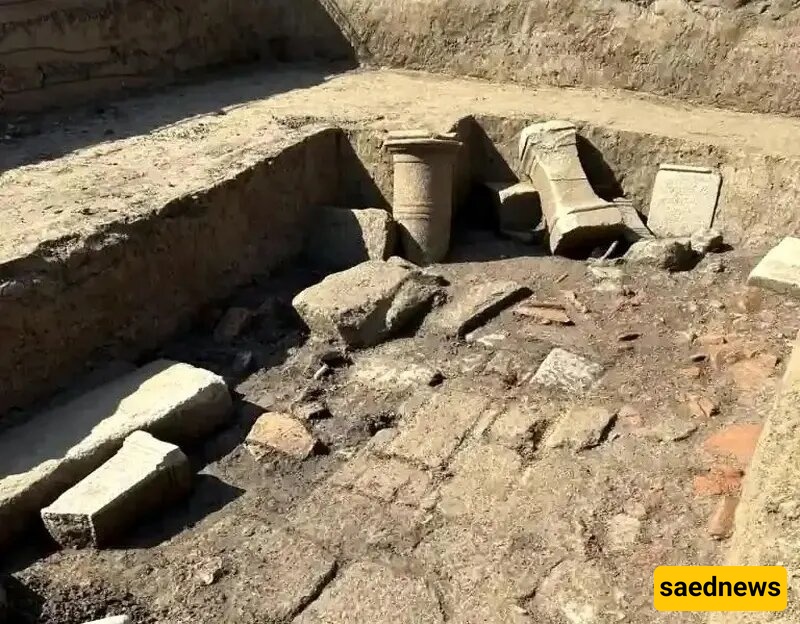
Among the most important finds are stone objects engraved with inscriptions in both the Venetic language and Latin letters. The Venetic language was spoken in northeastern Italy before the expansion of Rome. Many of these inscriptions appear to be votive dedications related to religious rituals. Some of them are engraved on three different levels of stone, indicating ritual and ceremonial functions.
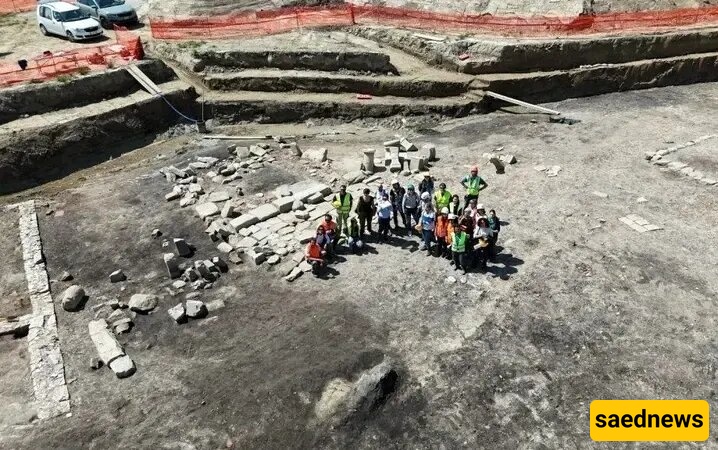
Researchers also found that many of these inscribed stones were reused in a stone pavement dating back to the 1st century AD. The exact function of this pavement is still unknown. Fewer inscriptions remain in their original positions. Archaeologists believe this reuse of sacred stones suggests that the site continued to have religious function even during the spread of Roman culture.
As excavations expanded, large rectangular foundation structures were discovered and identified as temples. One of these structures shows characteristics of a “peripteral” temple, a type of religious building surrounded by columns on all four sides. This discovery indicates that the sanctuary later developed into a large monumental religious center.
Evidence suggests that the sanctuary was eventually buried by a major flood from the Adige River, which in ancient times flowed through the region. Researchers do not believe the site was abruptly abandoned; rather, findings indicate that it remained in use gradually over several centuries, during which its architecture, rituals, and cultural traditions evolved.
This sanctuary provides a rare picture of the transition between pre-Roman Venetic religious traditions and Roman rituals in northern Italy. The inscriptions and temple structures show how local communities adapted sacred spaces under new cultural and political influences.
Excavations are ongoing, and archaeologists hope further analysis will clarify the organizational structure of the sanctuary and its changes across different periods.