Saed News: Age, genetics, and daily habits can cause people’s bodies to react very differently to salt. This helps explain why some individuals develop high blood pressure more easily than others.
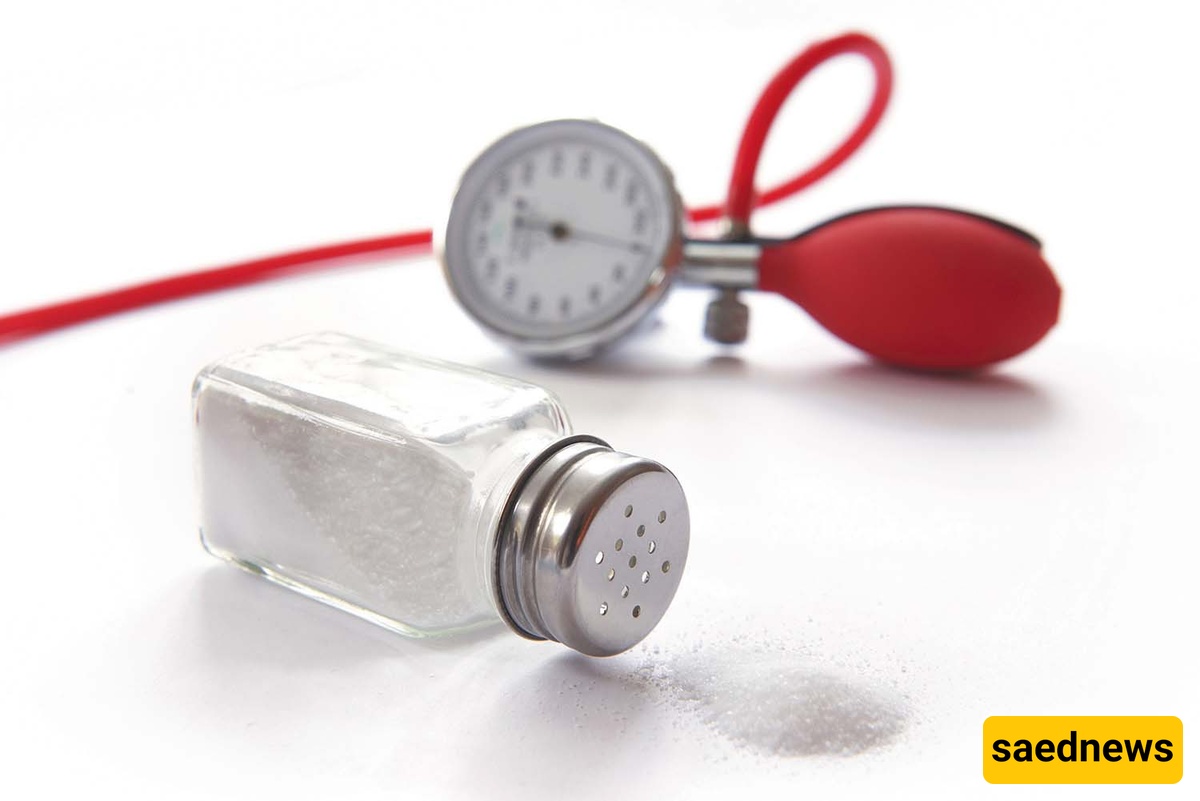
According to SAEDNEWS, sodium sensitivity is one of the lesser-known reasons why blood pressure rises much faster in some people. For many individuals, a salty meal may not cause noticeable changes, but for salt-sensitive people, even moderate sodium intake can increase blood pressure and raise the long-term risk of heart disease.
According to ISNA, Saurabh Juneja, head of cardiovascular surgery at ISIC Super Specialty Hospital in Delhi, said that sodium sensitivity means a person’s blood pressure rises more easily in response to salt consumption. He explained that some people tolerate salt better, while in others even a small amount of extra salt can significantly increase blood pressure. This is one reason why hypertension appears differently from person to person.
This difference matters because high blood pressure is often described as a disease with a single cause. In reality, however, salt intake, age, family history, body weight, stress, sleep, and kidney health all influence how salt affects blood pressure.
Akhil Kumar Rastogi, senior cardiovascular surgeon at Shardacare Hospital in India, explained that as people age, the kidneys gradually lose efficiency in removing excess salt from the body. This leads to water retention and increased pressure on blood vessels.
He added that blood vessels lose flexibility with age and kidney function slows down. As a result, the body cannot eliminate excess sodium effectively, causing fluid accumulation and greater strain on the heart and arteries.
This is why older adults become increasingly sensitive to salt over time. The body’s ability to regulate sodium decreases, and a diet that previously caused no issues may suddenly lead to serious increases in blood pressure.
Family history is another major factor that makes some people more vulnerable to hypertension. Juneja noted that people with a family history of high blood pressure or cardiovascular disease are often more susceptible to the harmful effects of sodium.
Rastogi emphasized that individuals with a family history of hypertension, diabetes, or heart disease may inherit traits that make them more sensitive to sodium. According to him, the risk becomes even greater when genetic predisposition combines with unhealthy eating habits, obesity, stress, and lack of sleep.
Research has long shown that high blood pressure often runs in families, suggesting that inherited traits influence how the body handles salt, blood vessel flexibility, and kidney function. This does not mean hypertension is inevitable, but it indicates that some people must be more cautious than others.
One of the biggest problems is not only the salt added at home but also the sodium already present in processed and packaged foods. Rastogi explained that many ready-made foods contain hidden sodium, increasing the risk of hypertension without people realizing it.
This is especially true in urban diets, where snacks, baked goods, instant noodles, sauces, and restaurant meals can silently push sodium intake far beyond recommended levels. For salt-sensitive individuals, even small excess amounts become clinically important over time.
Both doctors stressed that sodium-related hypertension can often be managed through lifestyle changes. Juneja explained that limiting processed and packaged foods, reducing extra salt intake, exercising regularly, managing stress, maintaining a healthy weight, and monitoring blood pressure can significantly lower the risk.
Rastogi also recommended reducing salt intake, eating fresh homemade foods, staying physically active, maintaining a healthy weight, and checking blood pressure regularly to prevent complications. He emphasized that hypertension often progresses silently, making regular health checkups essential, especially for people over 40 or those with a family history of heart disease.
The message is simple: the goal is not to eliminate sodium completely, but to understand the body’s personal sensitivity. For someone with a strong family history or age-related vulnerability, the same salty habit may be much more harmful than for another person.
Uncontrolled high blood pressure is dangerous because it increases the risk of heart attacks, strokes, kidney disease, and other serious complications. Since sodium sensitivity varies greatly between individuals, two people may follow similar diets but experience completely different outcomes.
Health World reported that this is why monitoring blood pressure is important even when a person feels healthy. High blood pressure often causes no symptoms until damage has already begun. Therefore, prevention and early detection are far more effective than waiting for warning signs to appear.