Saed News: Could the coffee you drink in the morning make you feel invincible? It is partly possible, because new research explains how coffee helps protect against aging and chronic diseases.
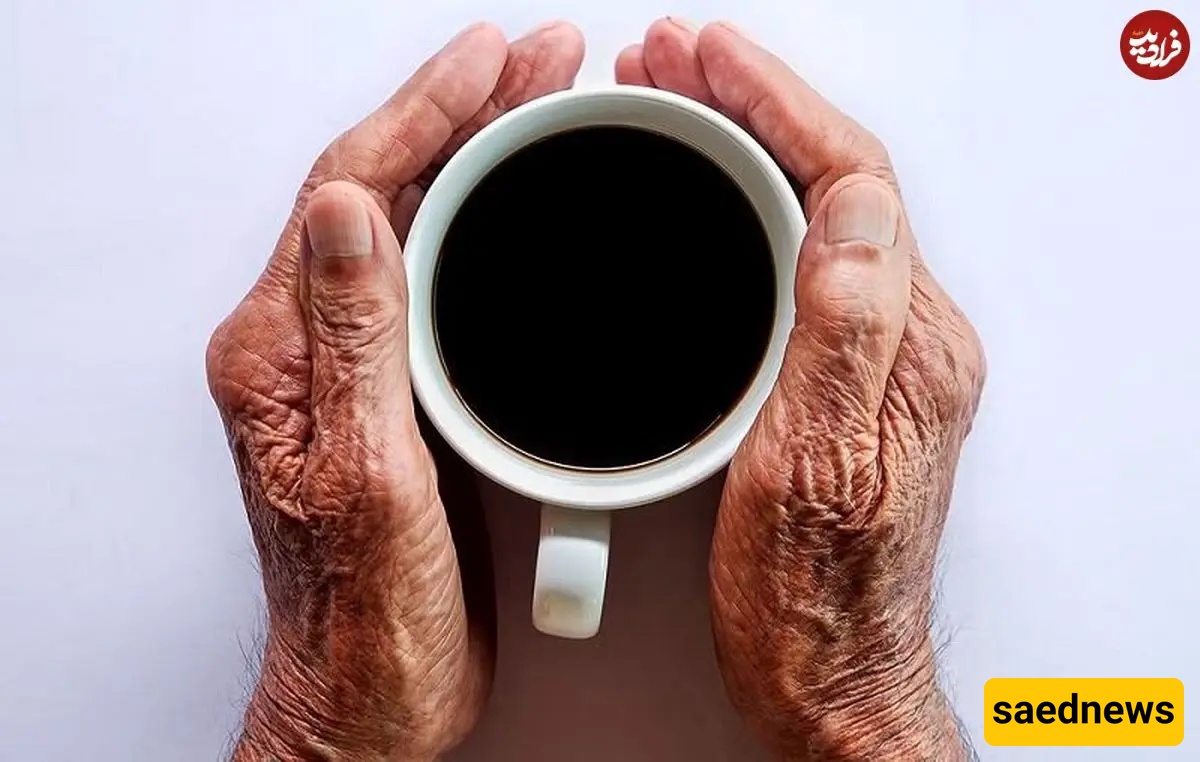
According to SAEDNEWS, in a study published in March 2026 in the journal Nutrients, researchers at Texas A&M College of Veterinary Medicine and Biomedical Sciences found that coffee can activate NR4A1, a receptor in the body known for its role in aging, stress response, and disease. These findings provide a potential explanation for the beverage’s broad health effects, which were previously linked to reduced risk of cognitive decline and more.
As Dr. Stephen Safe, the study’s lead author, explained in a press release, the researchers examined which compounds in coffee affect receptor activity. Interestingly, caffeine was not the most prominent factor. Instead, plant-based polyhydroxy and polyphenolic compounds showed stronger activity.
Dr. Safe added that this may explain why both regular and decaffeinated coffee have been associated with similar health benefits in large population studies.
Although the study does not prove direct causation in humans, it helps clarify underlying biological processes.
Therefore, the findings are good news for coffee lovers, but Safe noted that much more research is still needed.
He said: “We have established a connection between coffee and its protective effects against aging and chronic diseases, but we need to better understand the significance of this relationship.”
Another study published a few months earlier suggested that drinking up to 3–4 cups of coffee per day may help slow biological aging in people with severe mental illnesses.
The findings showed that this level of coffee consumption is associated with longer telomeres, a marker of cellular aging that may correspond to about five years less biological age compared to non-coffee drinkers.
However, the study found that consuming more than this amount does not provide additional benefits. The limit of 3–4 cups per day aligns with maximum recommended daily intake from major health organizations, including the UK National Health Service (NHS) and the U.S. Food and Drug Administration (FDA).