SAEDNEWS: Separation or divorce is a highly stressful experience for everyone involved. For children, however, the impact of parental divorce often feels like their entire world has been turned upside down. In this article, we’ll explore ways to help reduce the effects of divorce on children.
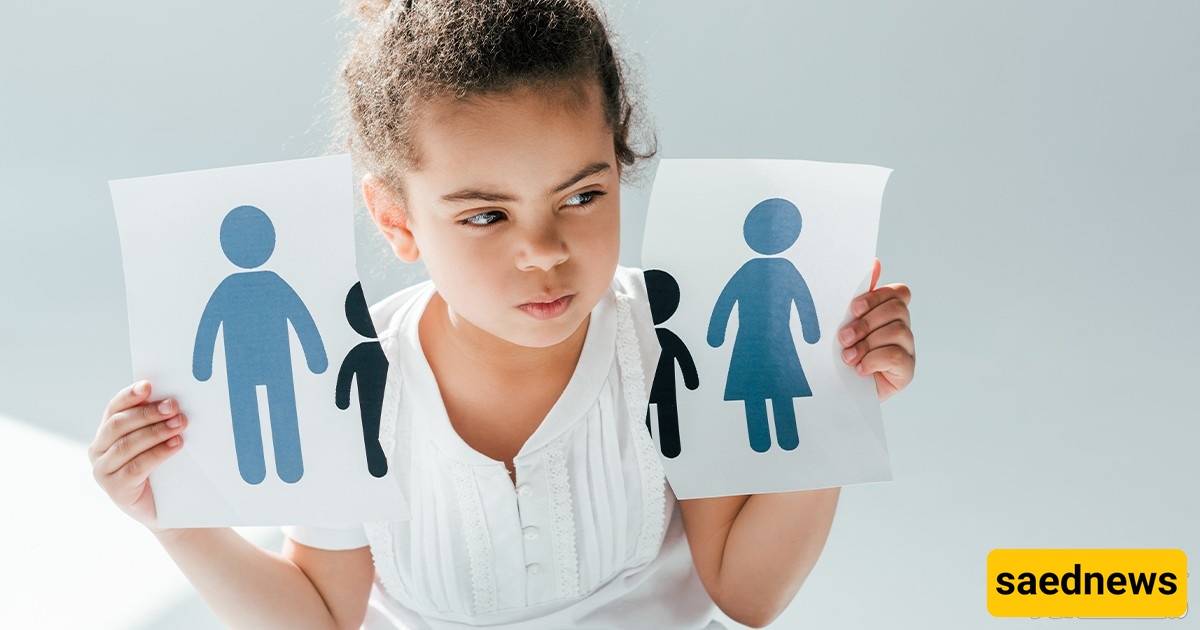
According to the Family Magazine service of Saed News, witnessing the dissolution of parents’ marriage and the breakdown of the family can be distressing at any age. Children may experience shock, uncertainty, or anger. Some may even feel guilty, blaming themselves for the situation. Parents, in turn, face multiple challenges such as depression, financial difficulties, fear, and loneliness. One of the most significant challenges after separation is parenting. This is particularly complex for the parent who has custody of the child. However, a mature and mindful parent can use specific strategies to reduce the negative impact of divorce on their child and significantly enhance their child’s resilience after the parents separate.
Helping Children Understand Divorce
Psychologists offer guidance to parents who must raise children alone due to divorce. One of the first steps is explaining the reasons for the separation to the child. Many adults assume, “Children won’t understand,” but the real problem is often not knowing how to communicate. Children fully grasp situations when explanations are provided in language they can understand. Avoid vague generalizations and provide clear, age-appropriate explanations.
Since children of divorced parents often fear the future, reassure them about what lies ahead. Clarify who will care for them and where they will live. Affirm your love and support, and emphasize that both parents made the decision to separate together.

A Bitter Ending Is Better Than Endless Conflict
Parental separation can negatively affect children’s emotional well-being. Feelings of rejection, loneliness, or lack of a family are common struggles. However, living with parents who constantly argue is often worse than divorce. If parents have ongoing conflict before divorce, a clear separation can provide relief.
Avoiding Conflict in Front of Children
Children need opportunities to express their emotions. Encourage your child to share feelings through talking, drawing, or writing. Respect their emotions. They don’t have to explicitly talk about the divorce; for example, if your child expresses anger, focus on discussing that emotion rather than the divorce itself.
Maintaining Parental Connection
Explain that the parent who does not have custody still loves them. Children benefit from regular communication and clear commitment to visits or calls, which maintains closeness with both parents—a critical factor in emotional development.
Minimizing Conflict With Your Ex-Partner
The way parents interact post-divorce has a profound impact on a child’s present and future. A positive outcome of divorce is the cessation of parental conflict. Ongoing disputes increase stress and anxiety, potentially causing physical symptoms like headaches or stomachaches. Strive for a respectful, conflict-free relationship with your ex-partner and avoid creating distrust toward them.

Respecting Your Child’s Relationship With the Other Parent
Do not force your child to judge or choose sides. Honor their relationship with the other parent, avoiding interference. Teach children to love both parents and refrain from criticizing your ex. Children are perceptive and notice subtle cues in words, facial expressions, and body language. Model respectful behavior to maintain healthy relationships.
Balanced Time With Both Parents
Research shows that children who maintain close, secure relationships with both parents after divorce experience fewer emotional problems. Establishing a balance and ensuring your child feels safe in both households is essential. Age-appropriate arrangements may vary, for example, between a school-aged child and a younger child.
Consistency and Stability
Divorce can make children feel insecure. Establish routines to provide structure and predictability. Avoid major changes in sleep, meals, or daily activities, even if you disagree with your ex’s schedule. A consistent environment helps mitigate the disruptive effects of divorce.
Planning for the Future
Assure your child that they will continue to participate in family events on both sides and maintain friendships. Involve them in age-appropriate decisions at home to give them a sense of control. Avoid unnecessary changes like switching schools unless absolutely necessary.
Reduce Uncertainty
Children often fear the unknown. Explain plans clearly and highlight what remains unchanged. Avoid using your child as a confidant for your frustrations; they are not emotional support for adult issues. Children should not be involved in court appearances or used to gain sympathy.
Preventing Feelings of Emptiness
Children may feel isolated if they think their situation is unique. Reassure them that many children live apart from one parent and still thrive. Respect their privacy and teach them that personal family matters need not be shared with others.
Avoid Rushing Into a New Relationship
Both parents need time to heal after divorce before entering a new relationship. Introducing a new partner too soon can create stress and insecurity for the child. Wait at least a year before involving a new partner, allowing your family to adjust. When ready, explain the situation to your child honestly, encouraging them to share their feelings.
Seek Professional Guidance
Divorce can trigger regret and impulsive decisions, particularly without proper consultation. Qualified psychologists can help navigate challenges, reduce stress for children, and develop effective solutions for post-divorce life.
Final Thoughts
Children may react strongly to divorce, often expressing anger toward one or both parents. Shock and behavioral challenges are common. Preparing children mentally and emotionally before and during the divorce with professional guidance is crucial to minimize harm and foster resilience.