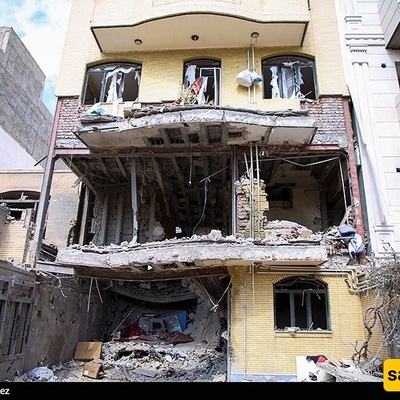
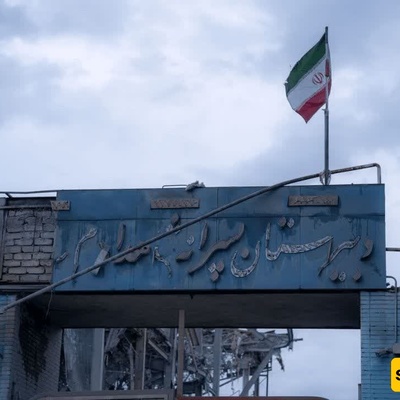
SAEDNEWS: In recent years, factors such as climate change, human negligence and harmful behavior, and war have taken a heavy toll on historic sites worldwide, pushing many toward complete destruction.
According to the History and Culture Desk of Saed News, more than 1,000 historical sites have been registered as UNESCO World Heritage sites. Of these, around 830 are cultural landmarks, recognized for their immense historical, cultural, or scientific value. Despite numerous conservation agreements, approximately 50 of these sites are at risk of total destruction and require urgent attention. Some of the most threatened include:
Chan Chan Archaeological Zone, Peru
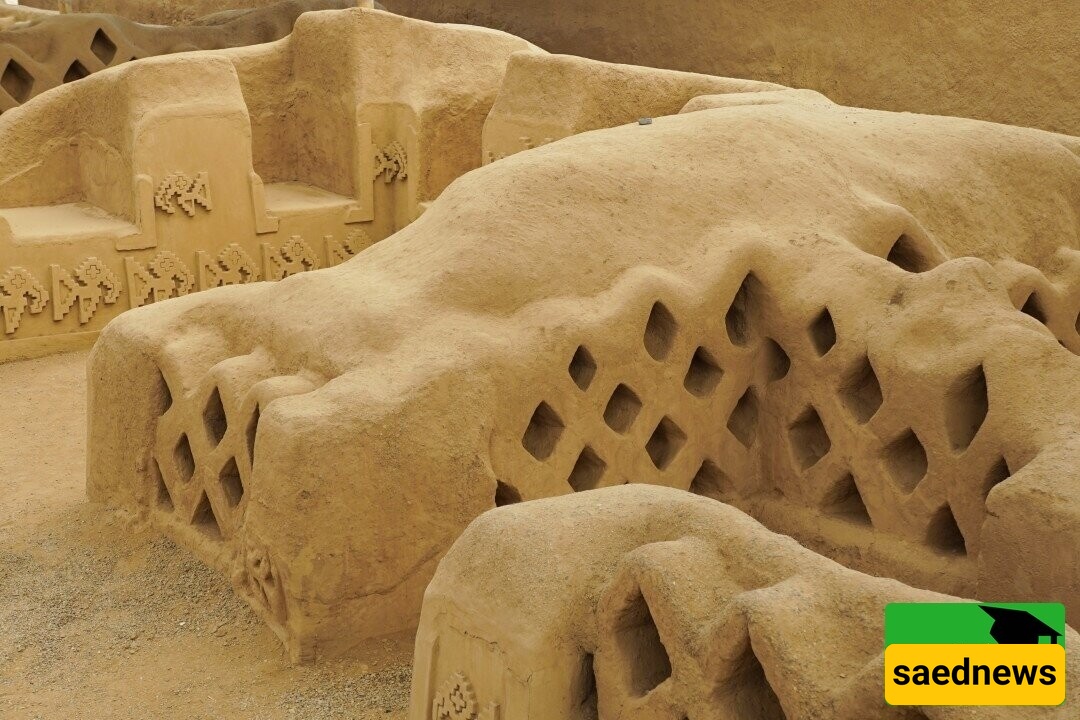
Chan Chan, a city built of adobe, served as the capital of the Chimú civilization. Located in the Moche River Valley, near modern-day Trujillo, the city is considered the largest pre-Columbian city in the Americas. Chan Chan was listed as a UNESCO World Heritage site in 1986, the same year it was added to the list of endangered sites. Threats include unsustainable agriculture, legal disputes over land ownership, and uncontrolled urban development and infrastructure expansion.
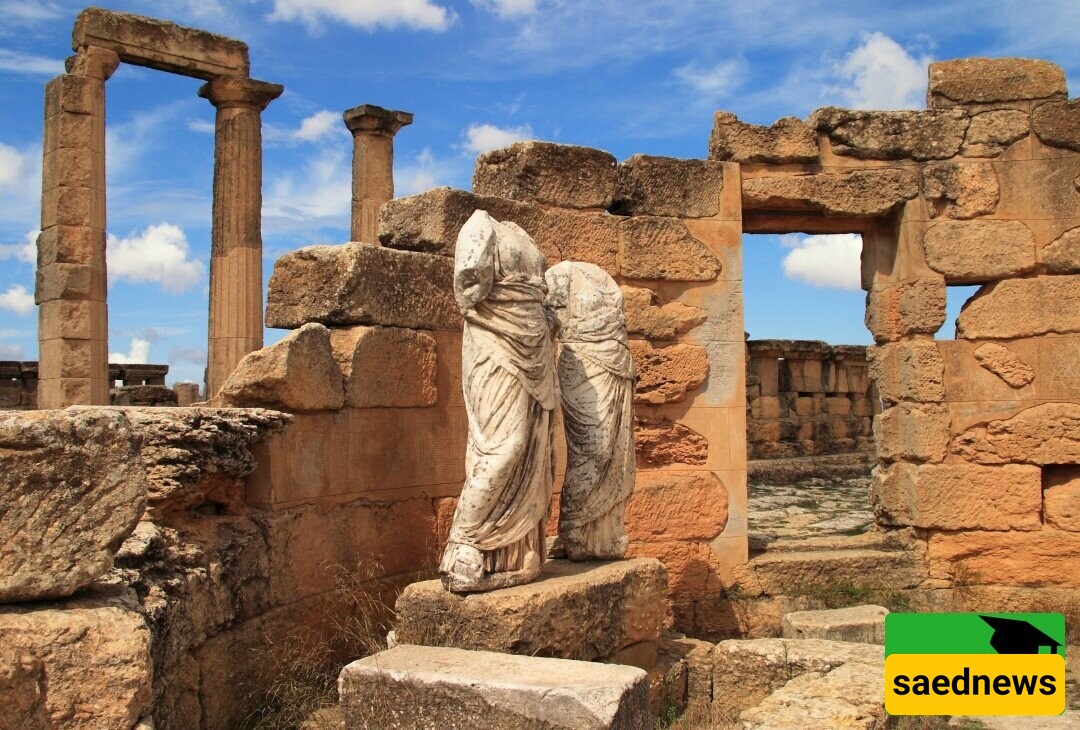
Cyrene Archaeological Site, Libya
Founded by Greek settlers from the island of Thera, Cyrene was a key city during the Hellenistic era. The Romans later took control and continued its development until earthquakes struck in 262 and 365 CE. According to the Libya Observer, UNESCO added Cyrene and five other archaeological sites to the endangered list in 2016 due to ongoing internal unrest in Libya.
Liverpool, England
Liverpool was a major commercial hub during the 18th and 19th centuries, with its docks serving as critical trade gateways. In 2012, a massive dock redevelopment plan was approved, prompting UNESCO to place the city on the list of World Heritage sites at risk.

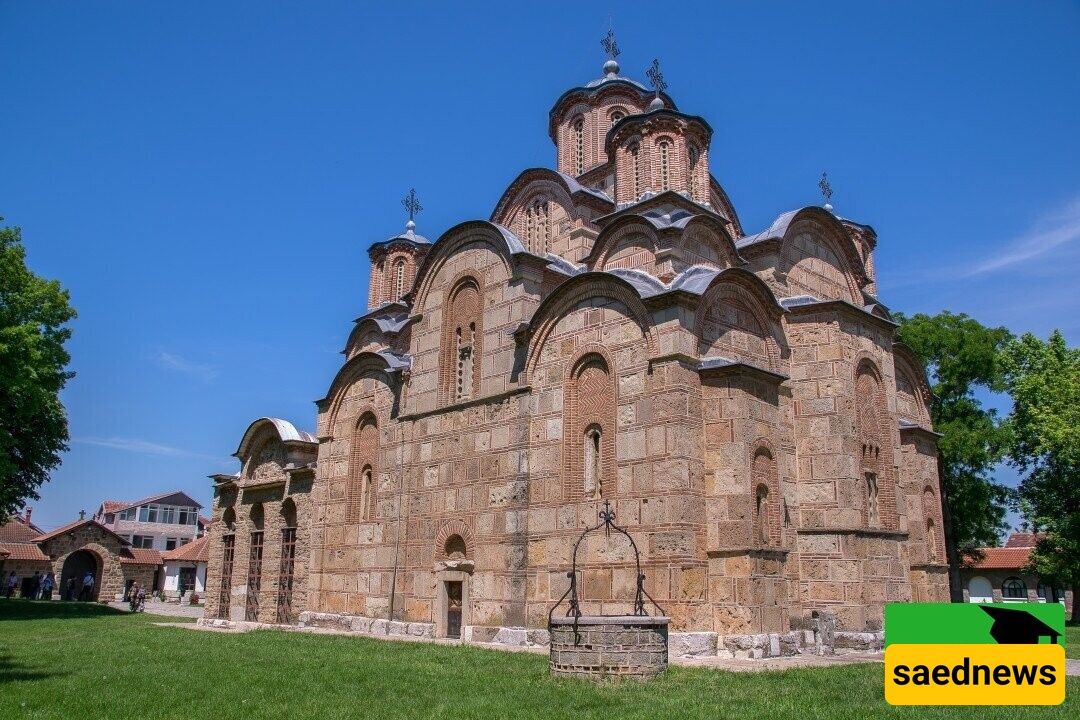
Medieval Monuments in Kosovo
Kosovo’s medieval monuments, including the Dečani Monastery, Illyrian Monastery, the Church of the Apostles, and the Church of the Holy Virgin, exemplify the peak of Byzantine-Romanesque architecture. Due to growing regional instability and insufficient preservation efforts, UNESCO added these sites to the endangered list in 2006.
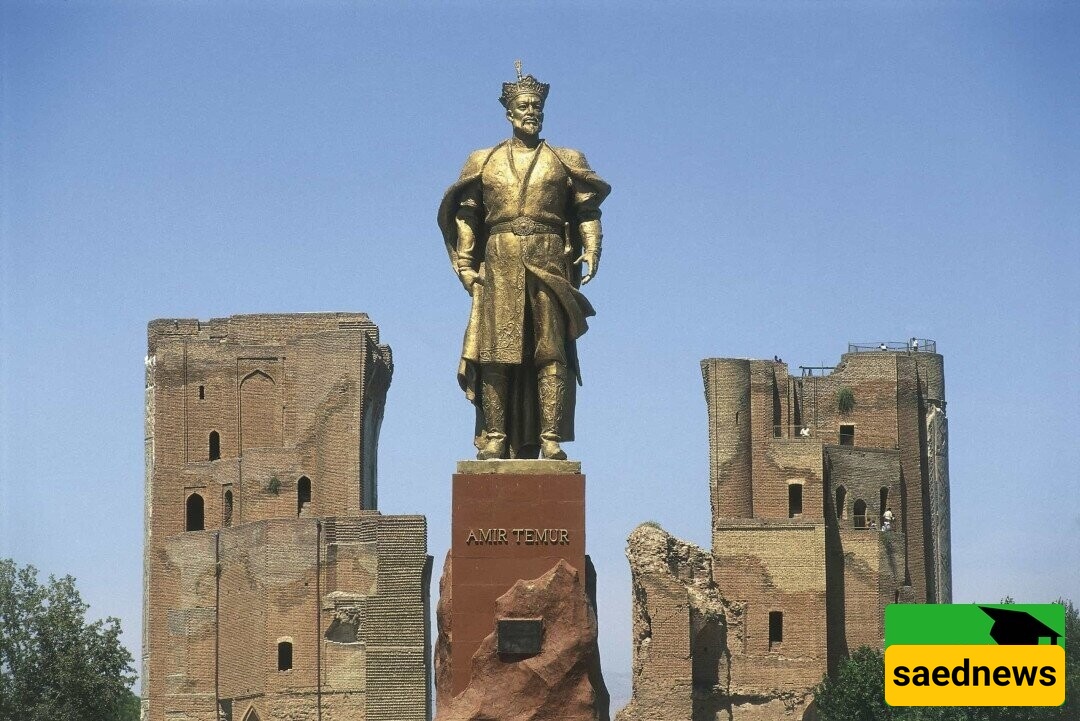
Shahrisabz, Uzbekistan
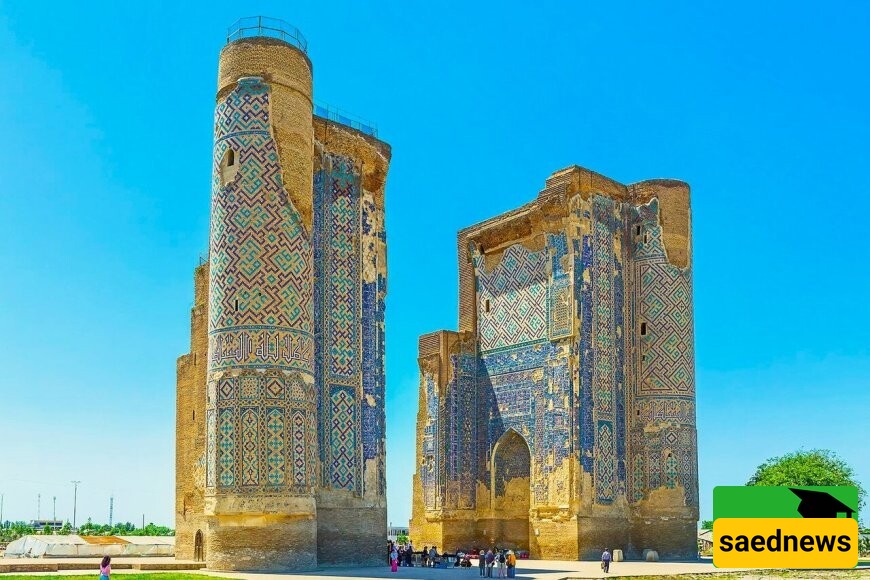
Shahrisabz, also known as Kesh, sits along the southern Silk Road and has a history spanning over two millennia. It was a prominent cultural, political, and commercial center during the 14th and 15th centuries. Modern tourism infrastructure development, which threatens historical sites, led UNESCO to designate Shahrisabz as endangered in 2016.
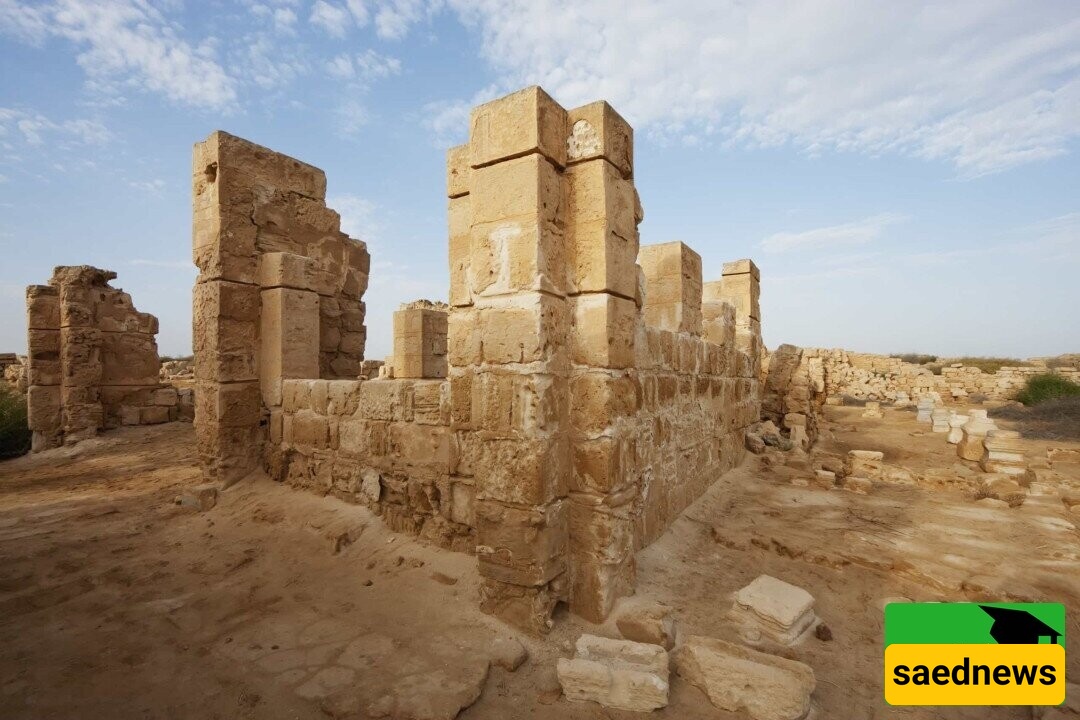
Abu Mena, Egypt
Abu Mena is significant for its monasteries, shrines, and the tomb of Saint Menas. In 2001, certain agricultural activities caused rising groundwater levels, which damaged the site and raised concerns about its long-term preservation.