SAEDNEWS: The site known as “Nabta Playa” in Egypt is an ancient stone circle that researchers believe was once used to mark the summer solstice and predict rainfall.
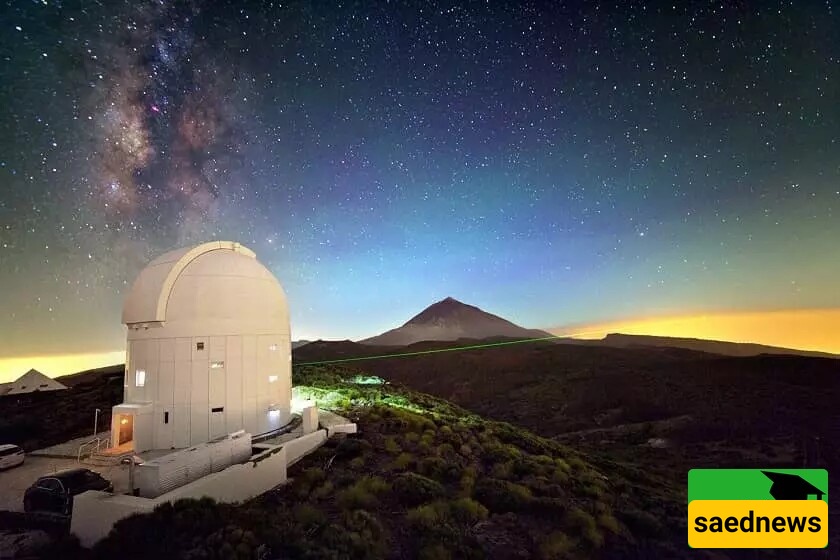
According to the History and Culture Desk of Saed News, Nebta Playa—or as the ancient Egyptians themselves called it, “Nebta Belaya”—is an ancient stone circle in the Egyptian desert that may be the world’s oldest astronomical observatory. Located in a remote desert region in southern Egypt, about 280 kilometers southwest of Aswan, Nebta Playa was once home to the ancient Nubians. The site dates back at least 7,500 years, making it roughly 2,000 years older than Stonehenge in England.
Originally, Nebta Playa consisted of dozens of standing stones, each several meters high, scattered across the desert about 100 kilometers west of the Nile. Evidence suggests the stones were deliberately arranged in a circle to align with the rising of specific stars.
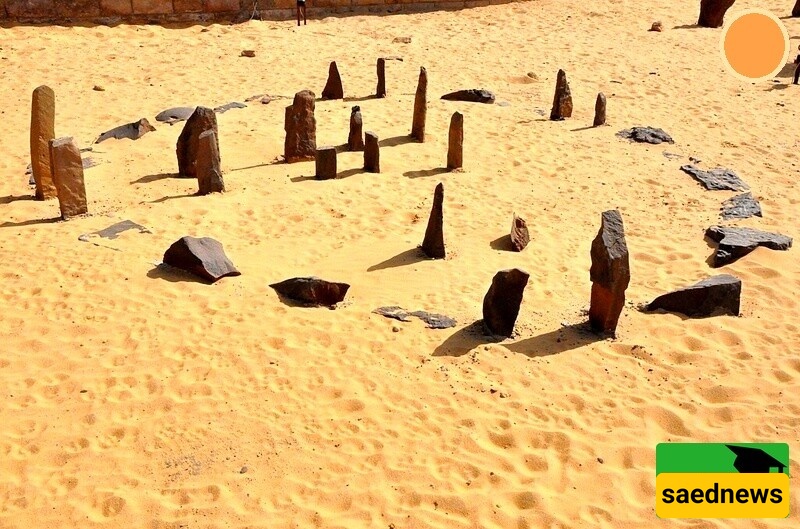
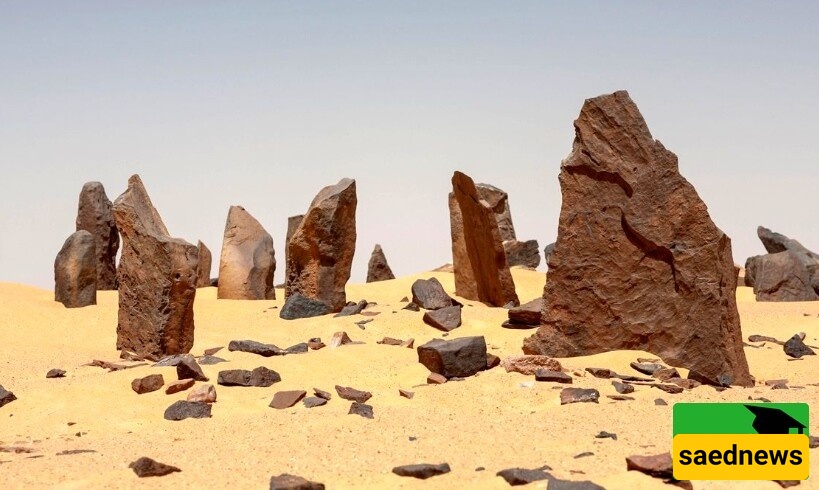
Six inner stones may have been used in rituals or to mark important celestial alignments. These were originally surrounded by 29 standing stones, which some researchers believe formed an early type of calendar.
Excavations in 2001 of the tomb-like center of the circle yielded no human remains—but a complete cow skeleton was found. This, along with other evidence, suggests that Nebta Playa was constructed by ancient people who herded cattle between seasonal lakes.
Researchers propose that the distinct stones in the “calendar circle” may represent the sunrise during the summer solstice, signaling to Stone Age people that rain was on the way and the lakes would soon refill.
Additionally, three of the central stones may depict Orion’s Belt, while others align with seasonal risings of prominent stars such as Canopus, Vega, and Alpha Centauri.