SAEDNEWS: Archaeologists have uncovered a 5,000-year-old jade dragon from China’s Neolithic Hongshan culture, found with human remains and pottery in a Chifeng tomb. While it highlights Hongshan’s flourishing culture, some researchers question its uniqueness.
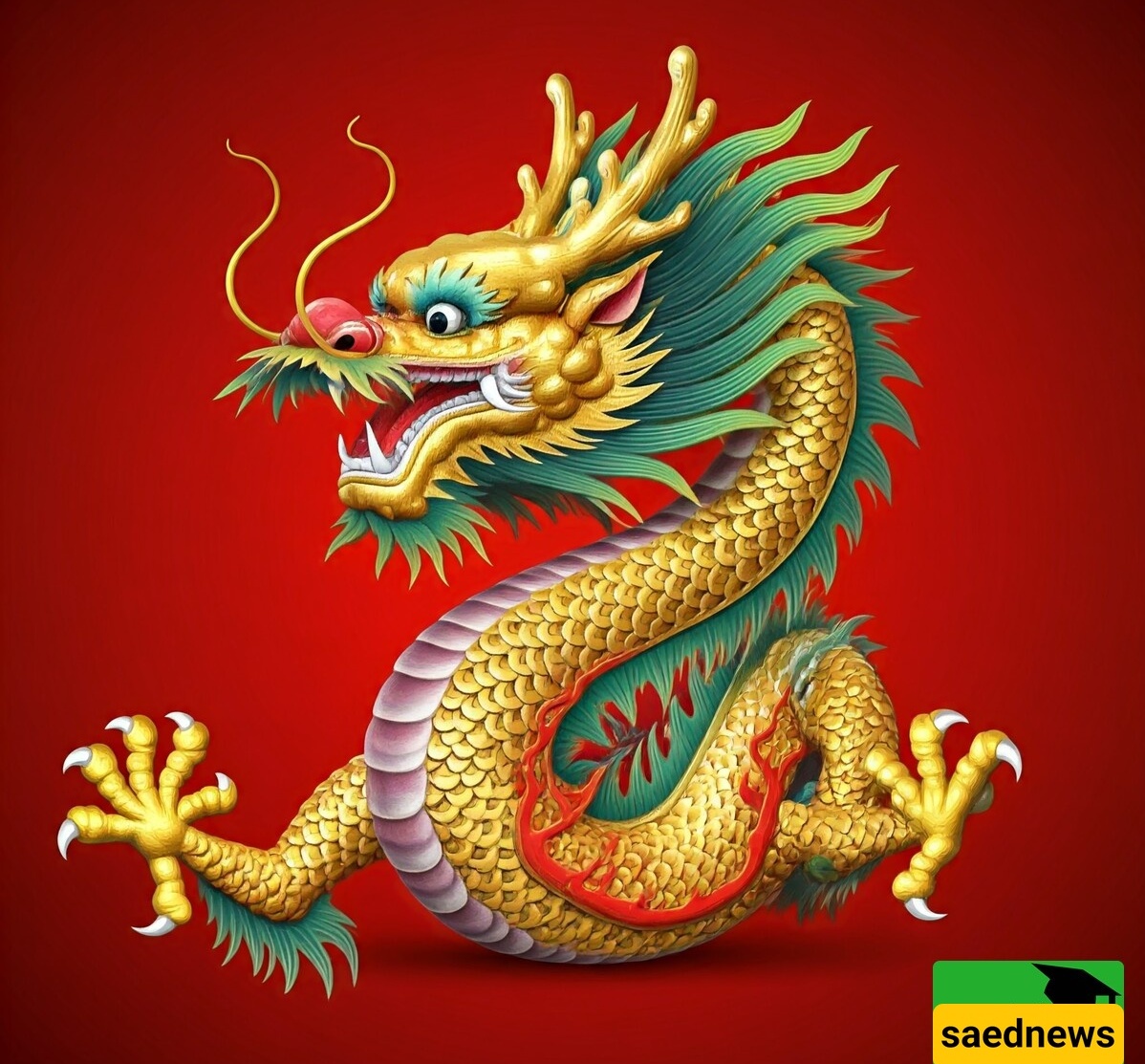
According to the History and Culture Service of Saed News, a jade dragon—believed to date back to the Hongshan civilization—has been discovered inside a circular tomb featuring a square altar on its southern side. The dragon measures 15.8 centimeters in length and 9.5 centimeters in width. Alongside it, archaeologists uncovered human remains as well as a large number of pottery objects, including cups, basins, and tripod-shaped vessels.
Located in Chifeng, within China’s Inner Mongolia Autonomous Region, the tomb is estimated to be between 5,000 and 5,100 years old, dating to the peak of the Hongshan culture in the region. People of this Neolithic civilization cultivated crops, built large cities with monumental structures, and created intricate artifacts. This recent find represents the largest jade dragon yet discovered from the Hongshan culture.
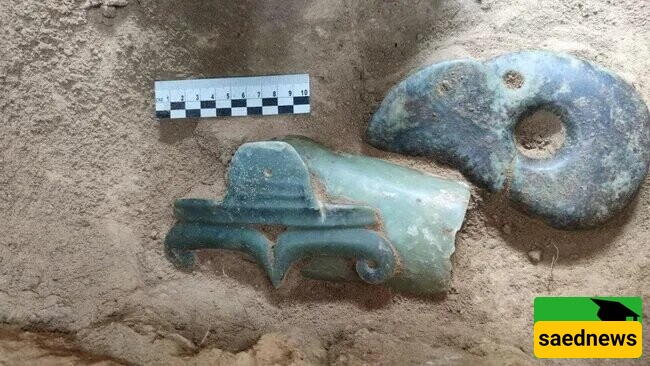
Although the discovery is remarkable, an East Asian studies researcher cautions that the dragon is not necessarily unique. According to the scholar, similar jade dragon artifacts of comparable size have been found in other Hongshan tombs. It is also unclear whether this particular piece—or earlier examples—depict a dragon at all, raising questions about what such artifacts actually symbolized within the Hongshan Neolithic civilization. Calling it a “dragon” may therefore be premature.
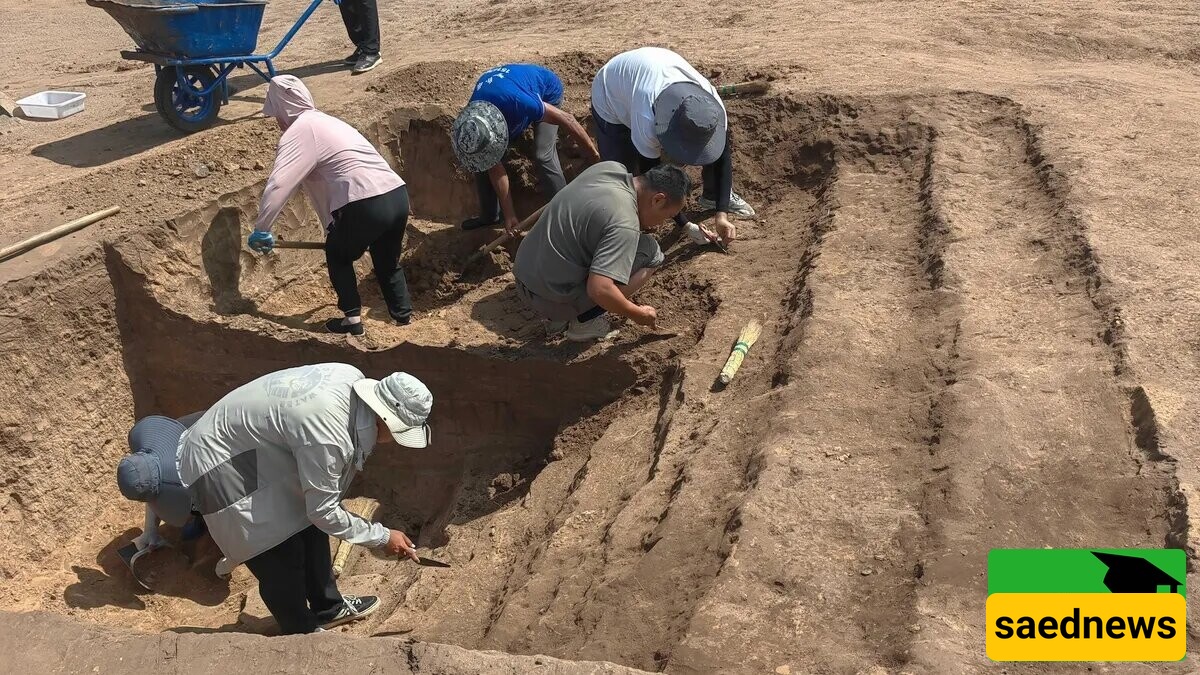
The site where human remains were found is more than a simple tomb. Researchers suggest it is a ritual structure that contained the burials of select individuals. The scholar notes that a similar structure was identified in earlier excavations at another Hongshan site known as Niuhuang.