SAEDNEWS: A diet for individuals with minor thalassemia should be designed to control iron absorption and keep it as low as possible. Foods that reduce iron absorption are the best choices for people with minor thalassemia.
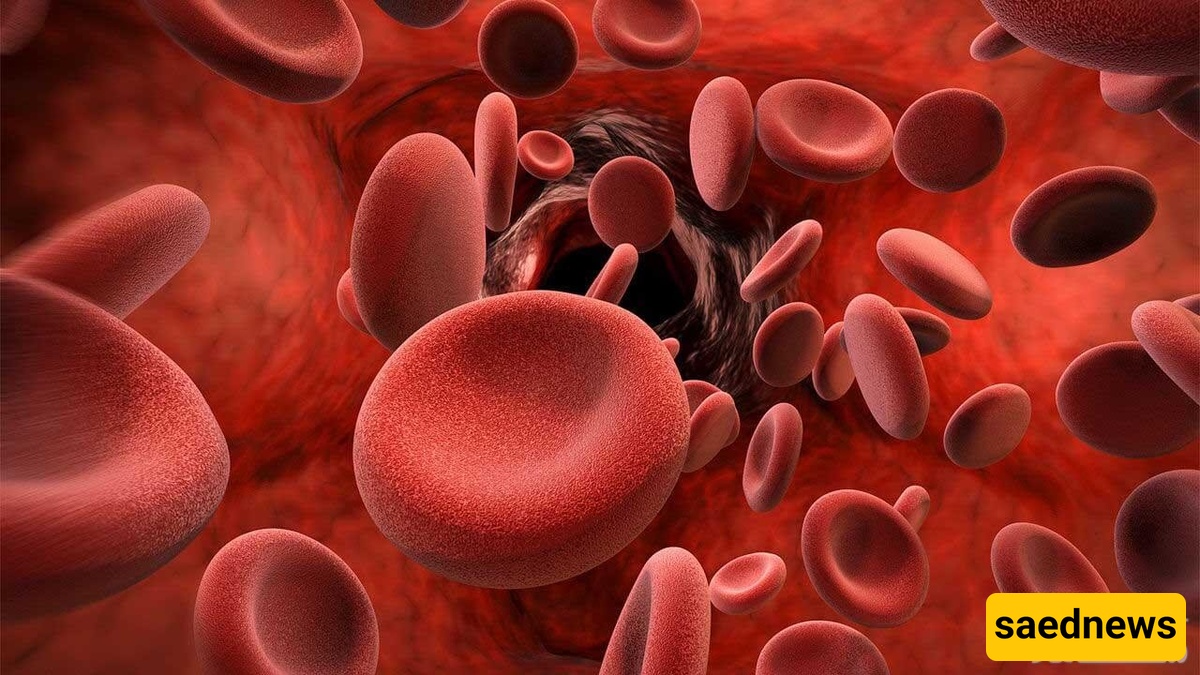
According to Saed News Health Service, another name for minor thalassemia is mild anemia. People with minor thalassemia typically do not require medical treatment after diagnosis. The main concern for these individuals lies in diet and nutrition. The key principle: avoid foods high in iron.
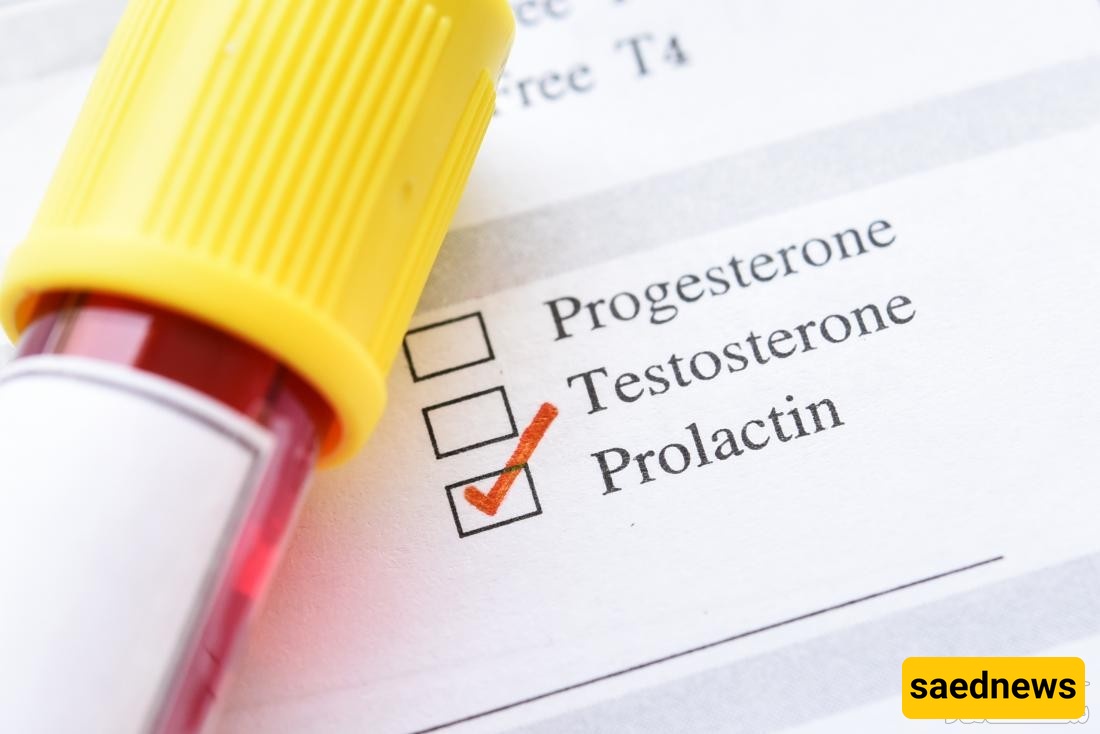
Patients with minor thalassemia are prone to iron overload, mainly due to frequent blood transfusions. Even though the body absorbs only a small amount of dietary iron, absorption increases when hemoglobin levels are low. For thalassemia patients—both during and between transfusions—iron intake must be carefully monitored by a nutrition specialist. Therefore, alongside transfusions, dietary management is crucial to reduce iron absorption.
In healthy individuals, only a small fraction of dietary iron is absorbed. In those with anemia, including thalassemia, iron absorption increases. Patients are advised to structure their diets to minimize iron uptake.
Foods That Help Limit Iron Absorption:
Whole Grains and Legumes
Foods like whole grains, legumes, and soy contain phytates (phytic acid), which reduce iron absorption. Pairing non-heme iron foods with grains, nuts, and legumes can help regulate iron intake.

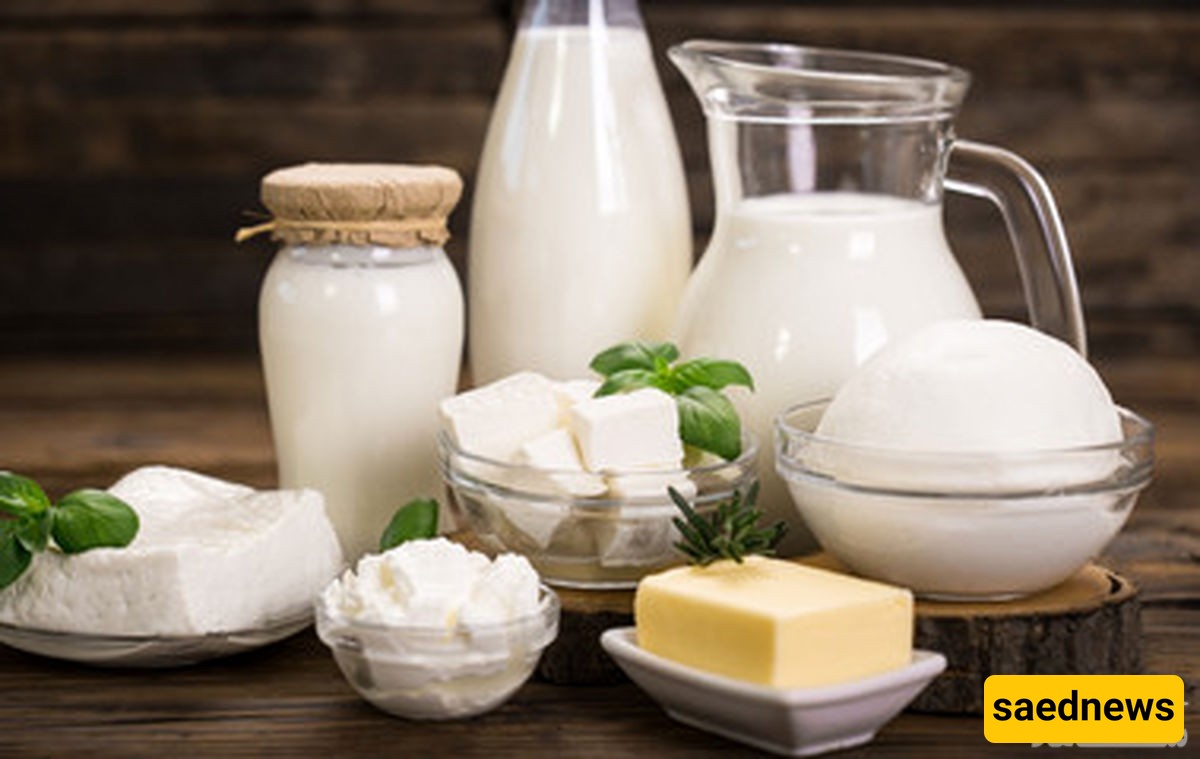
Dairy Products
Calcium plays a key role in bone health and also blocks iron absorption. Milk, cheese, yogurt, and other dairy products are essential for a thalassemia-friendly diet.
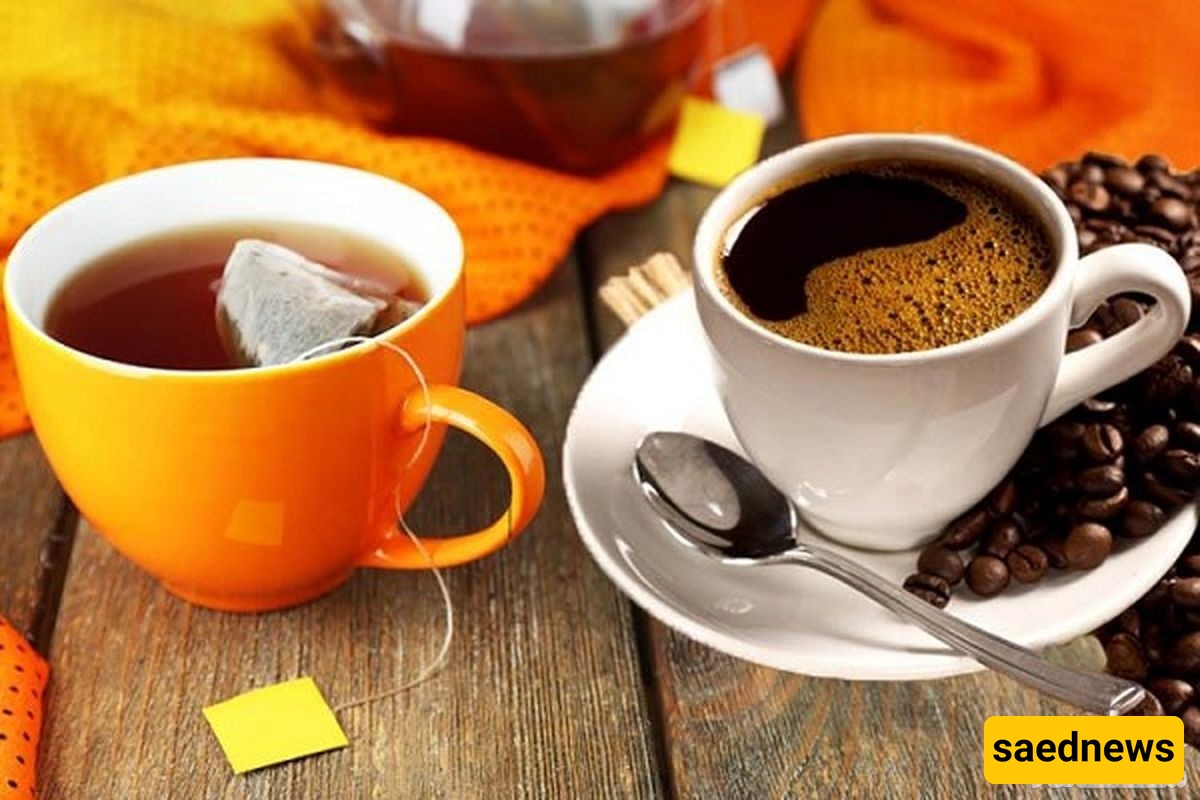
Tea and Coffee (Polyphenols)
Drinking tea or coffee during or immediately after meals inhibits iron absorption. These popular beverages can be especially beneficial for people with minor thalassemia.
Foods to Avoid for Minor Thalassemia:
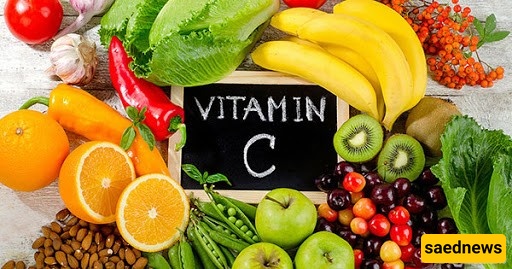
Vitamin C: Iron’s Best Friend, Thalassemia’s Enemy
Vitamin C increases iron absorption. Many fruits (especially citrus) and vegetables (fenugreek, chives, bell peppers, parsley, cauliflower, arugula, etc.) are high in vitamin C. Eating them with non-heme iron foods boosts iron absorption and should be avoided.
Red and White Meat
Red meat, chicken, and fish not only contain high amounts of iron themselves but also increase the absorption of iron from other foods.

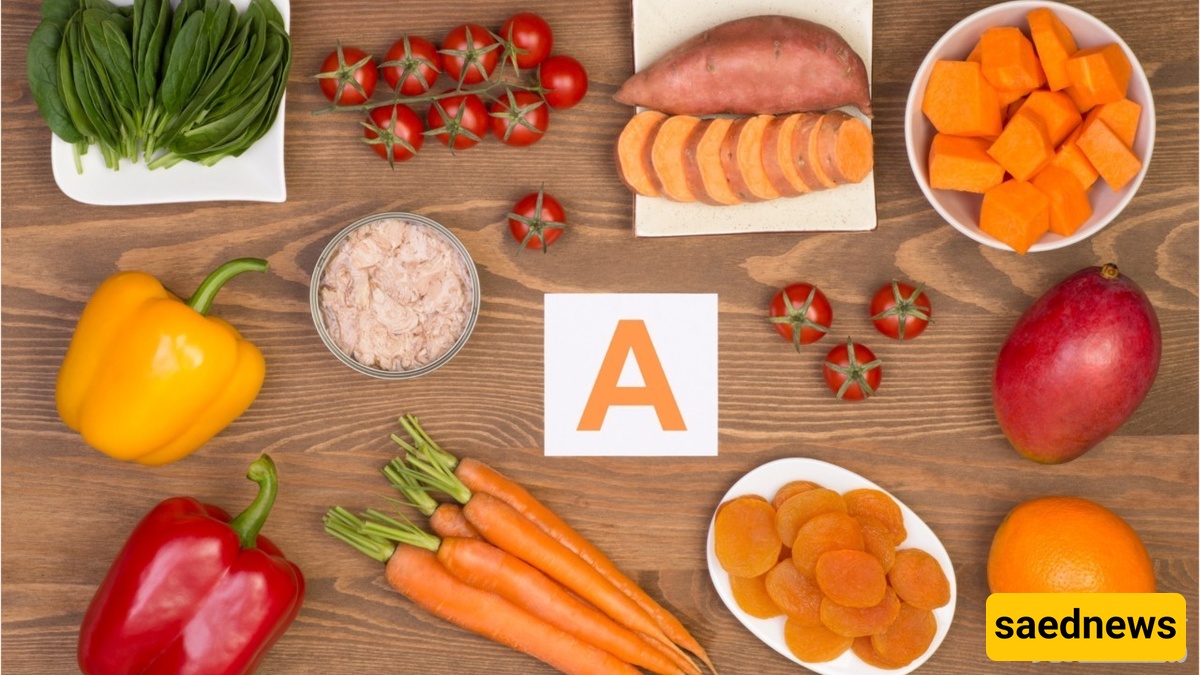
Vitamin A and Beta-Carotene
While Vitamin A supports vision, immunity, and bone growth, it also enhances iron absorption when consumed with iron-rich foods. Beta-carotene, a red-orange pigment found in plants, converts to vitamin A in the body and has the same effect.