SAEDNEWS: Mirror work is the art of creating regular forms by using small or large pieces of mirror mosaics, and is used as a decoration in internal architectural spaces.
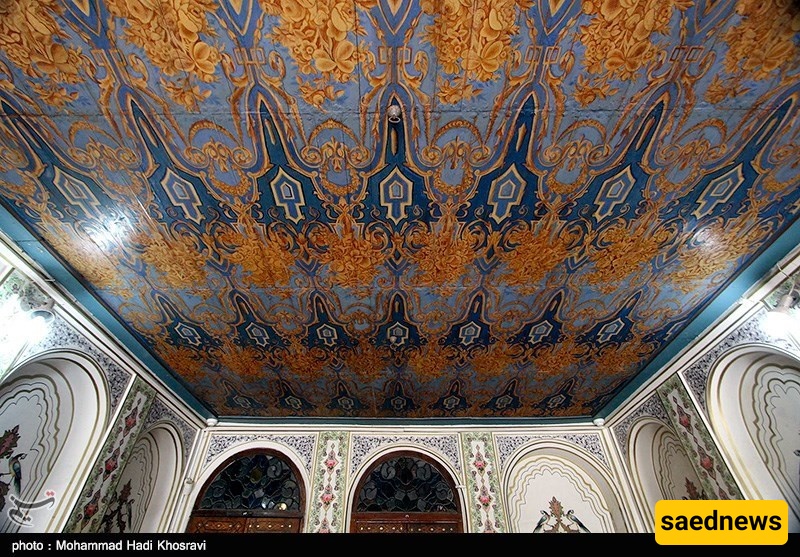
Mirror work doesn’t just enhance architectural decoration—it transforms spaces by multiplying light through reflections. Considered one of Iran’s last major innovations in architecture and interior design, mirror work has deep historical roots. Archaeologists have uncovered numerous glass artifacts from the Parthian and Sassanid periods, suggesting that glass craftsmanship has been practiced in Iran for millennia.
In Iranian culture, mirrors and water symbolize purity, fortune, honesty, and light. It’s likely that mirror work draws directly from these associations. By the 19th century, mirror decoration had surged in popularity. Exquisite mirrored vases made in Germany were imported to Iran, where artisans would cut them into mosaic patterns to suit their architectural needs.
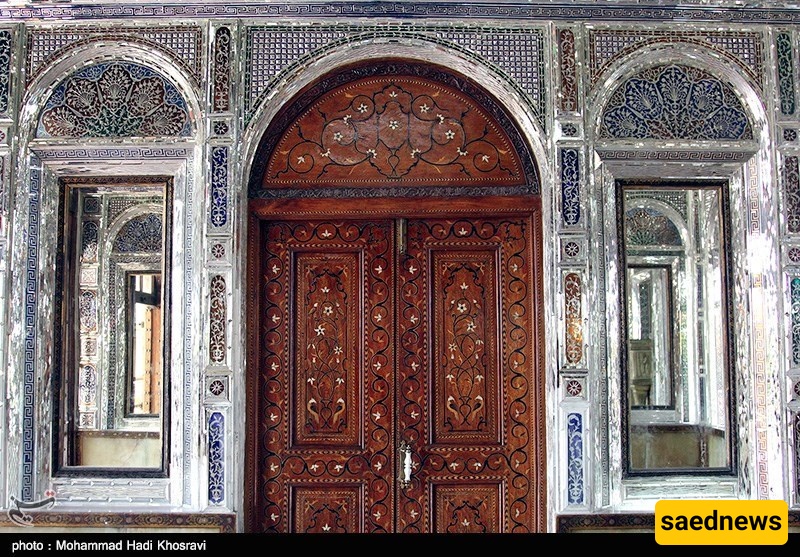
Early mirror installations often featured large, single-panel mirrors. The Chehel Sotoun (“Forty Columns”) palace in Isfahan offers a famous example: a mirror over one entrance reflected passing visitors so clearly that it became a spectacle in itself. Over time, however, mirrors were cut into smaller pieces.
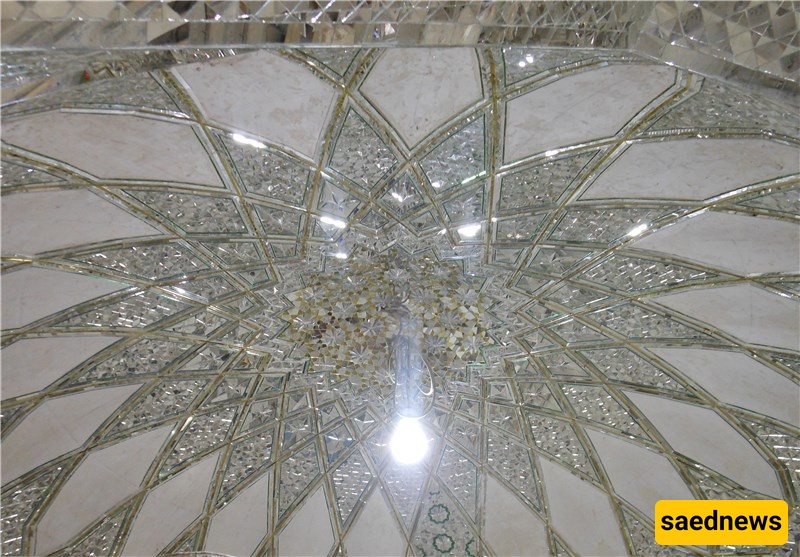
By the late 19th century, architects were using mirrors in small triangular, diamond, or hexagonal shapes—and even convex glass panels that acted like mirrors. During the Qajar dynasty, a new architectural style emerged, blending Safavid influences with innovations inspired by Western art. While Iranian architecture had generally declined before this period, Naser al-Din Shah’s reign brought renewed attention to applied arts, including stucco, mirror work, and mosaics. Royal palaces and shrines were lavishly adorned with mirrors, creating dazzling interiors.
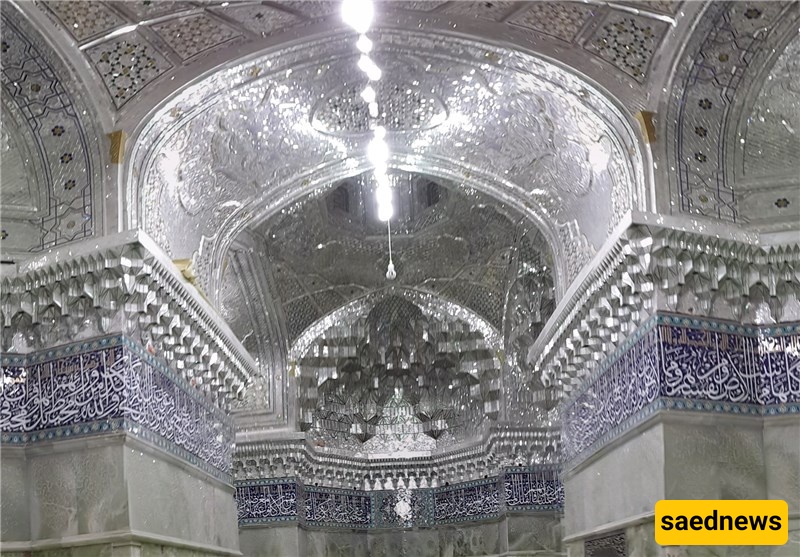
Qajar-era mirror work became increasingly intricate, featuring Muqarnas (stalactite-like ornamentation), arabesques, painting, and calligraphy on reflective surfaces. Today, masterpieces like the “Mirror Hall” of Golestan Palace and Shams-Ol-Emarat showcase the unparalleled artistry of the era. Shiraz, Isfahan, and Tehran remain the primary centers of Iran’s mirror-work tradition.