SAEDNEWS: Donald Trump has recently projected an increasingly inconsistent public image, speaking of peace and conflict, victory and fear. While many see this as a sign of psychological pressure, this perspective argues that the real cause is two major strategic failures that have weakened the foundation of the "maximum pressure" doctrine.
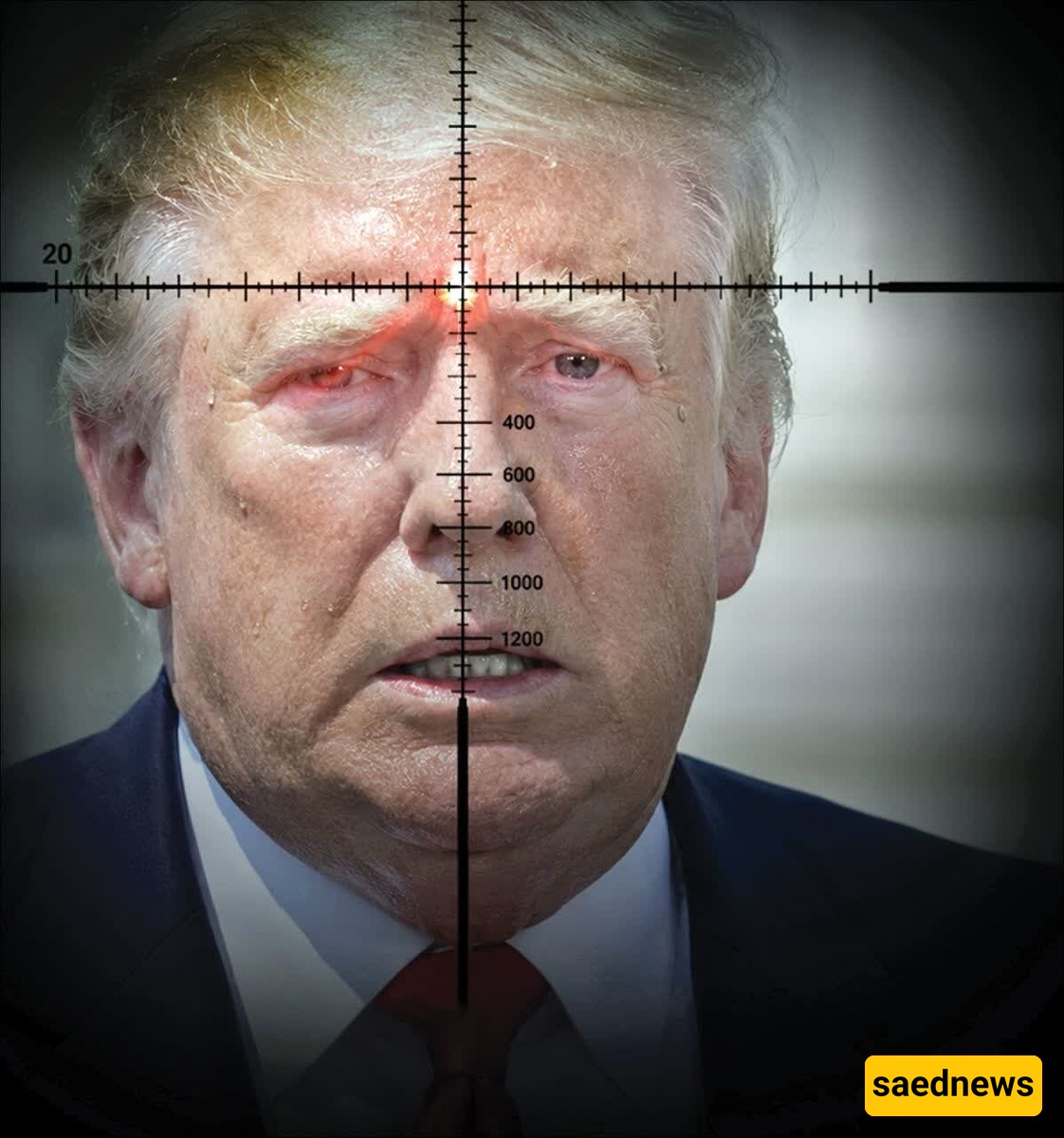
According to Saednews political report published by the Iranian news outlet Saad News, the source argues that two ideas dominate Donald Trump’s rhetoric and state of mind: the Strait of Hormuz and the prospect of retaliation. The article presents these as the central factors behind what it describes as Trump's political and psychological distress.
The first issue is the Strait of Hormuz, which the article portrays as a critical strategic chokepoint. It argues that despite America's military strength, the United States has been unable to neutralize Iran's influence over this vital maritime route. According to the article, alternative regional trade initiatives and transportation corridors have failed to replace the strategic importance of the strait. It further claims that military operations against Iranian infrastructure did not achieve their intended objectives and contends that any disruption to oil shipments through the Strait of Hormuz would raise global energy prices, increase gasoline costs in the United States, and ultimately create political pressure on the American president. In this narrative, the strait is presented as both an economic and diplomatic challenge for Washington.
The second issue discussed is retaliation. The article claims that Trump has acknowledged being a primary target of Iranian threats and quotes him as saying that he has survived through luck but cannot assume that fortune will continue indefinitely. The author interprets these remarks as evidence of personal anxiety, arguing that a leader who once projected confidence and military superiority is now expressing concern about his own security. According to the article, this represents a reversal of the traditional balance of fear between Iran and the United States.
The article argues that these two pressures operate simultaneously. On one hand, the Strait of Hormuz allegedly undermines Trump's public image by demonstrating limits to American influence and placing economic pressure on the United States. On the other hand, the prospect of retaliation is portrayed as a personal burden affecting him privately. Together, the author claims, these factors produce what is described as a political and psychological breakdown.
The report concludes that Trump's aggressive rhetoric should be interpreted not as a sign of strength but as evidence of weakness. It argues that economic sanctions and military threats have become less effective tools of pressure, while Iran has allegedly gained leverage through strategic geography and deterrence. In the author's view, every hostile statement or threat reflects underlying concerns about the Strait of Hormuz and the possibility of retaliation. The article ultimately concludes that Iran has achieved a strategic victory by placing sustained economic and psychological pressure on its principal adversary without direct military confrontation.