SAEDNEWS: A combination of chicory extract and fumitory extract, known for their antioxidant and anti-inflammatory properties, may support liver cleansing and help reduce liver enzyme levels in individuals with fatty liver disease.
According to Saednews, Fatty liver disease has become one of the most common modern health problems due to sedentary lifestyles, unhealthy eating habits, and increased consumption of processed foods.

This condition, characterized by the accumulation of fat inside liver cells, often shows no obvious symptoms in its early stages. However, if it progresses, it may lead to liver inflammation, fibrosis, and even cirrhosis. In traditional Iranian medicine, several medicinal plants have been recommended for supporting liver health and preventing fatty liver disease. Among them, chicory and fumitory herbal extracts hold a special place.
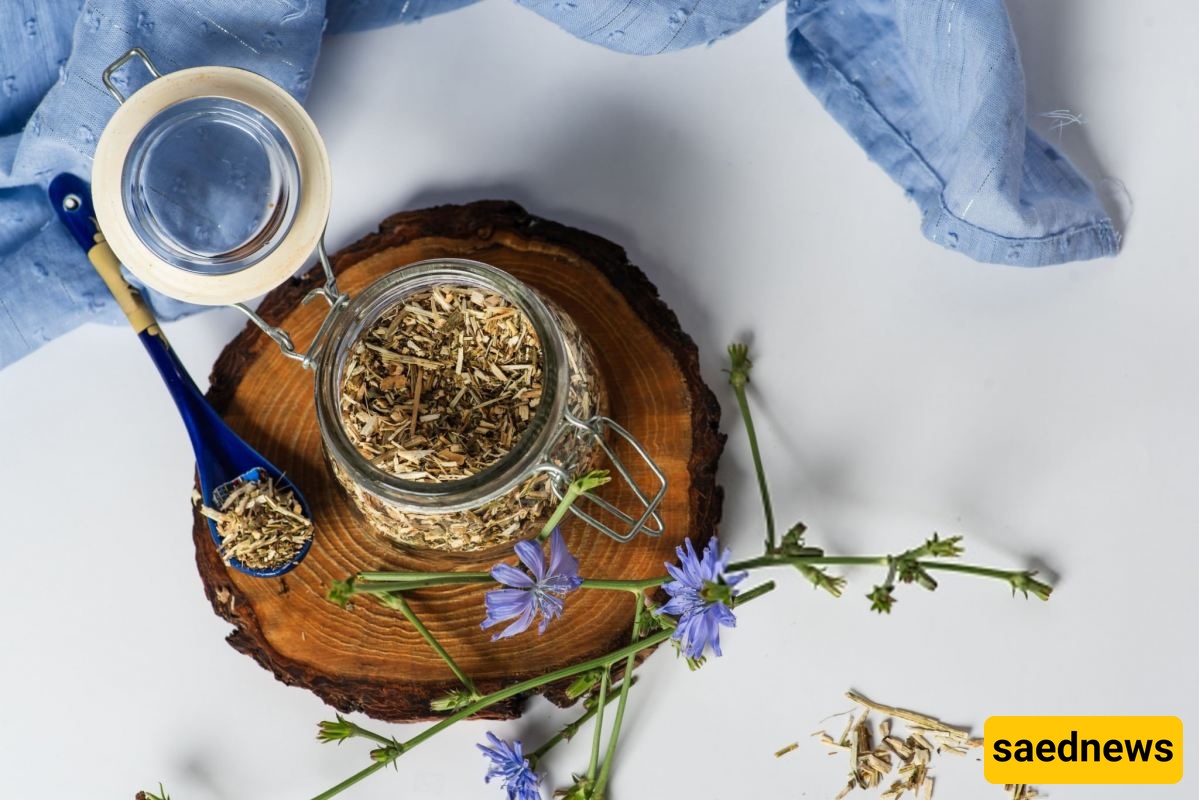
This natural combination is traditionally believed to support liver cleansing, improve liver enzyme levels, and promote better liver function. This article explores the potential benefits of chicory and fumitory extracts for fatty liver, their traditional uses, preparation methods, possible side effects, and available scientific evidence.
Fatty liver disease, medically known as hepatic steatosis, occurs when fat makes up more than 5–10% of the liver’s weight.
It is generally divided into two main types:
Alcoholic fatty liver disease: Caused by excessive alcohol consumption.
Non-alcoholic fatty liver disease (NAFLD): Associated with obesity, type 2 diabetes, insulin resistance, and metabolic syndrome.
Non-alcoholic fatty liver disease is the most common form worldwide, affecting a significant portion of the global population. Its prevalence has also increased in Iran and is now observed even among younger age groups, including children and teenagers.
Fatty liver can develop through several stages:
Simple steatosis: Fat accumulation in the liver without significant inflammation.
Steatohepatitis: Fat accumulation accompanied by liver inflammation.
Fibrosis: Formation of scar tissue in the liver.
Cirrhosis: Severe and potentially irreversible liver damage.
Chicory: An Ancient Medicinal Plant for Liver Support
Chicory (Cichorium intybus) is a perennial herb that has been used for thousands of years in traditional medicine systems of Iran, Greece, Rome, and Egypt.
The plant has blue flowers and distinctive leaves. Its roots, leaves, and flowers all contain compounds traditionally valued for their medicinal properties.
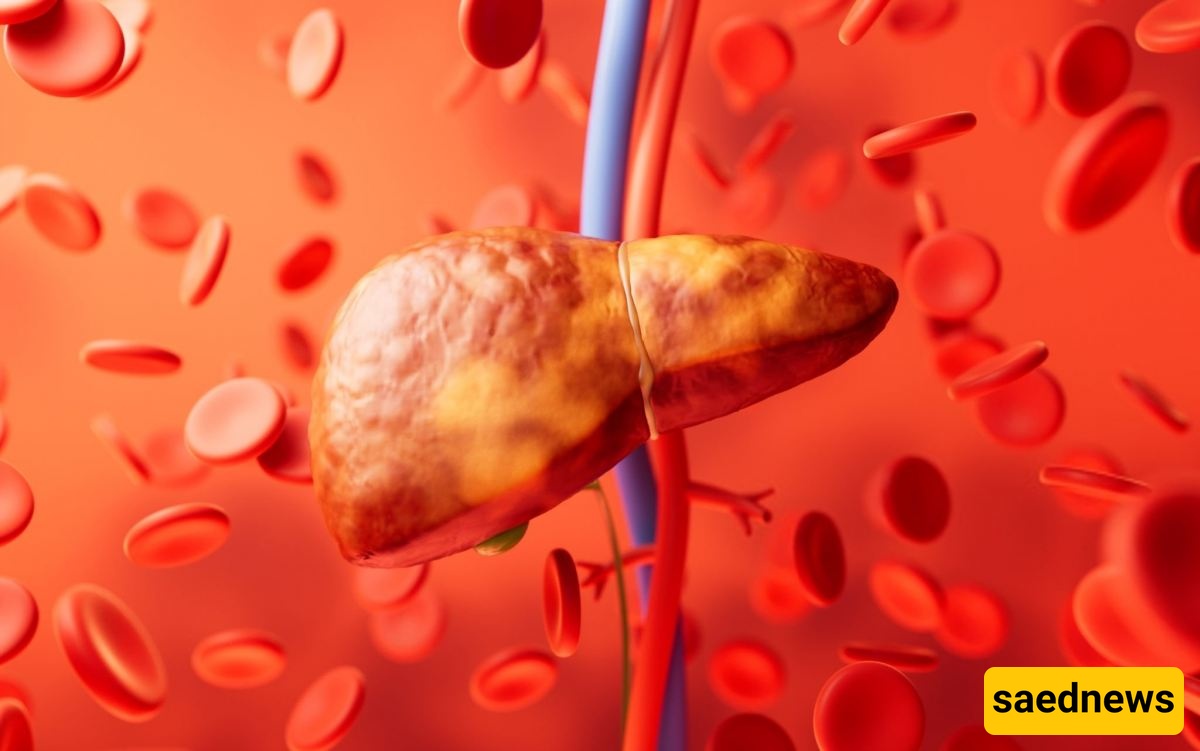
Chicory contains several beneficial compounds, including:
Inulin: A prebiotic fiber that supports digestive and liver health.
Sesquiterpene lactones: Natural compounds with anti-inflammatory properties.
Flavonoids: Antioxidants that help protect cells.
Caffeic acid derivatives: Including chlorogenic acid, known for antioxidant activity.
B vitamins, vitamin C, potassium, and manganese.
Research has investigated several possible protective effects of chicory:
Some studies suggest that chicory extracts may help reduce elevated liver enzymes such as ALT and AST, which are indicators of liver stress.
Chicory may stimulate bile secretion, which plays an important role in fat digestion and waste elimination.
The antioxidants in chicory may help protect liver cells against oxidative stress caused by free radicals.
Anti-inflammatory compounds in chicory may contribute to reducing liver inflammation associated with fatty liver conditions.
By potentially improving insulin sensitivity, chicory may support blood sugar control, an important factor in managing fatty liver risk.
Fumitory (Fumaria officinalis) is an annual herb with pink or purple flowers. It has been traditionally used in Iranian and European herbal medicine for liver and skin-related conditions.

Fumitory contains:
Alkaloids: Such as protopine, with anti-inflammatory and antispasmodic properties.
Flavonoids: Powerful antioxidant compounds.
Tannins: Plant compounds with astringent and anti-inflammatory effects.
Bitter compounds: Traditionally believed to stimulate digestive activity.
Organic acids: Including fumaric acid.
Traditional and experimental studies suggest several possible benefits:
Fumitory has traditionally been used as a blood-purifying herb and is believed to support the body’s natural elimination processes.
Like chicory, fumitory may encourage bile secretion and support fat digestion.
Its natural compounds may help reduce inflammatory processes.
Antioxidants found in fumitory may help protect liver cells from oxidative damage.
Some research suggests fumitory may help improve cholesterol and triglyceride levels.
Combining Chicory and Fumitory Extracts: A Traditional Herbal Combination
The combination of chicory and fumitory extracts is traditionally considered beneficial because the two plants may complement each other.

Both herbs are traditionally associated with supporting bile secretion and the body’s natural cleansing processes.
The anti-inflammatory compounds found in both plants may work together to support healthier liver function.
The antioxidants from both herbs may provide additional protection against oxidative stress.
This combination may help support normal fat processing in the liver.
By supporting digestive secretions, these herbs may help reduce digestive strain on the liver.
In traditional use, the extracts are often combined in equal amounts.
Mix chicory extract and fumitory extract in a 1:1 ratio.
Combine half a glass of the mixture with half a glass of lukewarm boiled water.
Some people add natural honey or fresh lemon juice to improve the taste.
Often consumed before meals.
Commonly used for several weeks as part of a broader lifestyle approach.
However, there is no universally established medical dosage for treating fatty liver with these herbal extracts. Anyone with liver disease, chronic illness, or regular medication use should consult a healthcare professional before use.
Studies investigating these plants have reported promising findings, although more large-scale human clinical trials are needed.
Some studies have suggested that chicory extracts may:
Improve certain liver enzyme levels.
Reduce oxidative stress.
Support healthier fat metabolism.
Limit fat accumulation in the liver in experimental models.
Research has indicated that fumitory may:
Provide protective effects against certain types of liver stress.
Influence liver enzymes and lipid profiles.
Direct scientific studies specifically examining the combination of chicory and fumitory extracts remain limited. Most evidence comes from studies on individual herbs and traditional medical experience.
Although these herbal extracts are generally considered safe for many people, improper use or individual sensitivity may cause problems.
Gas and bloating, especially in sensitive individuals.
Allergic reactions in rare cases.
Possible interactions with medications, including some blood-thinning, diabetes, and blood-pressure medicines.
Extra caution is recommended for:
Pregnant or breastfeeding women.
People with gallstones.
Individuals with bile duct obstruction.
People with very low blood pressure.
Individuals with active stomach ulcers.
Herbal supplements alone are not enough to manage fatty liver. The most important steps include:
Reduce refined carbohydrates such as white bread, white rice, sweets, and sugary drinks.
Increase fiber intake through vegetables, fruits, whole grains, and legumes.
Choose healthy fats such as olive oil, avocado, nuts, and seeds.
Consume adequate protein from sources such as fish, eggs, poultry, and legumes.
Drink enough water daily.

Recommended habits include:
At least 30 minutes of moderate aerobic exercise five days per week.
Combining aerobic and strength training exercises.
Activities such as brisk walking, cycling, swimming, and yoga.
Losing around 5–10% of body weight may significantly improve fatty liver.
Gradual weight reduction is generally recommended rather than rapid weight loss.
Avoid alcohol consumption.
Manage chronic stress.
Maintain 7–8 hours of quality sleep.
Control conditions such as diabetes, high blood pressure, and high cholesterol.
Chicory and fumitory herbal extracts are traditional natural remedies that have been widely used to support liver health. Their potential benefits are linked to antioxidant activity, anti-inflammatory effects, support of bile production, and possible improvements in fat metabolism.
However, fatty liver disease requires a comprehensive approach. A healthy diet, regular physical activity, weight management, and treatment of underlying health conditions remain the foundation of effective management.
Chicory and fumitory extracts may be considered as complementary support, but they should not replace medical treatment or lifestyle changes. People with existing health conditions or those taking medications should consult a healthcare professional before starting herbal remedies.
Maintaining a balanced lifestyle is the most reliable way to protect liver health and reduce the risk of fatty liver disease. Prevention, through healthy nutrition and regular activity, remains one of the most effective strategies for long-term liver wellness.