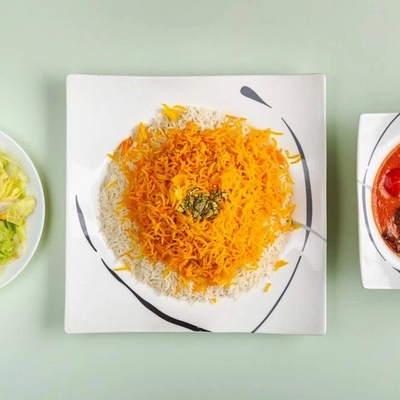
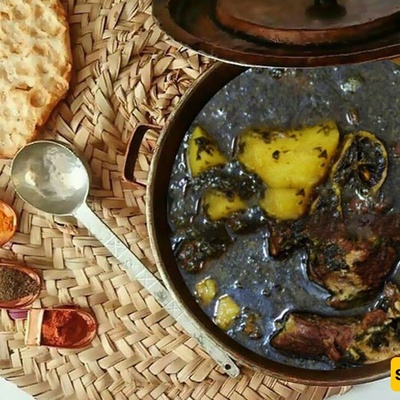
SAEDNEWS: Rice is a popular staple food worldwide, providing energy and nutrients. Understanding its role in daily diets can help support healthier food choices.
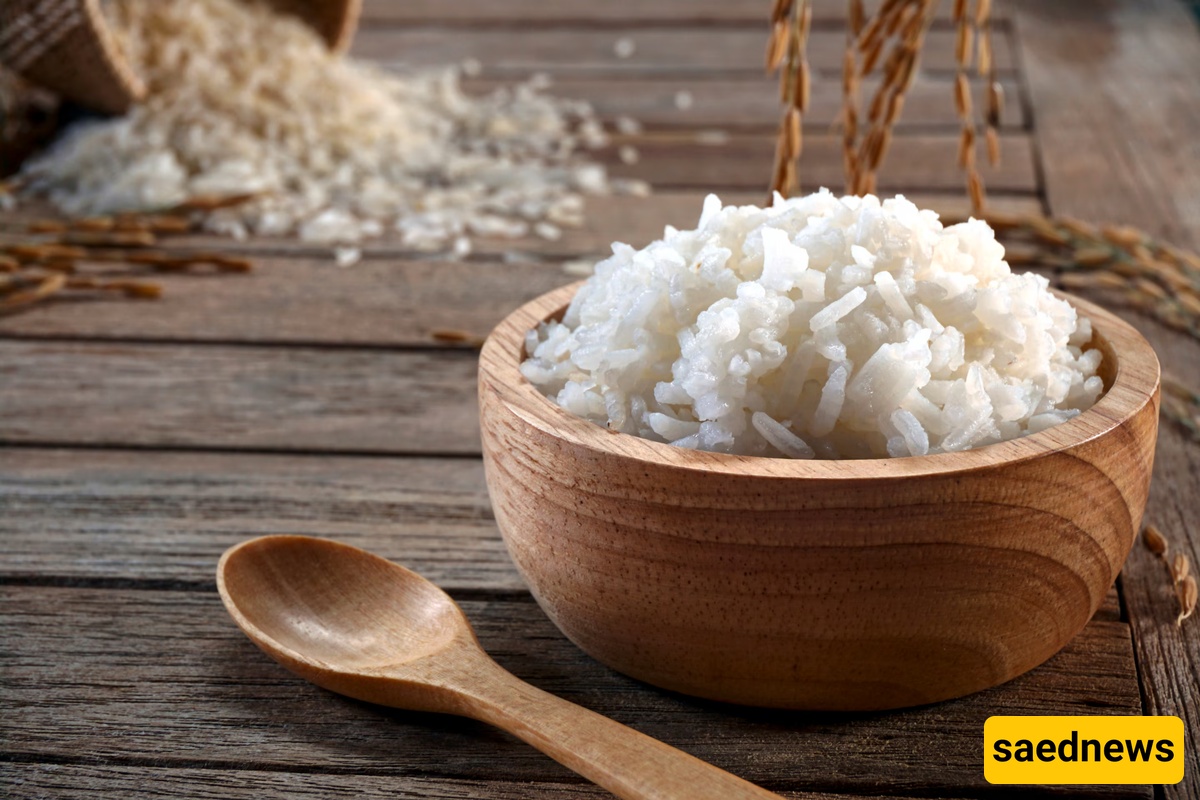
According to SAEDNEWS, Rice, a cereal grain, is the most widely consumed staple food for a large proportion of the global population, particularly in Asia. It is the third-largest agricultural commodity worldwide after sugarcane and maize. Rice is the most important cereal in terms of human nutrition and calorie intake, providing more than one-fifth of the calories consumed globally.
Rice is a monocot plant typically cultivated as an annual crop, although it can grow as a perennial crop in tropical regions and produce harvests for up to 30 years. Rice cultivation is especially suitable for countries and regions with low labor costs and high rainfall, as it is labor-intensive and requires abundant water resources.

1. Arsenic Toxicity
Rice tends to accumulate more arsenic than many other food crops. In fact, it is one of the largest dietary sources of inorganic arsenic, which is considered the more toxic form. Although dietary arsenic is usually present in small amounts and does not cause immediate poisoning symptoms, long-term exposure to inorganic arsenic may lead to neurological problems in children and adolescents, including difficulties with concentration, learning, and memory, reduced intelligence, and impaired social development.
2. Diabetes
Rice contains carbohydrates that can affect blood sugar levels. Therefore, frequent consumption of large amounts of rice may increase the risk of developing diabetes. Researchers have found that daily consumption of white rice may be associated with a higher risk of type 2 diabetes and obesity.
3. Reduces Dietary Balance
Excessive intake of rice or any single food may limit the consumption of other essential nutrients. Over time, this can contribute to deficiencies in nutrients such as vitamin A, zinc, and iron.
4. Reduces Absorption Of Certain Vitamins And Minerals
When consumed in large amounts, rice may interfere with the absorption of important nutrients such as zinc. Relying heavily on rice as a primary food source may also contribute to vitamin A deficiency.
5. Affects Glucose Metabolism
Due to its high carbohydrate content, excessive rice consumption may negatively affect glucose metabolism and insulin production in the body. This may contribute to weight gain, insulin resistance, and an increased risk of diabetes.
6. Causes Bloating
Rice can fill the stomach quickly and may cause a feeling of bloating. Going to bed immediately after eating rice is not considered beneficial for health. However, rice is generally easy to digest, and some people may feel hungry again soon after eating it, which can lead to overeating.
7. Weight Gain
Cooked rice contains a high number of calories, and excessive consumption may contribute to weight gain. To help maintain a healthy weight, rice should be consumed in moderate amounts.
8. Causes Fatigue
Eating a large portion of rice at lunch may make you feel sleepy immediately after the meal. This is because rice is high in calories, and the digestion and metabolism process may leave the body feeling tired.