SAEDNEWS: We’ll introduce a variety of shrimp, explore their different types, and share how to prepare and cook them.
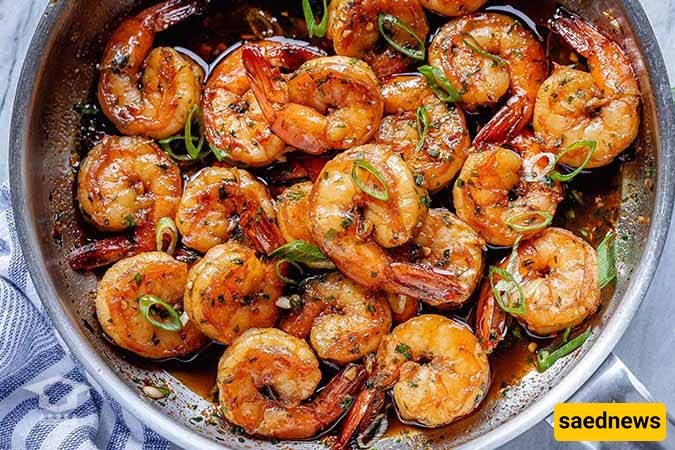
According to Saednews, Shrimp has many devoted fans. For people who enjoy the flavors of seafood, shrimp often holds a special place among their favorite foods. Even if you are not particularly fond of its taste, its nutritional value and numerous health benefits are difficult to overlook. Adding shrimp to your diet can be a great idea, but it is important to know the different varieties available as well as the various ways to prepare and cook them.
A variety of farmed and wild shrimp can be found in northern and southern Iran. Some of the most common types include:
Tiger shrimp
White shrimp
Banana shrimp
Sharp-head shrimp
Pink shrimp
Spotted shrimp
Rock shrimp
Tiger shrimp are caught in the waters of the Persian Gulf. Their meat is white, flavorful, and rich in omega-3 fatty acids and other important nutrients. Tiger shrimp also include varieties such as black tiger shrimp, which are generally larger and less common. Overall, tiger shrimp tend to be large and substantial in size.
White shrimp are widely used for cooking and are relatively easy to clean. They have firm, crisp-textured meat and are suitable for a variety of dishes. Indian white shrimp are also included in this category, although they require more careful storage because they spoil faster than some other varieties.
Banana shrimp are another variety found in the waters of southern Iran. They contain significant amounts of omega-3 fatty acids and do not require large quantities of salt or oil during cooking. Banana shrimp have a naturally sweet flavor and a light, tender texture.
Sharp-head shrimp are known for their pleasant flavor and nutritional benefits. They are rich in protein and various vitamins and develop an attractive orange-pink color after cooking. This variety is also found in the Persian Gulf.
If you are looking for exceptionally tender shrimp meat, pink shrimp are a good choice. They can also be appealing to people who dislike the strong smell sometimes associated with seafood. Pink shrimp generally lack the noticeable ammonia-like odor found in some other varieties and can be particularly delicious when cooked.
Spotted shrimp have firm, delicious meat and a soft texture. They are relatively large and have naturally sweet meat, making them suitable for many different dishes. Fresh shrimp are also highly nutritious. Choosing fresh spotted shrimp and preparing them properly can be an excellent addition to a healthy diet.
Rock shrimp have a sweet flavor and a firmer texture than many other shrimp varieties. Their firm texture is partly related to their natural habitat, as they live in deeper waters. They are generally large and can also be found in the Persian Gulf.
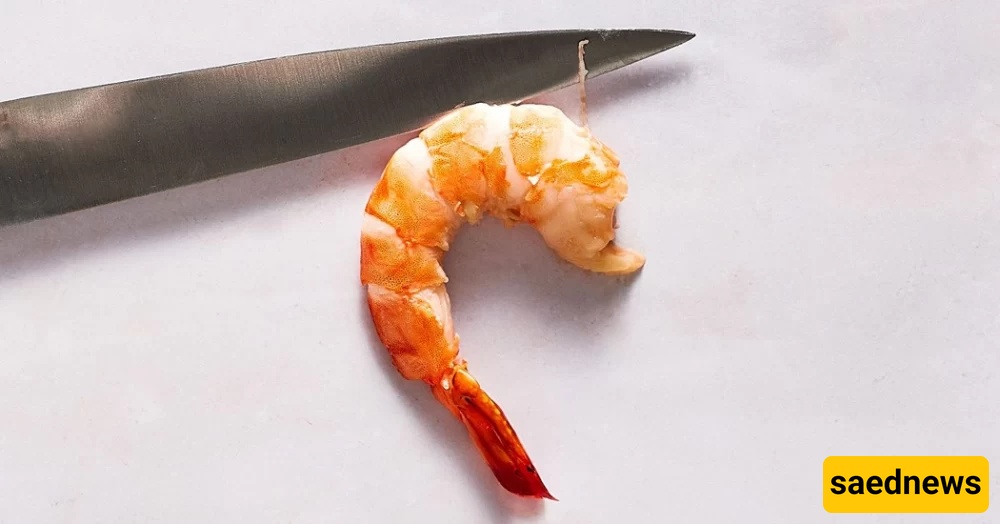
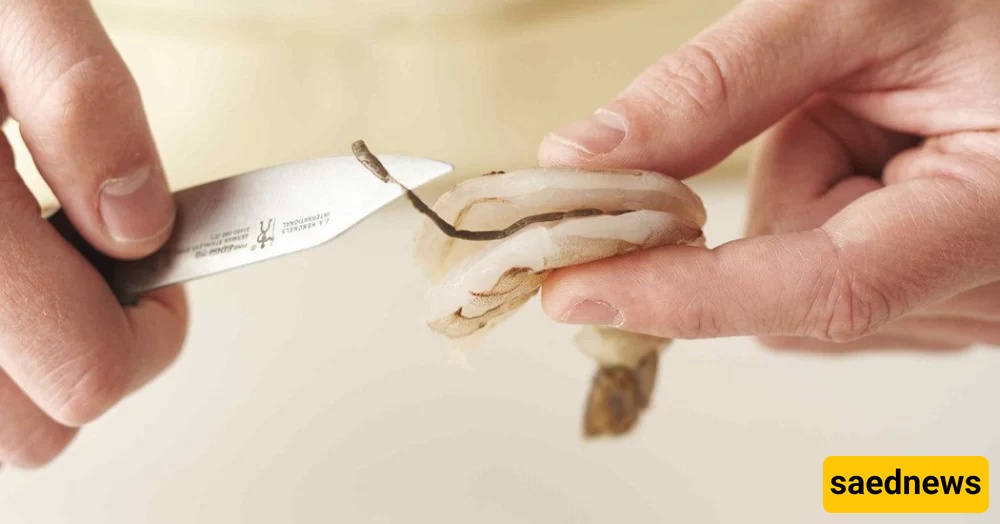
Once you have selected your preferred type of shrimp, the next step is cleaning and preparing it. Fortunately, shrimp do not require extensive cleaning. However, there is a thin dark line along the lower part of the shrimp. This is the digestive tract and can be removed before cooking.
Some people believe that eating this dark section is harmless. However, if you prefer to clean your shrimp thoroughly, follow these steps:
Remove the outer shell carefully with a clean knife.
Remove the head and tail, then locate the thin dark vein.
Remove the vein and rinse the shrimp thoroughly.
Cook the shrimp using your preferred method.
One of the main concerns after buying seafood is deciding how to prepare and cook it. Shrimp can be prepared in several delicious ways, including:
Frying
Sautéing
Grilling
Boiling
Frying is one of the most popular ways to prepare shrimp. For a crispier texture and richer flavor, you can coat the shrimp with breadcrumbs before frying.
Heat oil in a pan until it is very hot, then add the shrimp and fry them until cooked and golden. Vegetable oils or peanut oil can be suitable choices for frying.
Avoid putting all the shrimp into the pan at once. Add them in batches so that they cook evenly and maintain a consistent texture. Because deep-frying requires a considerable amount of oil, you can use an air fryer instead if you prefer a lighter preparation.
Add olive oil to a hot pan and then add the shrimp. You can also incorporate your favorite sauces to create different flavors. Keep the heat relatively high but avoid cooking the shrimp for too long.
Adding vegetables such as broccoli or serving the shrimp with fried potatoes can turn the dish into a more complete and satisfying meal. Choose ingredients according to your preferences and create a combination that suits your taste.
Grilling is another excellent method for preparing protein-rich foods. It requires relatively little oil and can be a good option for a lighter meal.
Before grilling, season the shrimp with ingredients such as:
Garlic
Black pepper
Turmeric
Cinnamon
You can also grill or roast vegetables alongside the shrimp. Add your preferred vegetables during the final stage of cooking, or prepare them separately in the oven and serve them as a side dish.
Boiling is ideal for people who want to enjoy the natural flavor of seafood. Boiled shrimp can be used in salads, light meals, and other healthy dishes.
To boil shrimp, fill a pot with water and add a small amount of salt. Bring the water to a boil, then add some pepper and lemon for extra flavor. Place the shrimp in the pot and allow them to cook gently until they are fully cooked.
Whether you prefer them fried, sautéed, grilled, or boiled, choosing the right shrimp variety and preparing it properly can make a significant difference in both flavor and texture.