SAEDNEWS: Svalbard’s untouched Arctic landscapes in Norway offer a unique travel experience for adventurous visitors. Its remote wilderness is home to remarkable polar wildlife and vegetation, making it an extraordinary destination for exploring the Arctic.
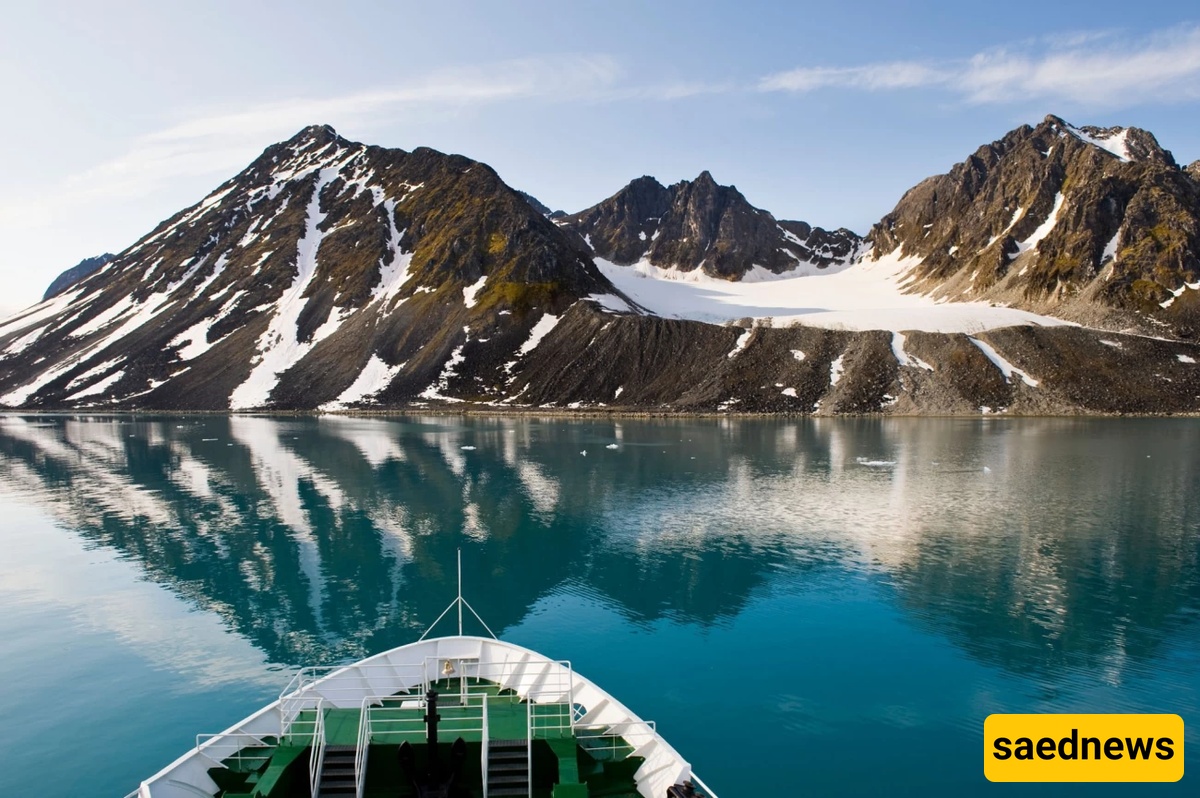
According to Saednews, citing Delgarm: Svalbard is one of the most spectacular regions in Norway. This extraordinary destination is home to some of the world’s most unusual natural attractions. The area is rich in natural resources and has a distinctive polar climate. Its Arctic vegetation and unique wildlife make it an exceptional destination for travelers.
Svalbard is one of the most remote and pristine regions in the world and is considered one of Norway’s most remarkable destinations. Thousands of tourists visit the archipelago each year to experience its dramatic landscapes and Arctic environment. Even during its warmest periods, temperatures can remain around 4°C. For travelers who can handle the cold, Svalbard offers an unforgettable combination of natural beauty and adventure.
Svalbard is an archipelago made up of several islands in the northernmost part of Norway. The surrounding waters connect with the Barents Sea, the Atlantic Ocean, the Greenland Sea, and the Norwegian Sea. The region has long been important to Norway and has developed into a major destination for Arctic tourism.
Cruise ships are one of the ways travelers can explore the major islands of the archipelago. A cruise trip can cost around $1,500, depending on the itinerary and travel arrangements. Reaching Longyearbyen by sea can take approximately three days.
A cruise through the Arctic waters can be an experience in itself. Spending several days at sea allows travelers to enjoy spectacular coastal scenery while approaching some of Svalbard’s most remote locations. Along the way, visitors can discover some of Norway’s most distinctive natural landscapes.
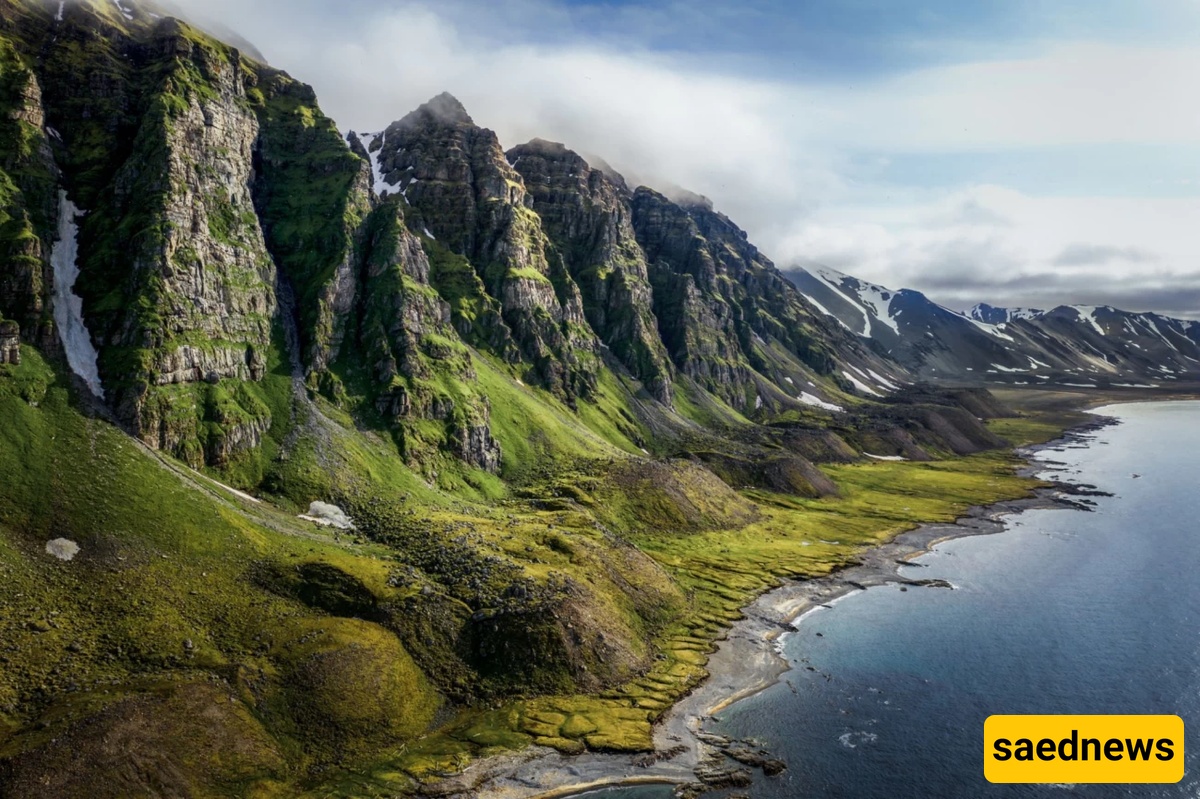
Svalbard is strongly influenced by its Arctic climate. The harsh environment supports a specialized range of polar vegetation. Mosses, Arctic willow, and lichens are among the plants commonly found across the region, adapting to the short growing season and extreme conditions.
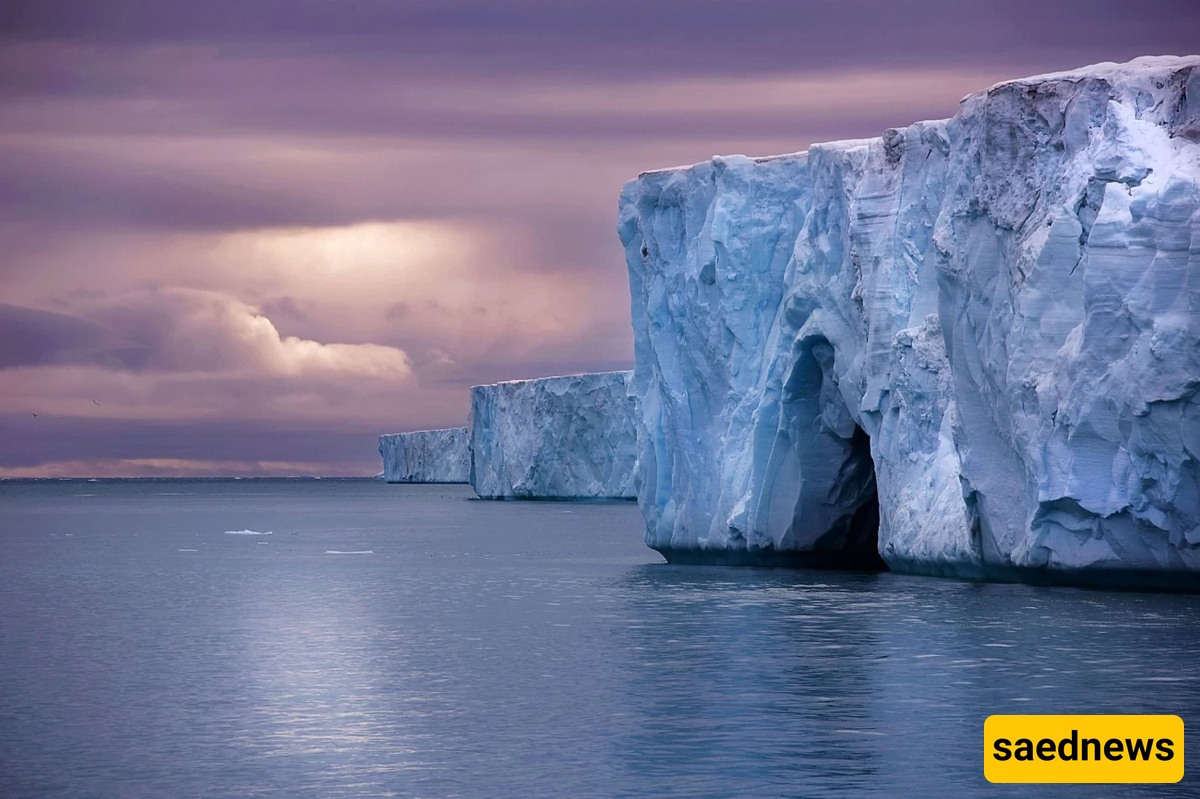
For anyone planning to explore Svalbard, its glaciers and vast Arctic landscapes are among the main highlights. The archipelago contains several types of Arctic desert environments, each supporting its own limited vegetation. Svalbard is also rich in natural resources, and coal mining has historically been an important source of income in the region.
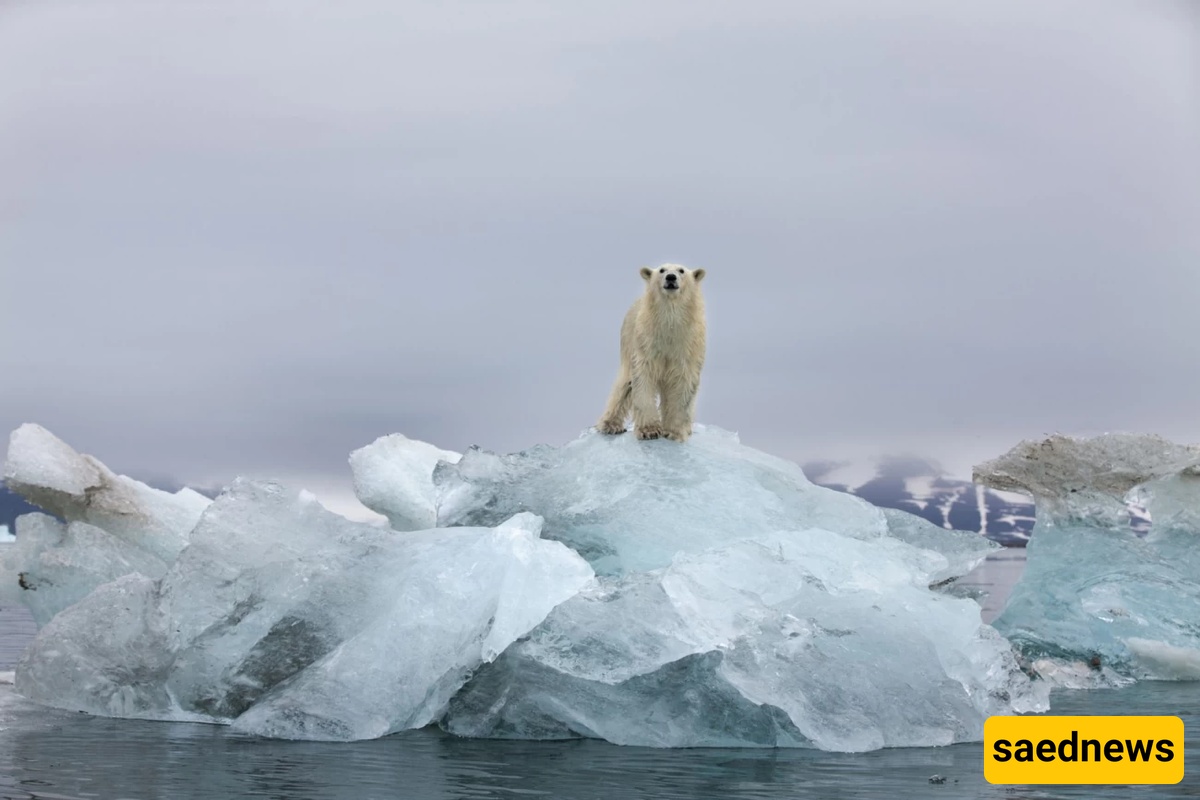
The islands are also an important habitat for Arctic wildlife. Polar bears and Arctic foxes are among the most iconic animals found here, while Svalbard reindeer can also be spotted across the landscape. The surrounding waters are home to numerous marine species, including whales, which add another remarkable dimension to the Arctic experience.