SAEDNEWS: The world’s most remote hotels promise silence, untouched landscapes, and experiences far beyond ordinary tourism — but reaching them often requires planes, boats, snow vehicles, and careful planning. This journey is part of what makes these destinations unforgettable.
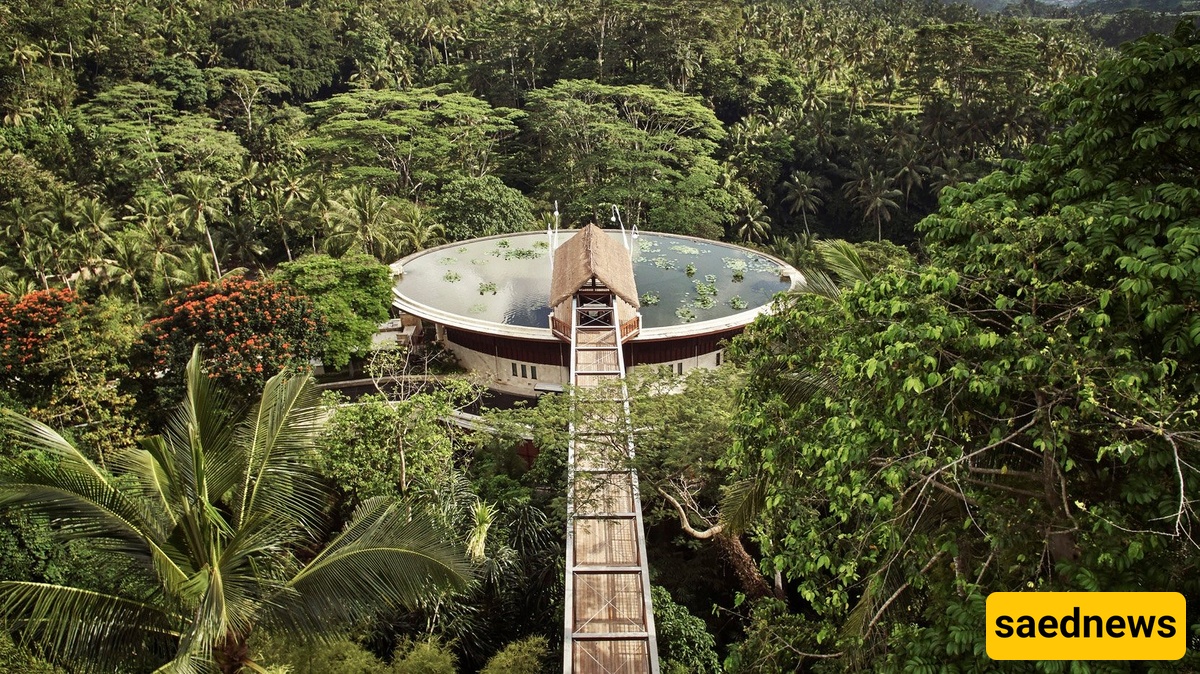
According to SaedNews, some hotels are designed not around convenience, but around distance. They exist in places where roads disappear, weather controls schedules, and simply arriving becomes part of the adventure.
For travelers seeking something beyond traditional vacations, remote hotels offer a rare combination of isolation and comfort. These destinations can be found among Arctic wilderness, private islands, deserts, mountains, and forests far from major cities.
But the real story is not only about where these hotels are located. It is about what it takes to build and operate a place where supplies, staff, and guests must overcome some of the planet’s most difficult conditions.
At ordinary hotels, reaching the front desk may require a short walk from a parking area or airport shuttle.
At remote hotels, the journey itself can become the first chapter of the stay.
Some guests arrive by small aircraft because there are no nearby highways. Others travel by boat through isolated waters or continue by snowmobile after roads become impossible. In extreme environments, even transporting construction materials and food requires detailed planning.
The challenge is not simply distance. It is geography.
A hotel surrounded by glaciers, deep forests, or remote islands must work with conditions that change constantly. Weather delays, seasonal access, and limited transportation options become part of daily operations.
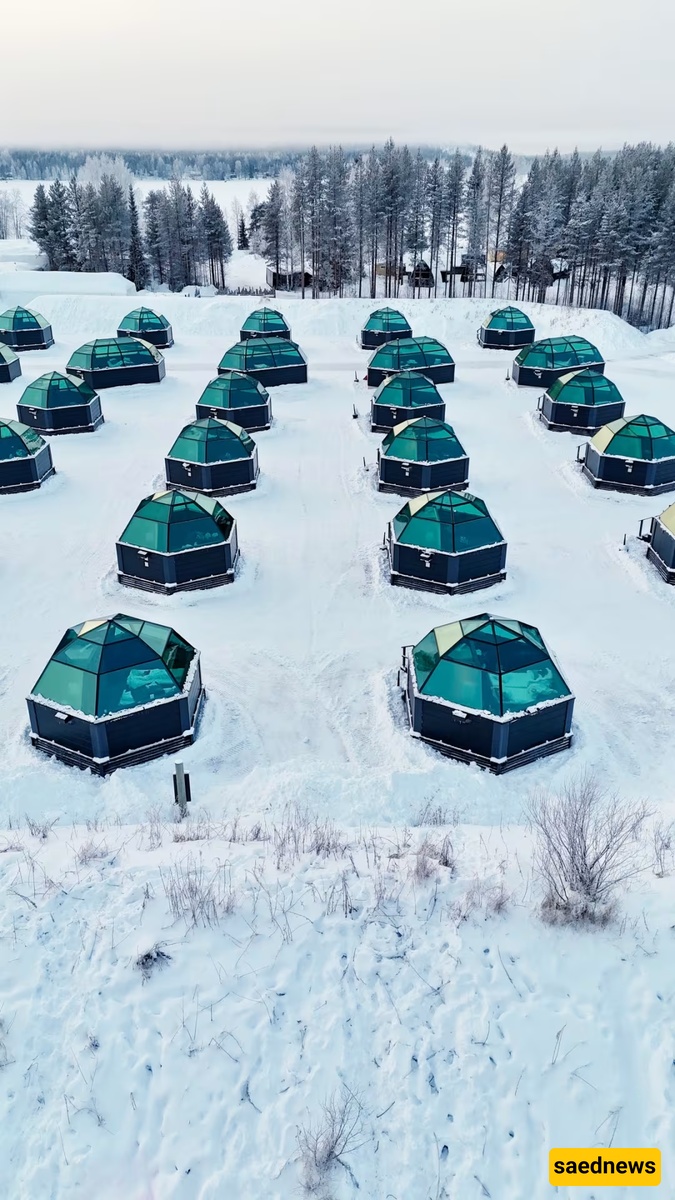
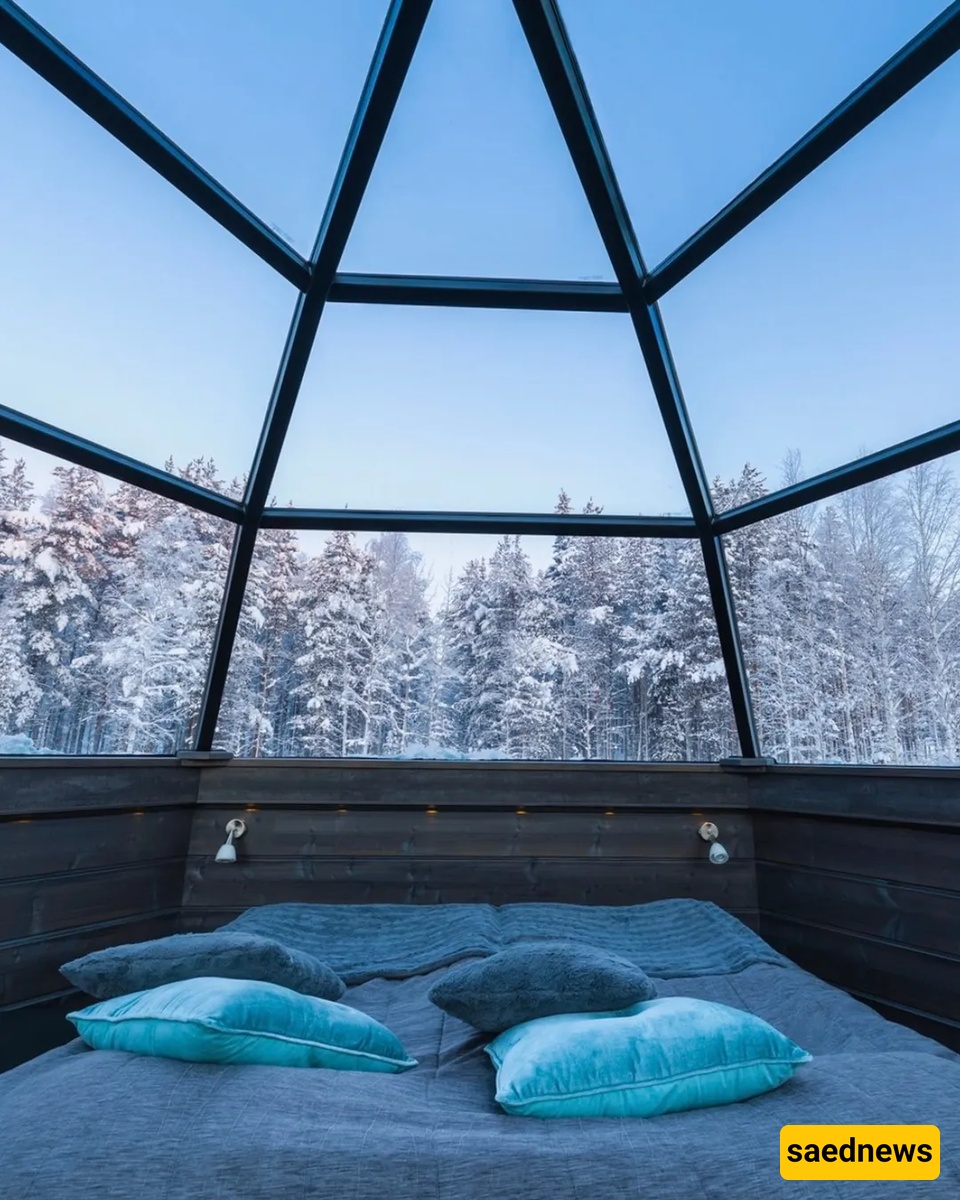
Northern regions have become some of the world’s most recognizable destinations for remote accommodation.
In Finland’s Lapland, for example, visitors can stay in glass-roofed accommodations designed for viewing the Northern Lights while remaining surrounded by Arctic landscapes. Properties such as Arctic SnowHotel and glass igloo experiences near Rovaniemi combine wilderness with modern comfort.
Other Arctic hotels are built around the idea of experiencing nature rather than escaping it. Guests may travel through snowy forests, join wildlife activities, or spend nights far from artificial light to experience the northern sky.
The difficulty of reaching these places is exactly what protects their atmosphere. Fewer visitors mean quieter landscapes and a stronger feeling of being away from ordinary life.
A common misunderstanding is that remote hotels are simply luxury properties placed in beautiful locations.
In reality, isolation creates enormous logistical challenges.
Every remote hotel must answer questions that urban hotels rarely consider:
How does food arrive?
How are buildings maintained?
What happens during severe weather?
How do employees reach the property?
How can guests remain comfortable without damaging the environment?
Energy is often one of the biggest challenges. Many isolated properties must rely on carefully managed systems because connection to traditional infrastructure may be impossible or expensive.
Water supply, waste management, emergency planning, and communication systems all require special solutions.
The luxury guests experience is often the result of complex preparation happening behind the scenes.
Why would travelers choose a hotel that takes hours or even days to reach?
The answer is increasingly connected to the desire for meaningful experiences.
Remote hotels offer something rare in modern life: separation from constant noise, crowds, and digital distractions.
A night beneath Arctic skies, a morning overlooking an empty ocean, or a stay in a desert landscape can feel less like a normal vacation and more like entering another world.
For many travelers, the inconvenience is not a disadvantage. It is proof that the destination is genuinely special.
As interest in unique experiences grows, more travelers are searching for places that cannot be easily reached by everyone.
However, the popularity of remote tourism also creates challenges. Fragile environments can be damaged if visitor numbers increase too quickly.
The most successful remote hotels increasingly focus on balancing exclusivity with sustainability — protecting the landscapes that make them valuable in the first place.
The journey to these hotels may involve long flights, rough seas, mountain roads, or frozen landscapes. But for many guests, that difficulty is exactly what transforms a hotel stay into a story worth remembering.