SAEDNEWS: Beryani is a flavorful Iranian dish made with a combination of tender lamb, white liver, and aromatic spices. Known for its rich taste and distinctive texture, it has become a favorite among both Iranians and international visitors.
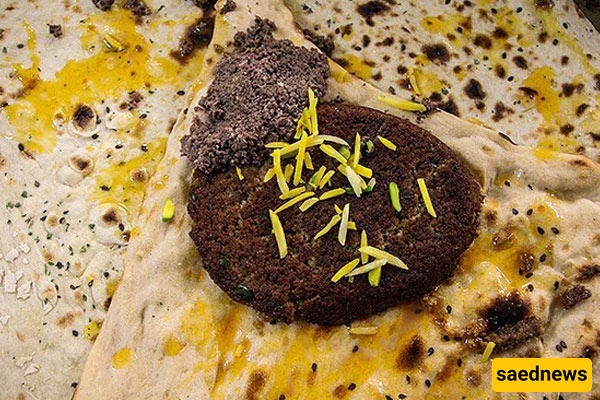
According to Saednews, Isfahan Beryani is one of Iran’s most distinctive and beloved traditional dishes, originating from the historic and culturally rich city of Isfahan. In the past, Beryani was mainly served at special ceremonies and gatherings, but today, you can prepare this flavorful dish at home by following the traditional method.
In this article, you’ll find a complete step-by-step recipe for authentic Isfahan Beryani, along with the essential tips for achieving its traditional flavor and texture.
Serves 4
600 g lamb, preferably neck or leg
1 medium onion
1 tablespoon brewed saffron
½ medium lamb or veal lung (white offal)
1 piece of cinnamon stick
Salt, as needed
Black pepper, as needed
Turmeric, as needed
Ground cinnamon, as needed
Oil or rendered lamb fat, for frying
Important note: White offal is an essential ingredient in authentic Isfahan Beryani and is considered an important part of the dish’s traditional identity. For an especially tender and flavorful result, young lamb can also be used.
Although enjoying Isfahan Beryani at a traditional restaurant in the city has its own special charm, you can recreate this iconic dish at home by following a few important techniques.
Cut the lamb into medium-sized pieces and roughly chop the white offal. Place the lamb, white offal, quartered onion, salt, black pepper, turmeric, and cinnamon stick in a suitable pot or pressure cooker.
Add enough water to cover the ingredients by approximately one finger’s width. Place the pot over medium heat and allow the meat and offal to cook until completely tender.
Approximate cooking time:
Pressure cooker: 1 to 1½ hours
Regular pot: 2 to 3 hours
The meat and white offal should become completely soft. By the end of cooking, the meat broth should be rich, concentrated, and flavorful.
Once everything is fully cooked, remove the lamb and white offal from the broth and allow them to cool slightly.
Grind the meat and white offal separately using a meat grinder or food processor until each has a smooth and uniform texture.
Strain the remaining broth to remove any solids, then return it to low heat to keep it warm. Add the brewed saffron to the broth and stir well.
Place the ground lamb in a bowl and knead it thoroughly with your hands until it becomes cohesive and slightly sticky.
This step is important because it helps the Beryani hold together during frying. You can also add a small amount of ground cinnamon to the meat and mix it thoroughly.
Traditionally, Beryani is cooked using a special shallow iron or cast-iron utensil known as a Beryani scoop or pan. If you do not have one, a small pancake pan can be used as an alternative.
Place the pan over low to medium heat and allow it to warm up. Add a little oil, rendered lamb fat, or some of the fat collected from the meat broth. Sprinkle in a small amount of ground cinnamon and allow the fat to become hot.
Take a portion of the ground meat and place it in the heated pan. Using the back of a spoon or a spatula, press the meat down and spread it into an even layer.
The Beryani should be approximately 1 centimeter thick.
Allow one side to cook until well browned and golden, then carefully turn it over and cook the other side. Repeat the process until all the meat has been cooked.
Key tip: The Beryani should not be too thin or too thick. If it is too thin, it can become dry; if it is too thick, the center may not cook properly.
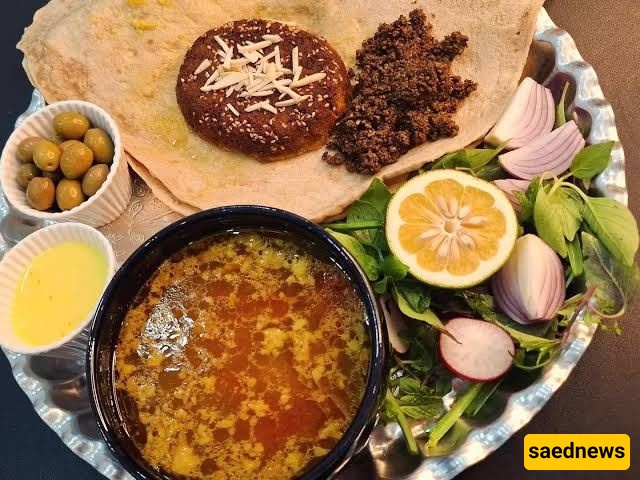
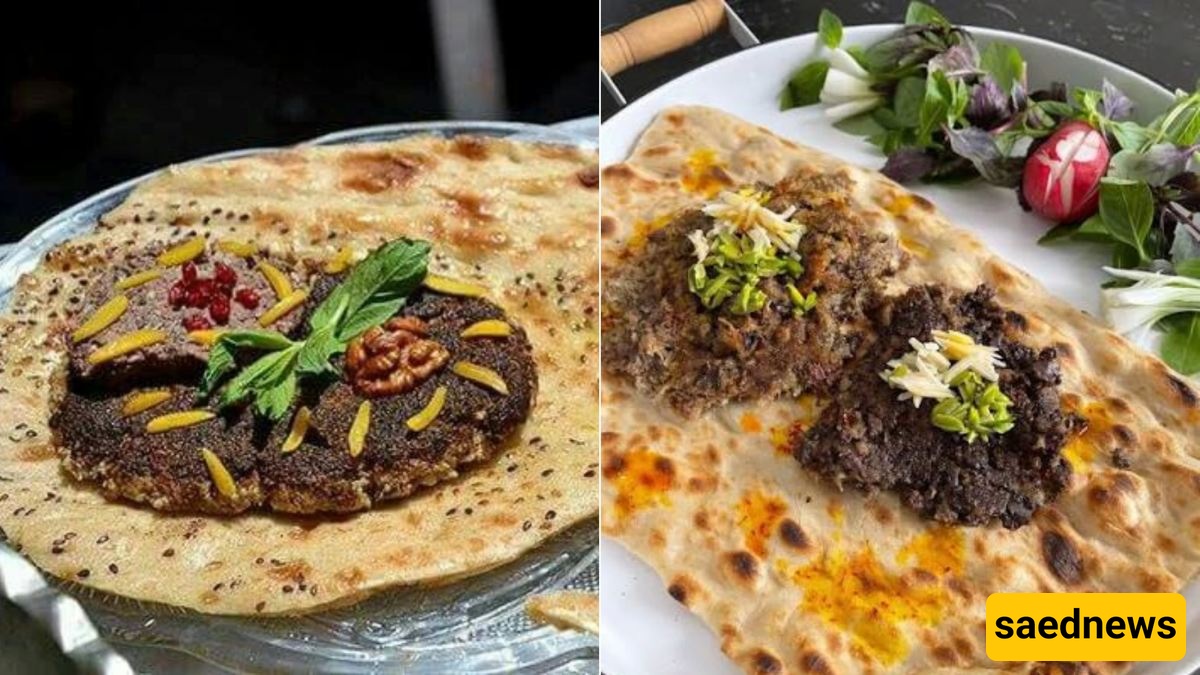
For a traditional presentation, use lavash or sangak bread.
Quickly dip different parts of the bread into the warm saffron-infused meat broth, then place the bread on a serving platter.
Put the fried Beryani on top of the bread and arrange some of the ground white offal alongside it.
For a traditional garnish, you can add walnuts, pistachio slivers, or barberries. For a more decorative presentation, a small amount of dried mint can also be added.
Serve the Beryani immediately while it is hot.
Use lamb with an appropriate amount of fat. Very lean meat can result in a dry Beryani. A combination of lamb neck and leg is considered an excellent choice.
Proper cooking is essential. If the meat is not completely tender, it will be difficult to grind and the final texture may become tough.
White offal gives Beryani its distinctive flavor and aroma. Veal white offal can be used, but lamb white offal is traditionally preferred.
The saffron-infused broth is used to moisten the bread before serving. A rich and concentrated broth will give the bread a deeper and more delicious flavor.
Rendered lamb fat or traditional animal fat provides the most authentic flavor. Vegetable oil can also be used, although it will produce a less traditional taste.
Some cooks add a small amount of chickpea flour or breadcrumbs to the meat to improve its texture. However, these ingredients are not part of the traditional Isfahan Beryani recipe.
Authentic Isfahan Beryani is more than just a meat dish; it is an important part of the culinary heritage of Isfahan. The combination of tender lamb, white offal, aromatic cinnamon, saffron-infused broth, and traditional Persian bread creates a distinctive dish that is best enjoyed fresh and hot.
With properly cooked meat, a rich broth, and the right frying technique, you can bring the traditional taste of Isfahan Beryani to your own kitchen.