SAEDNEWS: Siban Darreh Village in Alborz Province, with its pristine mountainous nature, traditional architecture, and authentic Iranian culture, is a lesser-known yet exceptionally beautiful destination for tourists and nature lovers.
According to Saednews, Alborz Province, with its mountainous landscapes and pleasant climate, has always been an attractive destination for tourists and nature lovers. Among the many villages in this province, Siban Darreh stands out as a lesser-known yet remarkably beautiful destination. Located near the city of Karaj and along the Chalus Road, this village offers a unique combination of pristine nature, traditional architecture, and authentic Iranian culture to its visitors. In this article, we will provide a comprehensive overview of Siban Darreh Village, its tourist attractions, local culture and traditions, access routes, and accommodation facilities.
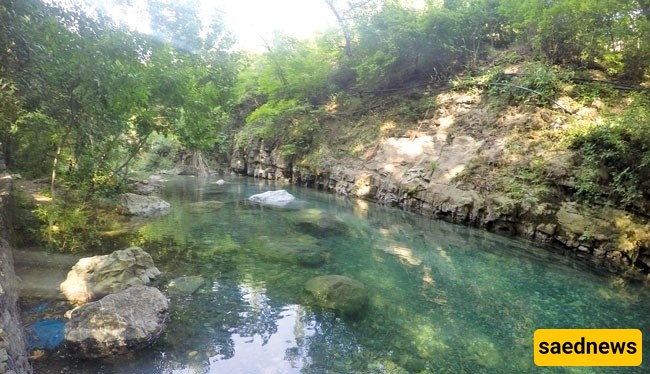
Siban Darreh Village is located in Alborz Province, Karaj County, Asara District. It lies about 35 kilometers northwest of Karaj, along the Karaj–Chalus Road. Its foothill location presents stunning views of the Central Alborz Mountains.
Route 1 (via Chalus Road):
After traveling from Karaj toward Chalus, near the village of Vineh, a sign for Siban Darreh appears. From this point, an asphalt road of about 5 kilometers leads to the village.
Route 2 (via Bilqan Road):
The village can also be accessed through the Bilqan Road from Karaj. This route is slightly longer but offers more pristine natural scenery.
Important note: The access road is mountainous and winding, so careful driving during daylight hours is recommended.
The name “Siban Darreh” consists of two parts: “Siban,” meaning “white” in the local dialect, and “Darreh,” meaning “valley.” Therefore, Siban Darreh means “White Valley.” This naming is likely due to heavy snowfall in winter or the presence of white limestone rocks in the area.
The village dates back several centuries. Archaeological evidence and architectural remains suggest that settlement in this area flourished during the Safavid era. The villagers are mainly of indigenous Iranian ethnic groups and speak Tati dialect along with Persian.
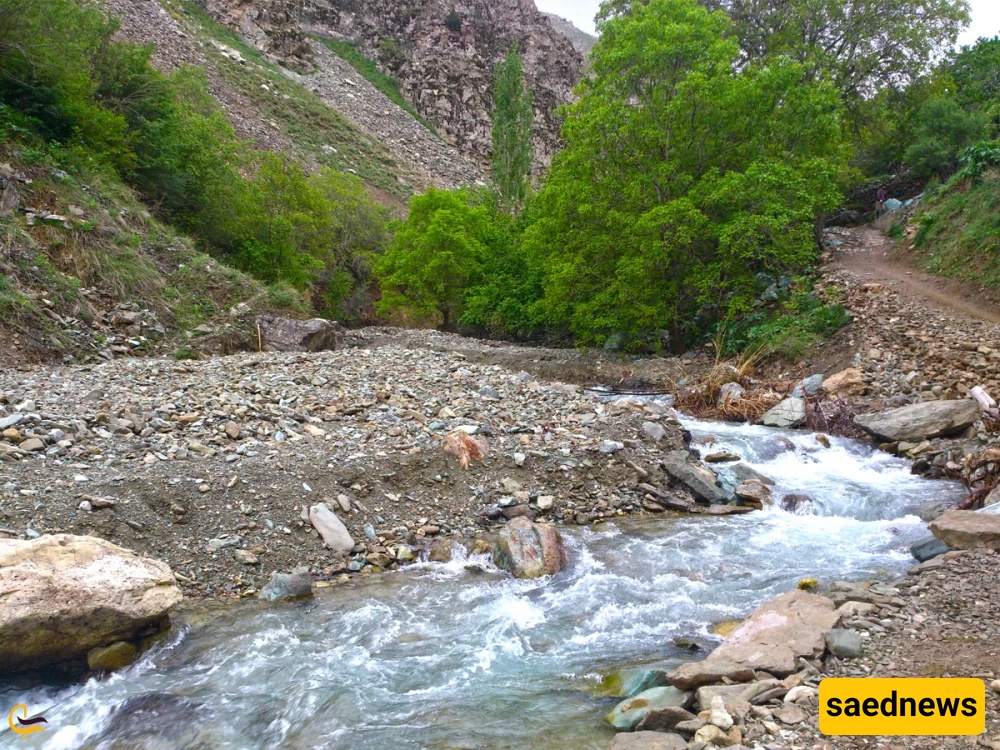
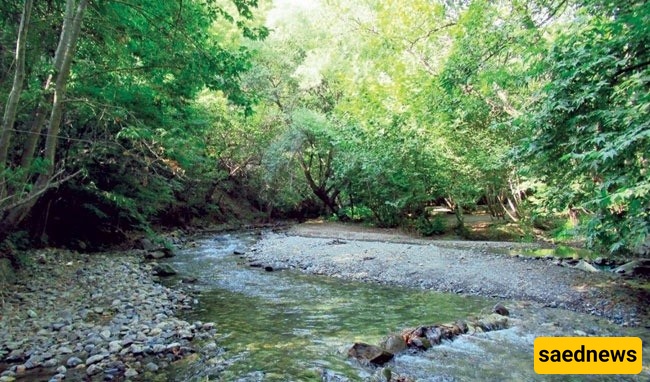
Located in the Alborz mountain range, Siban Darreh is rich in untouched natural beauty. In spring and summer, its slopes are covered with wildflowers and medicinal herbs. Walnut, apple, cherry, and apricot orchards are abundant in the village.
Notable natural sites:
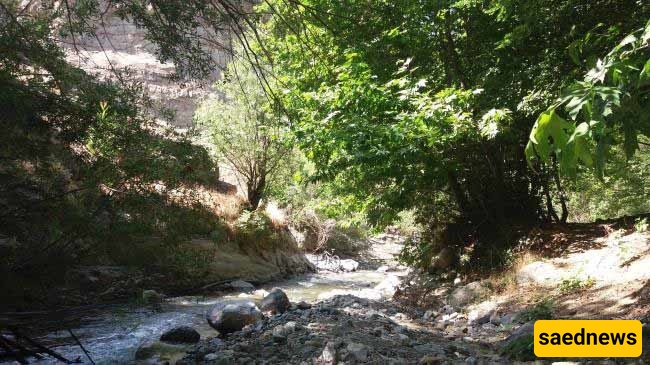
Siban Valley: The main valley with a seasonal river, especially lush in spring and summer.
Surrounding peaks: Ideal for professional hikers and mountaineers.
Natural springs: Several freshwater springs provide drinking water for residents.
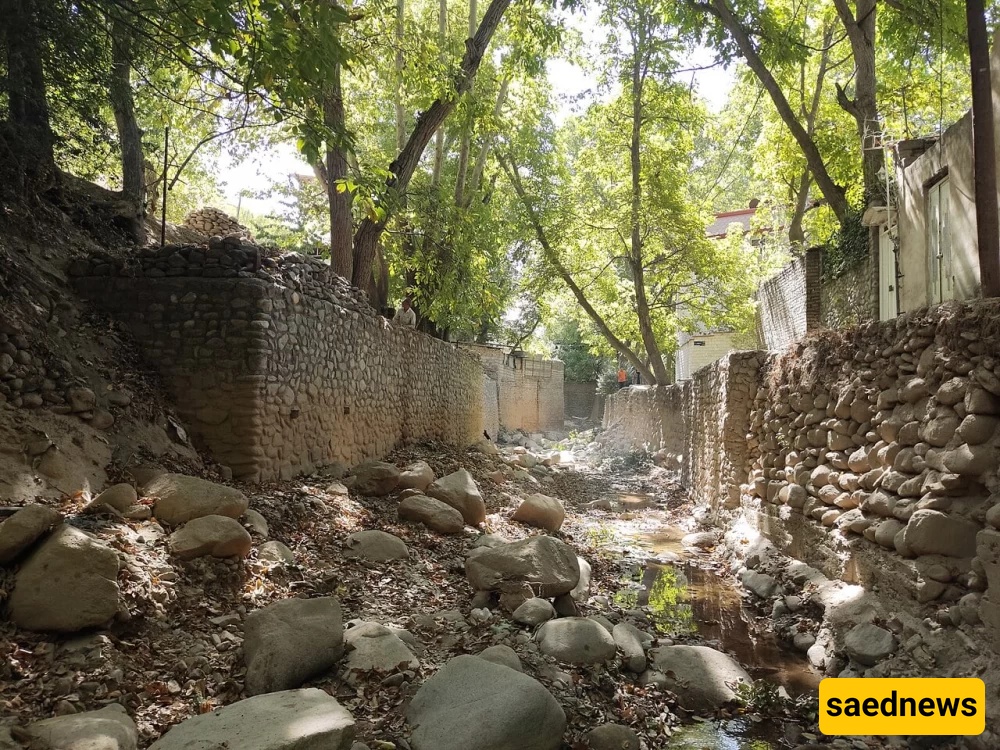
The village follows traditional mountainous architecture. Houses are mainly built of stone, brick, and mud, with sloped roofs. Narrow, stone-paved alleys create a nostalgic and charming atmosphere.
Architectural features:
Terraced houses on mountain slopes
Wooden verandas with traditional decorations
Small courtyards with fruit trees
Flat rooftops used for drying agricultural products
Old Mosque: A central mosque with simple yet beautiful architecture, over 200 years old.
Shrine: A sacred tomb of a descendant of the Imams, respected by locals.
Traditional bathhouse: An inactive historic bathhouse showcasing traditional Iranian architecture.
The people of Siban Darreh are engaged in agriculture and animal husbandry.
Famous local products:
High-quality walnuts
Natural mountain honey
Medicinal herbs such as thyme, mint, pennyroyal, borage, and wild savory
Handicrafts:
Carpet weaving
Kilim weaving
Wooden handicrafts
Residents speak Persian with a Tati dialect, belonging to the Northwestern Iranian language group, also spoken in parts of Alborz and Qazvin provinces.
Traditional weddings with folk music, dance, and local cuisine
Muharram mourning ceremonies with chest beating and passion plays
Nowruz celebrations with cleaning rituals, cooking “Samanou,” and family visits
Traditional soups (noodle soup, yogurt soup)
Local kebabs with lamb and mountain herbs
Stews such as plum and spinach stew, rhubarb stew, and eggplant stew
Traditional breads such as Sangak and Barbari
Recently, several eco-lodges have been established, offering a rural lifestyle experience with modern amenities.
Features:
Traditional rooms with local decorations
Serving local food
Green courtyards
Camping facilities
Small restaurants and cafés serve traditional food, some with mountain-view terraces.
Grocery stores
Local bakery
Nearby gas stations
Limited mobile internet access in some areas
Spring (March–May): The best season with lush nature and mild weather
Summer (June–August): Cool mountain climate, ideal for escaping city heat
Autumn (September–November): Beautiful golden landscapes, perfect for photography
Winter (December–February): Cold and snowy, offering a quiet and peaceful experience
Siban Peak route (challenging)
Valley route (family-friendly)
Spring exploration routes
Ideal for landscape, rural life, sunrise, and sunset photography.
Designated areas allow camping under the stars.
Bring warm clothing even in summer
Wear proper hiking shoes
Carry enough water and food
Respect local customs and religious sites
Protect the environment and do not litter
Check road and weather conditions before travel
Recent efforts include:
Training local communities in hospitality
Improving infrastructure and roads
Supporting handicrafts markets
Environmental protection programs
Vineh Village: nearby with pristine nature
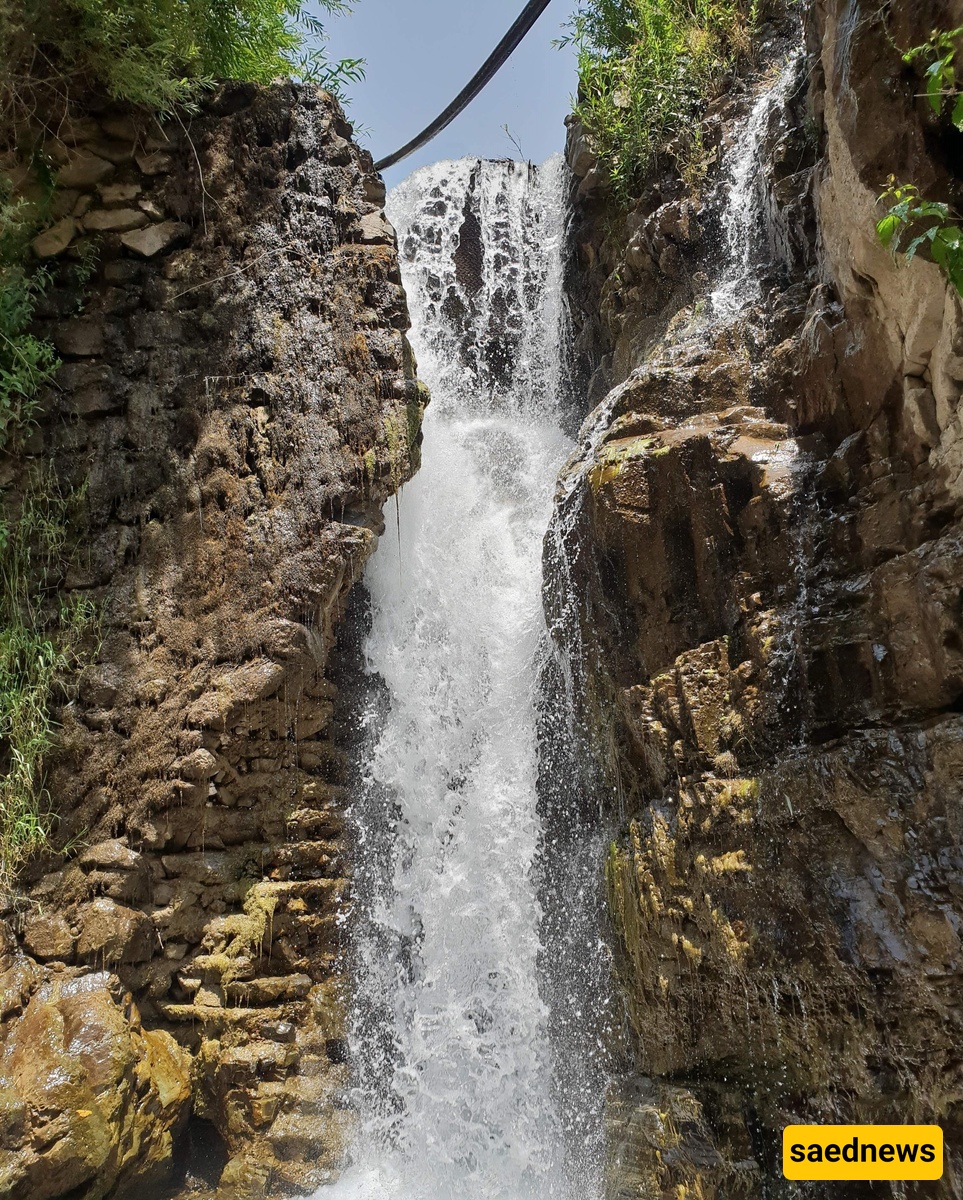
Asara Village: known for springs and waterfalls
Kandar Village: traditional architecture and orchards
Kandovan-e Shahrstanak Village: historical mountain village
Siban Darreh Village, Alborz Province, remains a hidden treasure combining natural beauty and authentic rural culture, offering visitors a peaceful and memorable experience in the heart of the Alborz Mountains.