SAEDNEWS: Managing Household Expenses in Today’s Economy: The Importance of Planning and the Key Role of Women in Many Households

According to Saed News’ Home Services section, no matter how much we say that men should also participate in cooking, we must admit that women truly manage this space exceptionally well, and it is usually women who ultimately bring kitchen tasks to a proper and final conclusion, while men tend to be somewhat inexperienced in this environment. Many women also do not fully accept men’s involvement in the kitchen.
Now that the kitchen is almost entirely under women’s control, it can be more than just a place for cooking; it can become the main stronghold of the family’s economy. In this space, by taking certain measures, significant financial savings can be achieved—especially at a time when prices rise every day and the head of the household must pay more for essential goods.
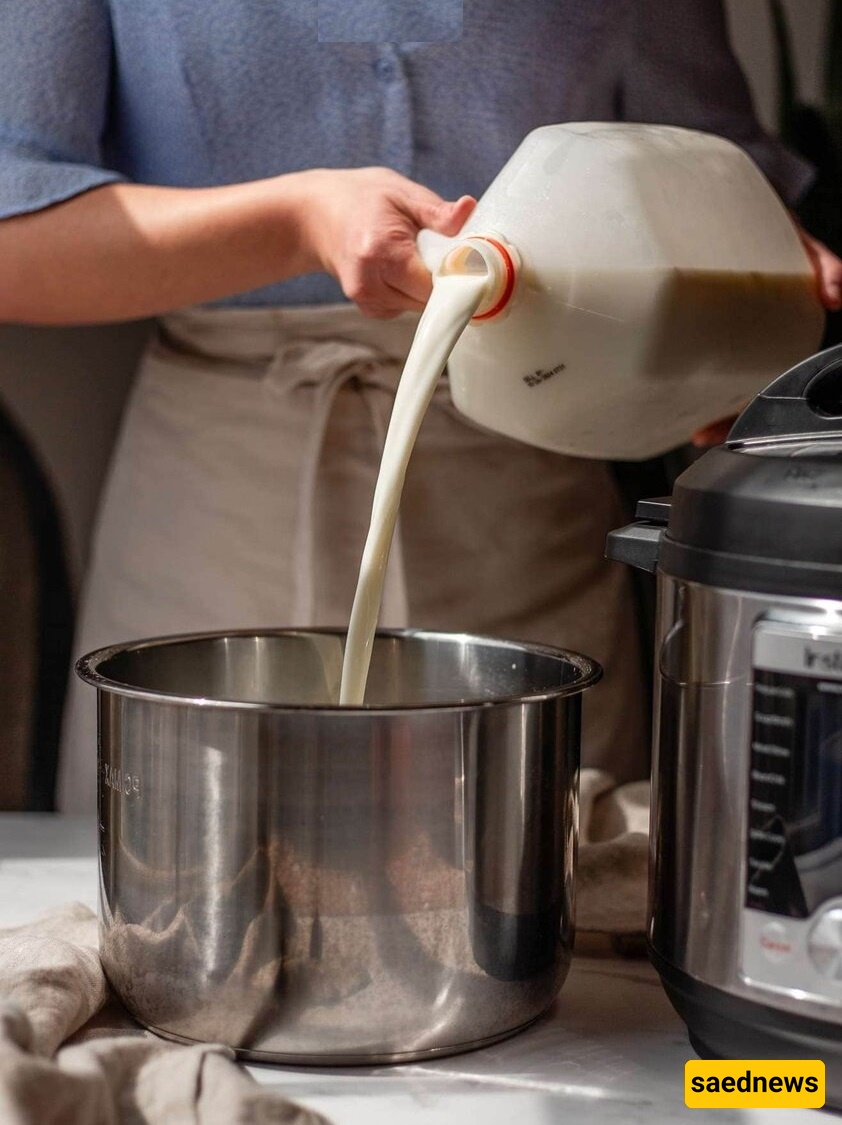
In fact, you should ask yourself: why spend money that could be saved and used for other essential needs on a single expensive jar of industrial yogurt, when you could buy milk from a dairy supplier and make twice as much at home at the same cost, without additives?
You should know that by eliminating ready-made products and replacing them with homemade ones during seasons of abundance, you can not only ensure your family’s health but also maintain your purchasing power against inflation by “pre-buying” seasonal needs for winter during summer. If you are willing, you can even turn this into a small home-based business by selling your homemade products.
Instead of buying industrial yogurt and cheese—which include packaging and intermediary costs—you can buy fresh milk from trusted sources and prepare yogurt, buttermilk, and cheese at home. These products are not only healthier and tastier but also significantly cheaper for a household.
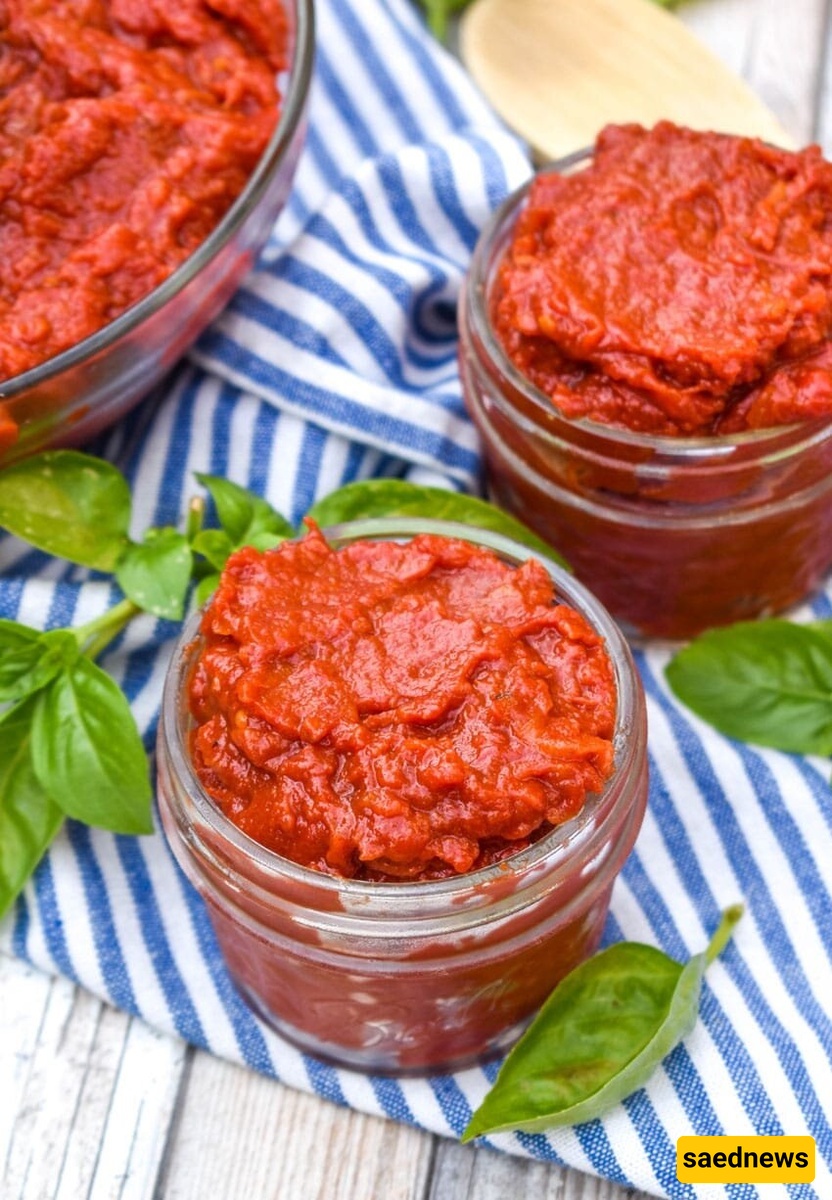
During the tomato or citrus season, prices are at their lowest. By making homemade tomato paste, lemon juice, and verjuice and storing them for the year, you can avoid seasonal price increases and enjoy pure products without preservatives.
You can even have tomatoes, grapes, and lemons processed at fruit markets and then filter and store them in sterilized containers at home. Homemade products are often higher quality and more economical than industrial ones. In autumn, you can also prepare pomegranate paste.
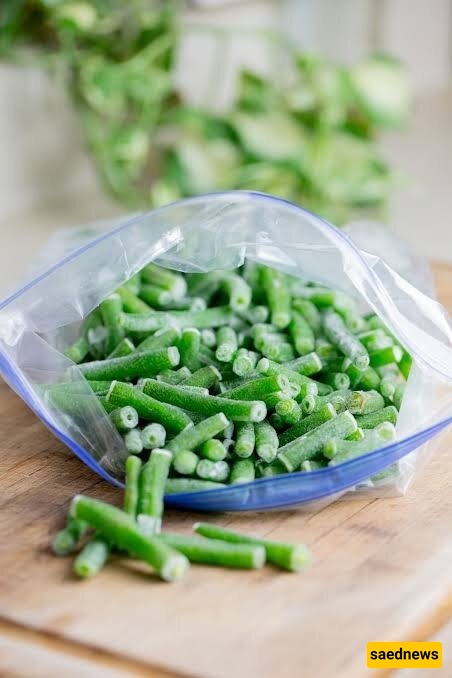
Vegetables such as fava beans, green peas, green beans, okra, and tomatoes can be purchased in spring and summer when they are cheaper. After proper preparation (blanching or pureeing), they can be frozen for use in winter, eliminating the need for expensive frozen products.
You can also buy nuts like pistachios, almonds, or hazelnuts in season, slice them at home, and store them for later use.
Syrups such as sour cherry, sekanjabin, or orange blossom syrup can be prepared in bulk during their season and stored in sterilized jars. This reduces the need for sugary industrial beverages and provides healthier options for guests.

Herbs such as mint, parsley, and tarragon can be dried during spring and summer. Fruits like apples and berries can also be dried using a dehydrator or household heat sources. This creates inexpensive, healthy snacks available year-round.

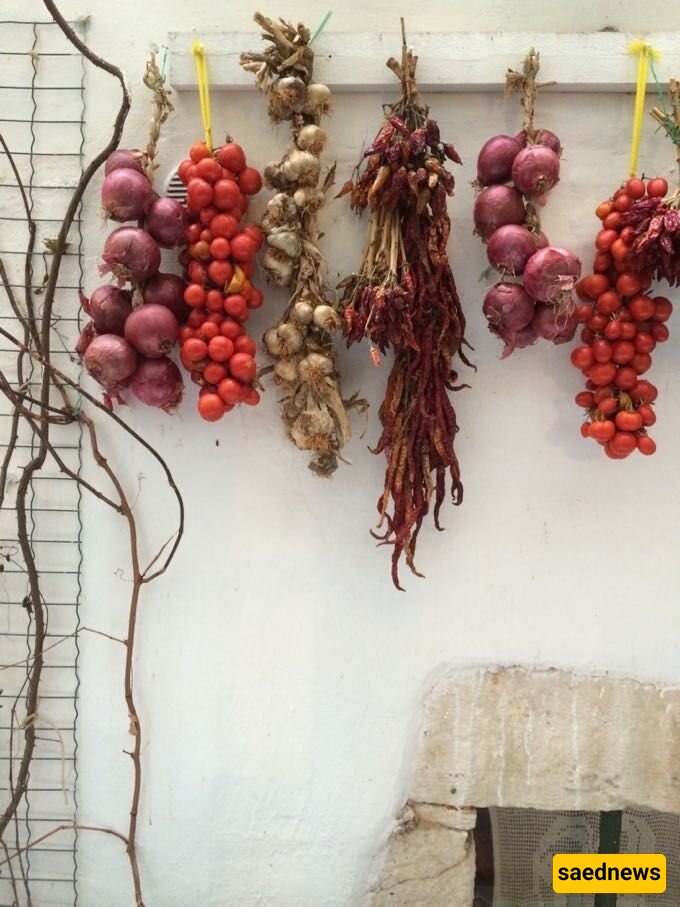
Drying vegetables and turning them into powdered spices such as onion powder, garlic powder, tomato powder, and chili powder can reduce costs and ensure healthier seasoning for food.
Pickling is a great way to preserve vegetables or unripe seasonal produce. It reduces food waste and creates long-lasting, high-quality condiments without preservatives.
Homemade pickles such as mixed pickles, eggplant relish, or red cabbage pickles are often expensive when bought ready-made.
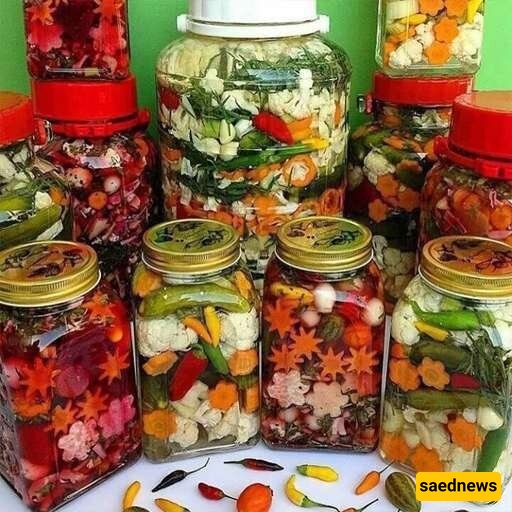
During fruit seasons such as mulberry season, collecting wild fruits during recreational trips and drying them can provide nutritious and cost-free food sources.

Buying seasonal fruits like apples, carrots, melons, and oranges and making juice at home is far more economical than buying packaged juices. It also ensures 100% natural products without sugar or additives.

Smart shelving: Separate dry goods from refrigerated items for better organization.
Invest in equipment: Use extra cooling space if available for homemade products.
Track inventory: Keep a simple list of stored items to prevent waste and spoilage.
Your kitchen should not only be a place of consumption but also a small production unit. Every amount saved through homemade production is a gain that helps you stay ahead of inflation. These savings can be collected in a separate fund to strengthen your household’s financial power over time.
You can compare store prices with homemade costs to understand your actual savings.
Finally, what kitchen-saving tips do you use?