SAEDNEWS: Naturally, the works registered on the UNESCO World Heritage List are of very high value and significance, and tourism enthusiasts place these sites at the top of their travel itinerary lists.
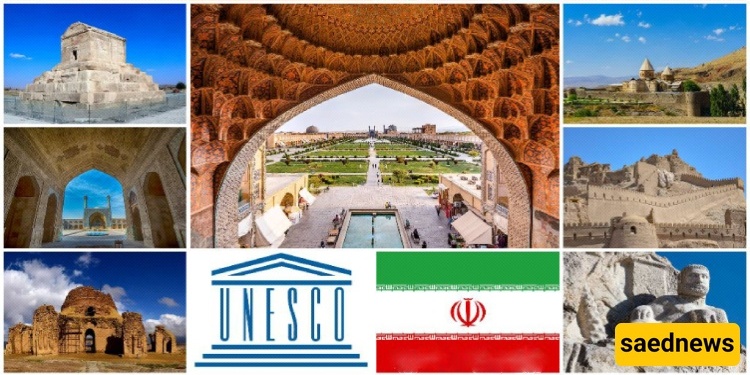
According to Saednews, In this article, we explore those historical monuments of Iran that have been registered on the UNESCO World Heritage List. If you plan to travel across Iran and visit UNESCO-listed sites, this guide will help you recognize them and understand where they are located.
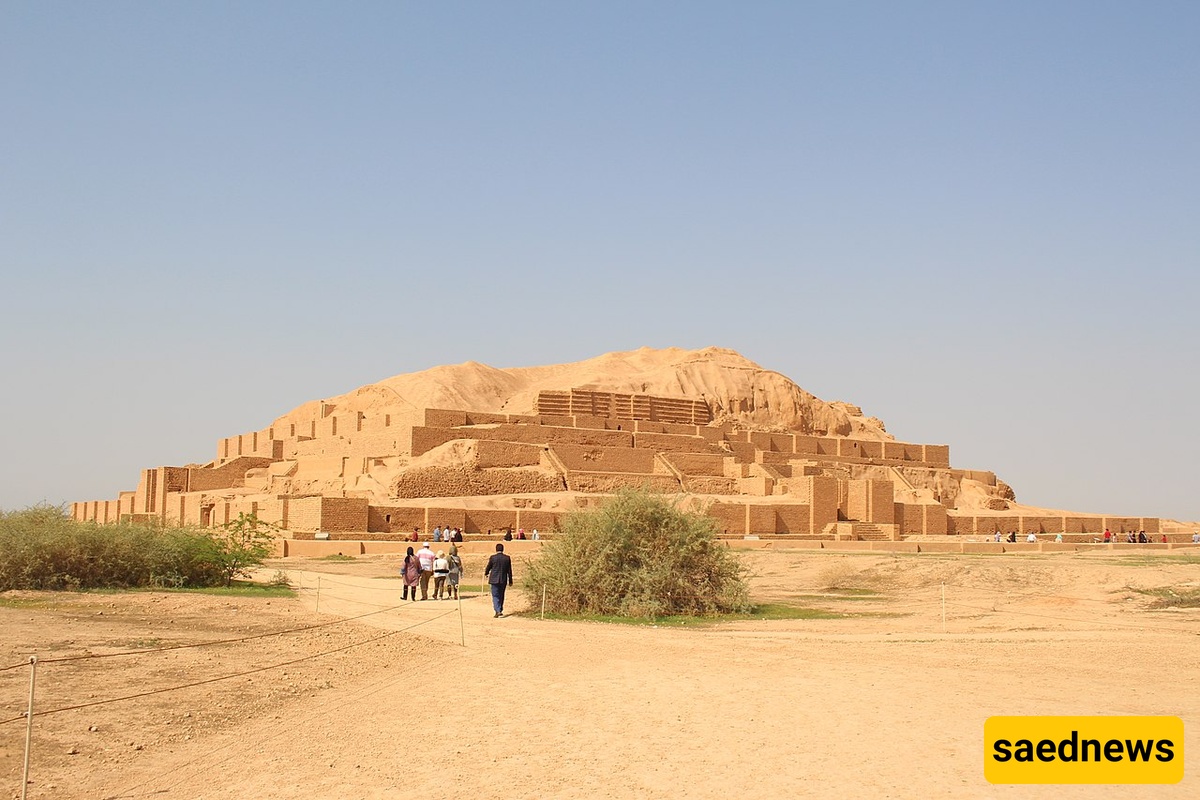
To begin introducing Iran’s UNESCO-listed historical sites, we must start with the Chogha Zanbil Ziggurat, one of the earliest sites registered by UNESCO. This ancient structure is a temple where the Elamites used to worship. The construction of this sacred site dates back to around 1250 BCE. The Chogha Zanbil Ziggurat originally had five levels, but over time much of it was destroyed, and only two levels remain today.
It may surprise you to learn that the Trans-Iranian Railway is also a UNESCO World Heritage Site, but it is true. This railway was built during the reign of Reza Shah Pahlavi, with the goal of connecting northern and southern Iran by rail. The 1,394-kilometer railway links Bandar Torkaman near the Caspian Sea to Bandar Imam Khomeini on the Persian Gulf. Traveling on this route allows passengers to pass through 230 tunnels and 4,100 bridges while experiencing a wide range of climates and landscapes.
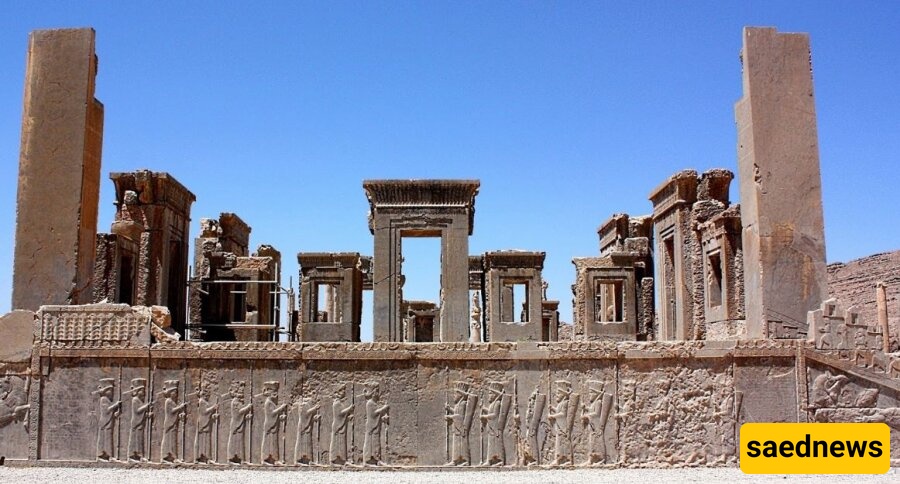
Persepolis is one of Iran’s most famous ancient sites, known for its grandeur and beauty. It was among the first Iranian monuments inscribed on the UNESCO World Heritage List in 1979. This vast ceremonial complex was built by Darius I of the Achaemenid Empire. Persepolis is located about 10 kilometers north of Marvdasht, and a trip to Shiraz is not complete without visiting it.
Naqsh-e Jahan Square is a historic square with traditional architecture and a lively atmosphere. It was built during the Safavid era when Isfahan was the capital of Iran. It remains the main traditional market of Isfahan today and is one of the most visited attractions in the city. Several important monuments are located around the square, including Imam Mosque, Sheikh Lotfollah Mosque, Ali Qapu Palace, and Qeysarieh Gate.
The Pasargadae complex is an ancient archaeological site built during the Achaemenid period and was inscribed on the UNESCO World Heritage List in 2004. Located about 130 kilometers from Shiraz, it includes the Tomb of Cyrus the Great, palaces of the Achaemenids, and historical gardens.
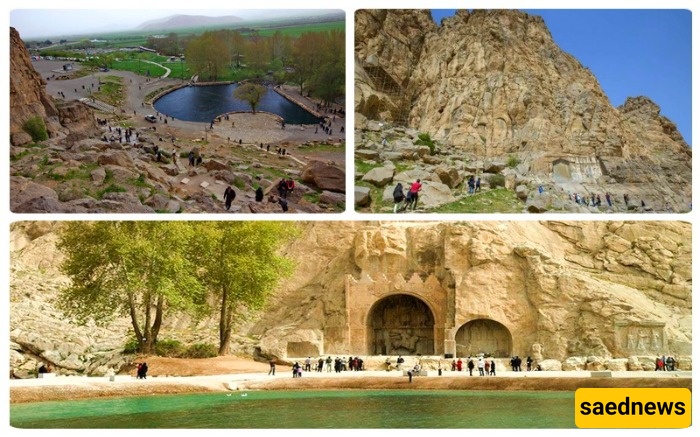
Mount Bisotun, located about 30 kilometers from Kermanshah, was once an important route for caravans and later became a major historical crossroads. Today, the site includes numerous ancient inscriptions and monuments, with around 13 inscriptions and columns registered as UNESCO heritage.
Takht-e Soleyman is an ancient historical site located in West Azerbaijan Province near the town of Takab. Its history is associated with five different civilizations. The site mainly includes ancient temples and structures and is one of the most important historical attractions in the region.
The Soltaniyeh Dome is a historic monument located in the city of Soltaniyeh in Zanjan Province. It is an octagonal structure topped with a 48-meter-high dome, once used as a royal mausoleum. It was registered as a UNESCO World Heritage Site in 2005.
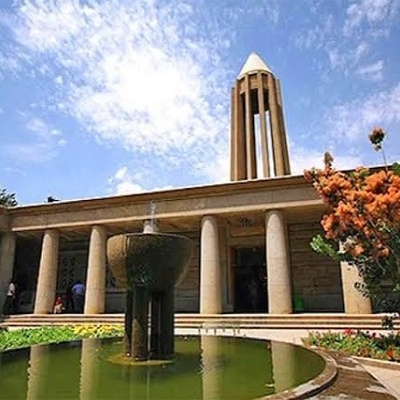
Hegmataneh was added to the UNESCO World Heritage List in 2024. This ancient archaeological site is located in the hills of modern-day Hamadan and dates back several thousand years. Its architecture and discovered artifacts make it one of the most important historical attractions in Hamadan.
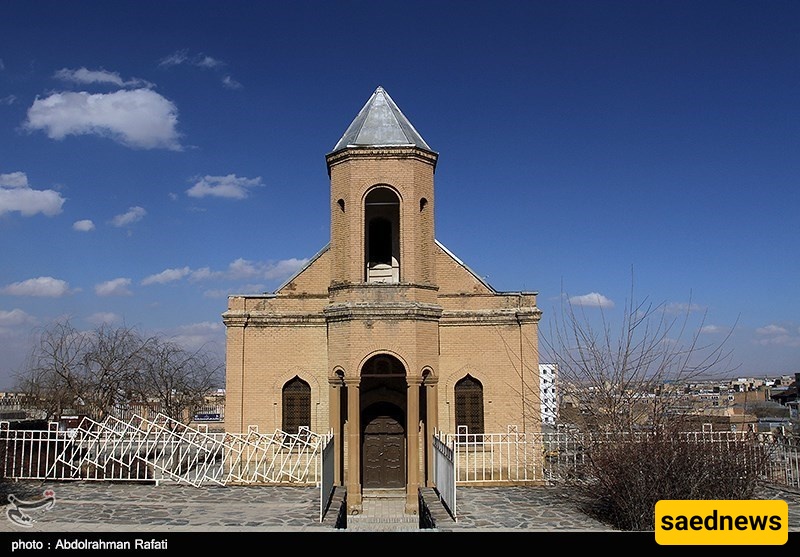
Golestan Palace is a historic royal complex in Tehran that predates the Qajar era. Located within a large garden, it served as a residence for Iranian monarchs for many years. Today, it functions as a museum and is listed as a UNESCO World Heritage Site.
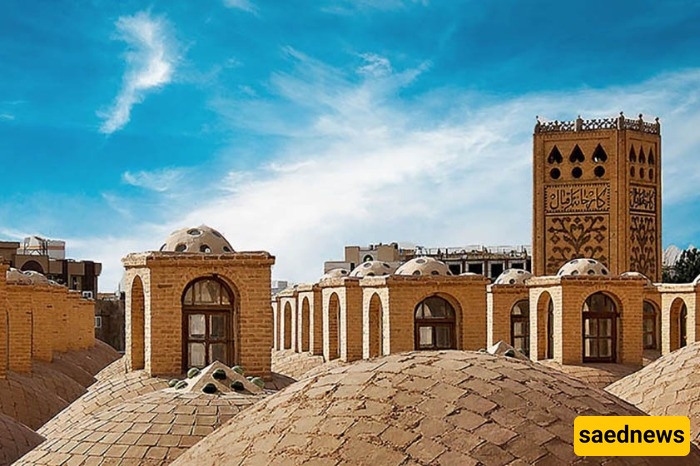
Yazd is known as one of the oldest mudbrick cities in the world, with a rich concentration of historic architecture. The historic urban fabric of Yazd contains the highest density of ancient structures and is fully registered as a UNESCO World Heritage Site. It is also one of the top destinations for international tourists in Iran.
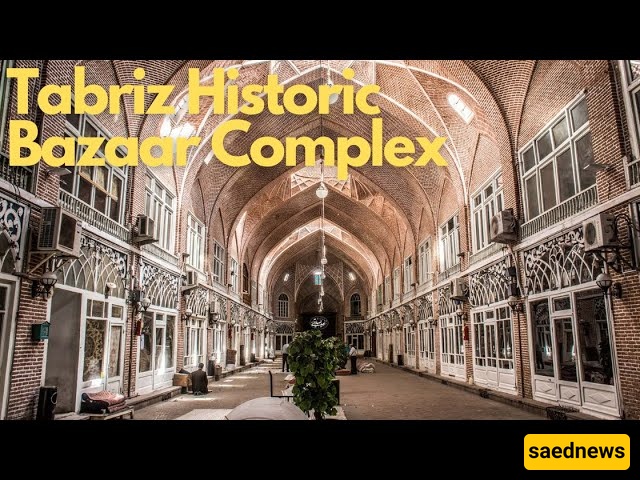
The historic bazaar of Tabriz is one of the oldest and largest covered bazaars in the world and is listed as a UNESCO World Heritage Site. Located in the center of Tabriz, it stretches nearly one kilometer and offers both cultural exploration and traditional shopping in a historic setting.
The Jameh Mosque of Isfahan, also known as the Atiq Mosque, is located in the historic part of the city and is registered as a UNESCO World Heritage Site. It is one of the oldest mosques in the Islamic world and played an important role in the development of urban life in Isfahan.
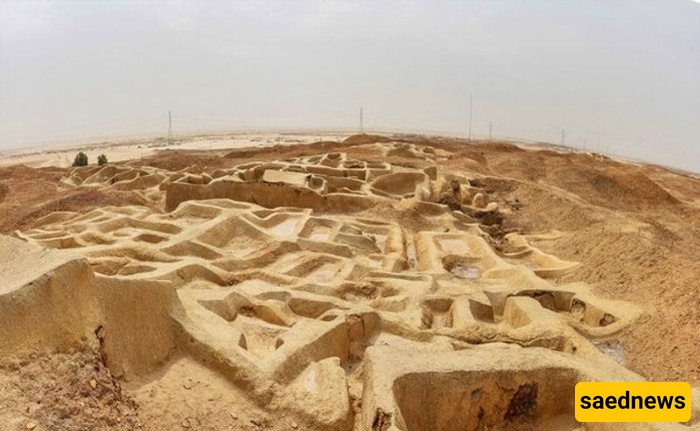
Shahr-e Sukhteh is an ancient archaeological site located in Hamun County, Sistan and Baluchestan Province, dating back more than 5,000 years. Remarkable discoveries have been made here, including evidence of early brain surgery and one of the earliest known artificial eyes in history.
Iran has a vast number of historically significant sites that are recognized globally. Many of them are listed as UNESCO World Heritage Sites. Among the first registered were Naqsh-e Jahan Square, Persepolis, and the Chogha Zanbil Ziggurat in 1979. Over time, many more sites have been added to this list. As shown in this article, these landmarks represent some of the most important historical and cultural treasures of Iran, offering travelers the opportunity to explore world-class heritage without leaving the country.