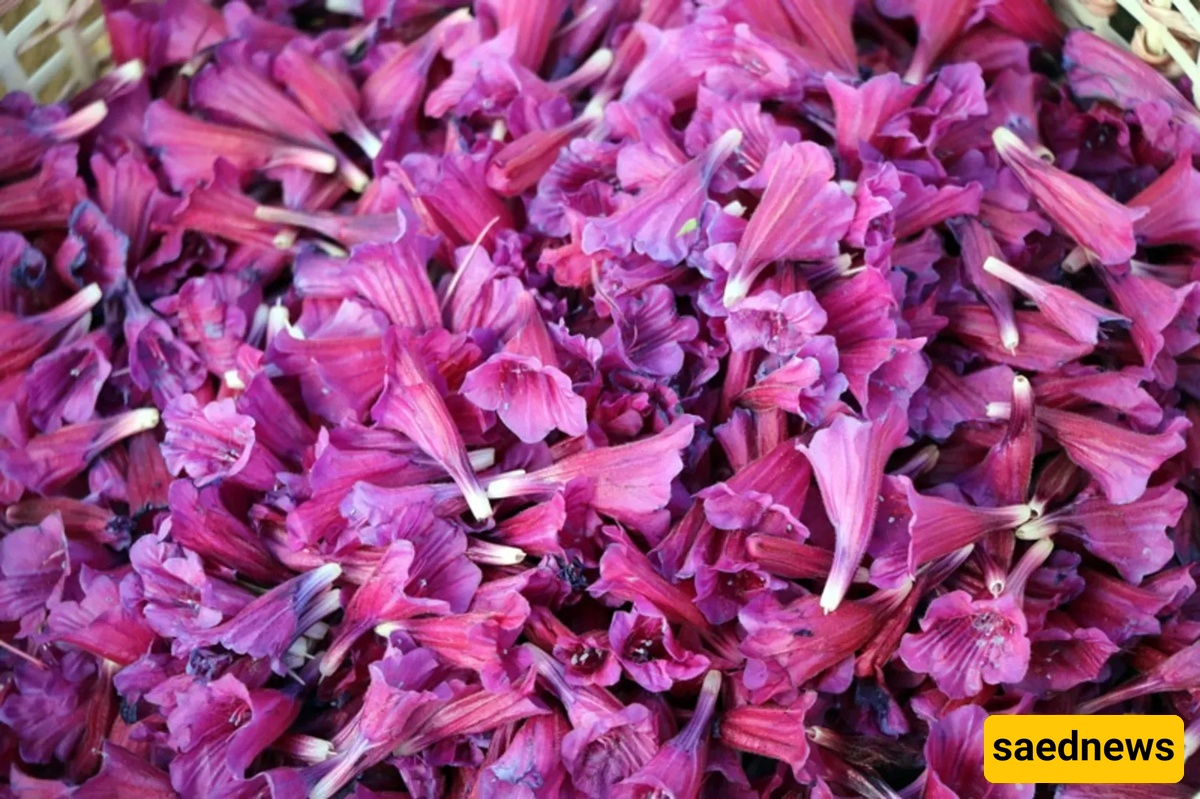
SAEDNEWS: Spring Brings Purple Borage Blossoms to Ashkourat Highlands of Rudsar as Local Farmers Begin Harvesting Medicinal Plant
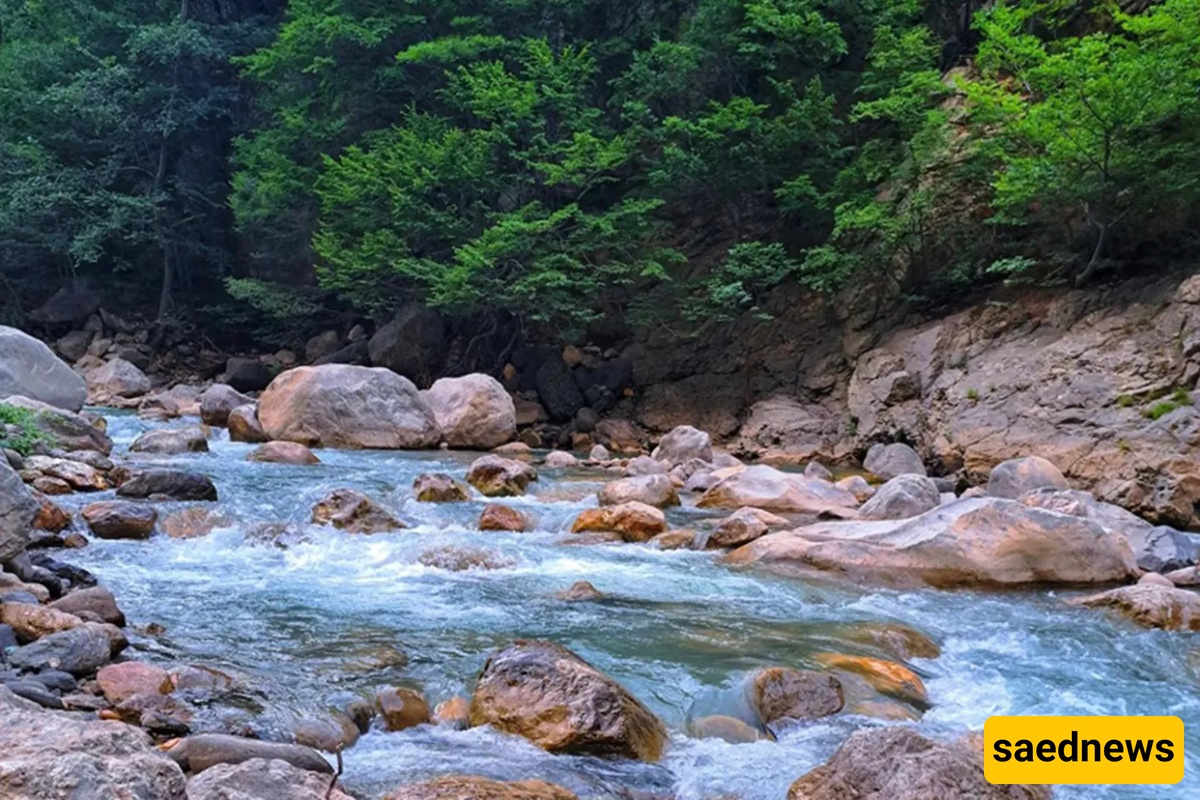
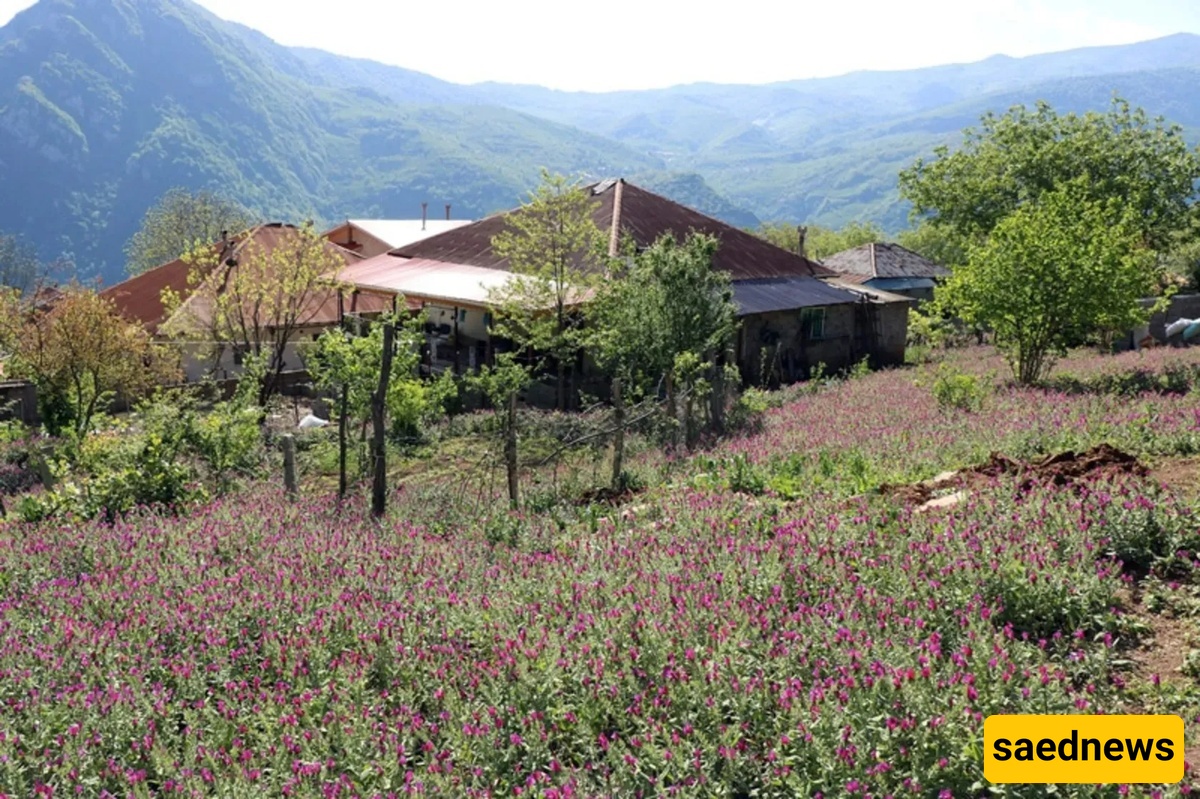
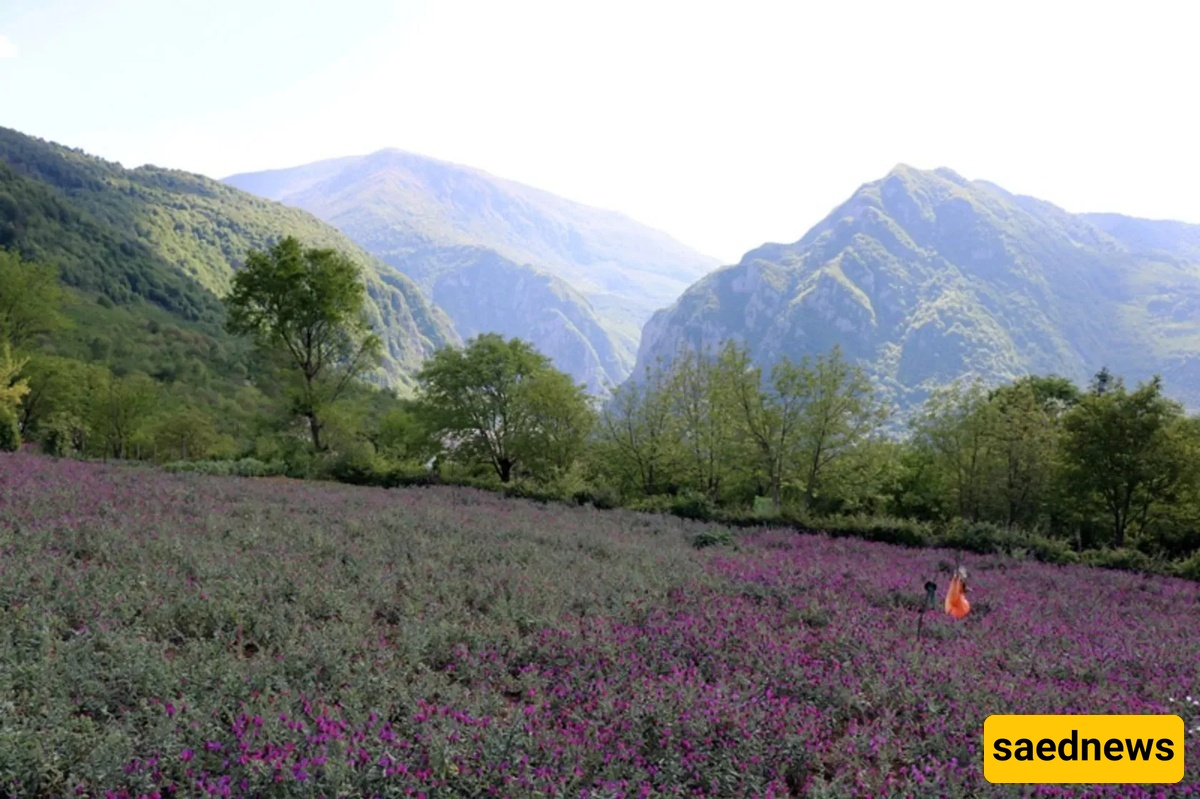
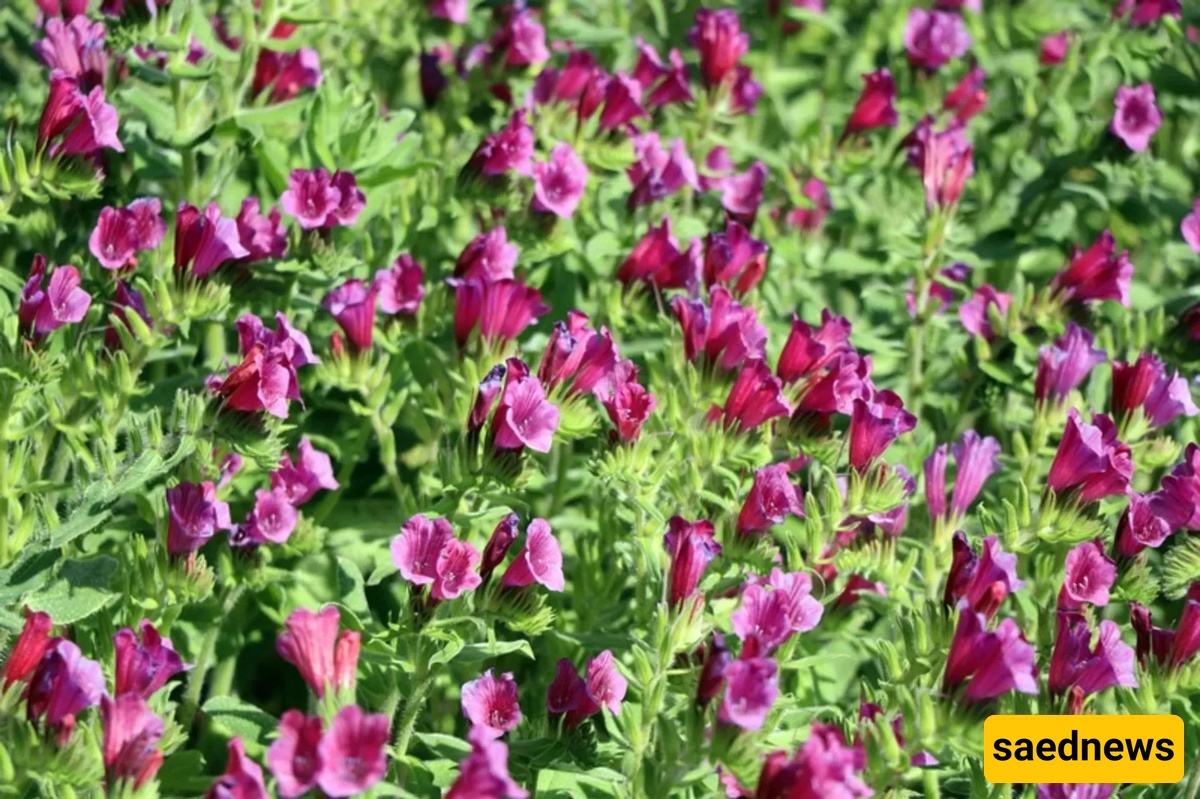
According to the tourism service of Saed News, the green highlands of Ashkourat in Rudsar once again come alive in spring with the blooming of purple borage flowers. Beyond their visual beauty in Gilan’s natural landscape, these plants are considered an important part of the region’s agricultural heritage and traditional medicinal culture.
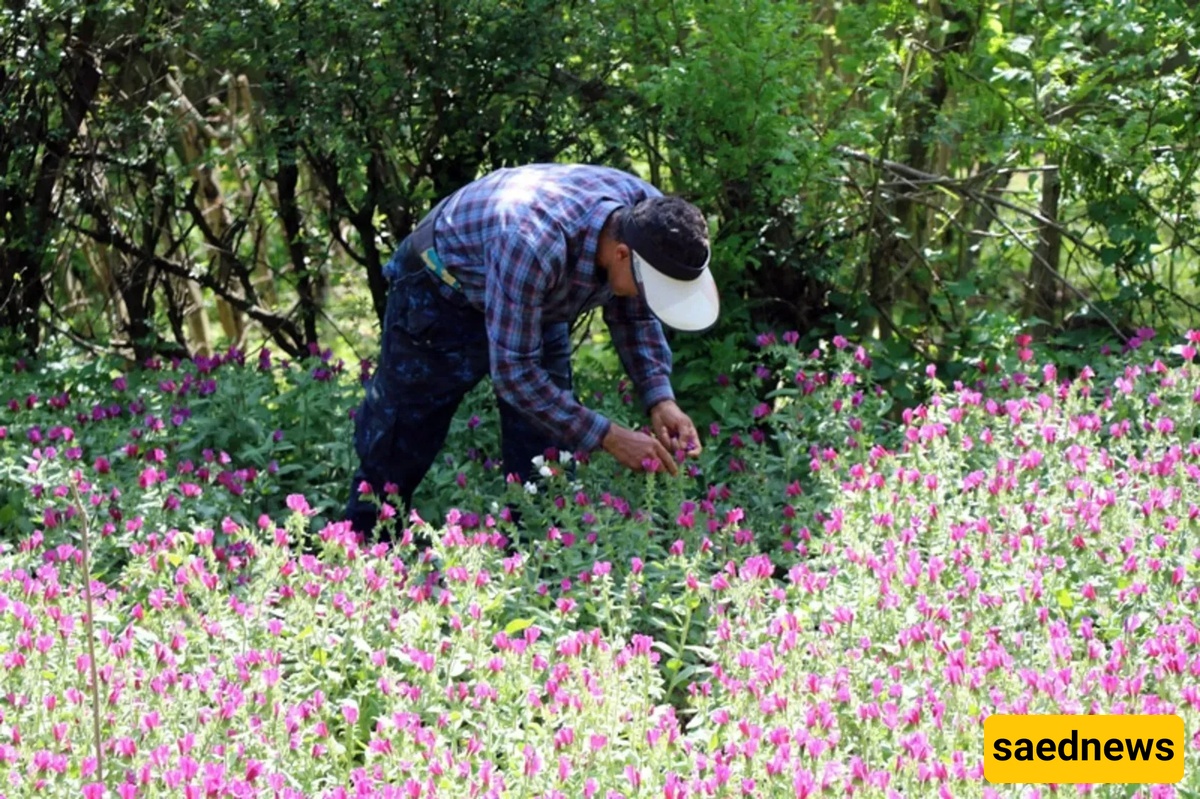
Local farmers, working in the cool mountain air, carefully and skillfully harvest these blossoms, which are regarded as symbols of healing and therapeutic value. The harvested products from the Ashkourat highlands carry the calming fragrance of Gilan’s mountains to markets across the country.
This annual traditional practice revives the long-standing bond between humans and nature in the heart of Ashkourat, representing both the cultural and economic interaction of local communities with their environment.
Ashkourat is part of Rahimabad in Rudsar County. It begins from the southernmost area of Rudsar and extends to the southernmost region of Ramsar.
Located along the Alborz mountain range, Ashkourat is bordered by Qazvin Province to the south, Amolsh, Siahkal, and Alamut (Rudbar) to the west, Ramsar and Tonekabon to the east, and the mountainous areas of Rahimabad and Ramsar to the north.
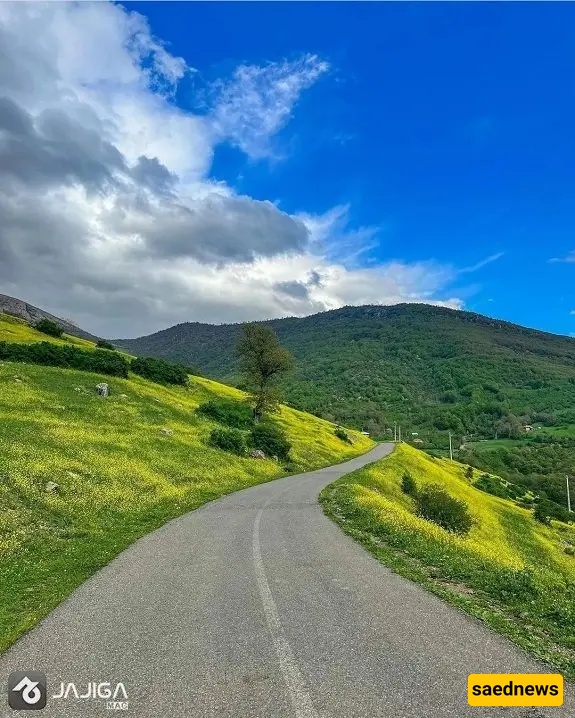
Traveling from Tehran to Ashkourat offers three main routes:
The first route starts from western Tehran via the Karaj–Qazvin and Qazvin–Rasht highways. Before reaching Rasht, travelers continue east through Saravan–Sangar–Siahkal, then pass Lahijan, Langarud, and Rudsar before arriving in Rahimabad and Ashkourat.
The second route goes from western Tehran through the Chalus road toward Mazandaran. After passing Chalus, Namak Abroud, Tonekabon, Ramsar, Chaboksar, and Kalachay, the road leads to the winding Ashkourat mountain route.
The third route, connecting Ashkourat to Qazvin, is considered one of the most beautiful roads in Iran and is itself a tourist attraction. Stretching about 180 kilometers, it passes through scenic areas including Qazvin, Barajin, Zarsakh, Gadook Pass, Kaman, Filar, Razmian (the center of western Alamut), Hir, Viar, Gun Kuh Pass, Separde, Lashkan, Parandan, Bargahe Dasht, Kakrud, Sipl, Garmabdasht, Jirkel, Nilu, Sefid Ab, Lat, and finally Rahimabad.
This route offers untouched landscapes and stunning natural views. Much of the road is paved and was constructed to shorten access to eastern Gilan and western Mazandaran.
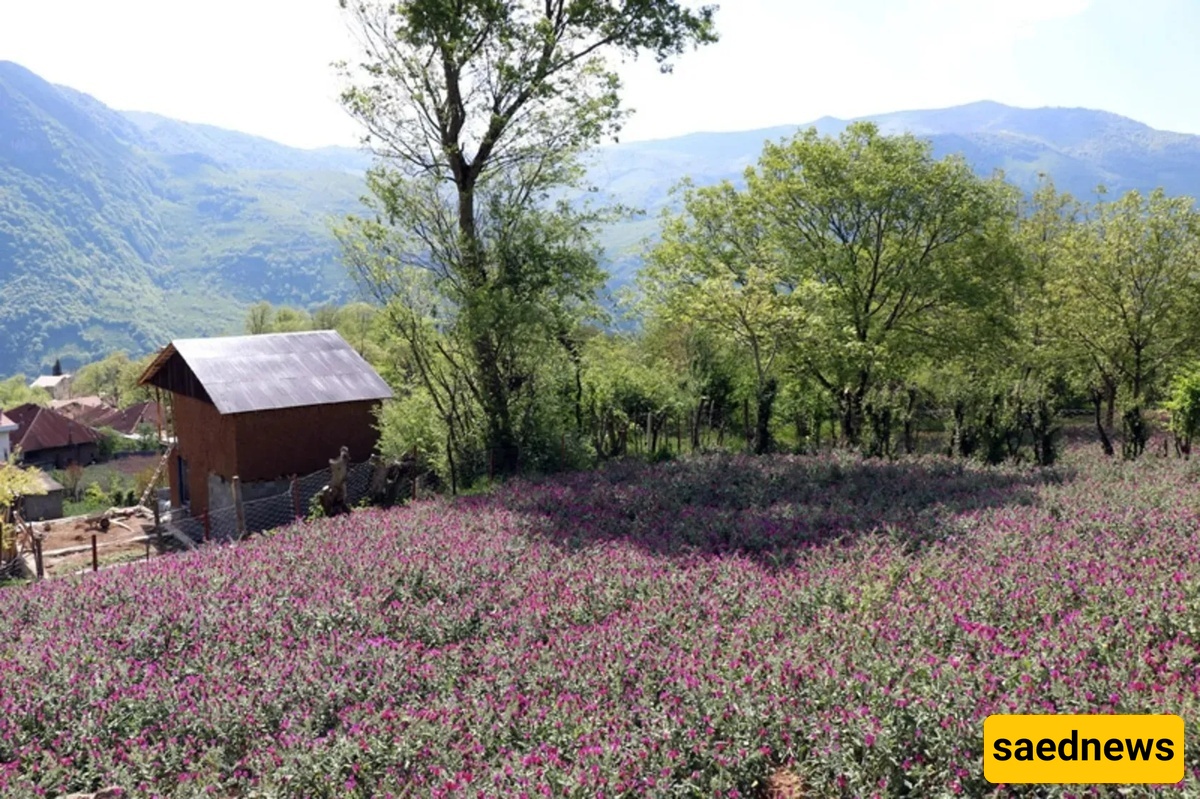
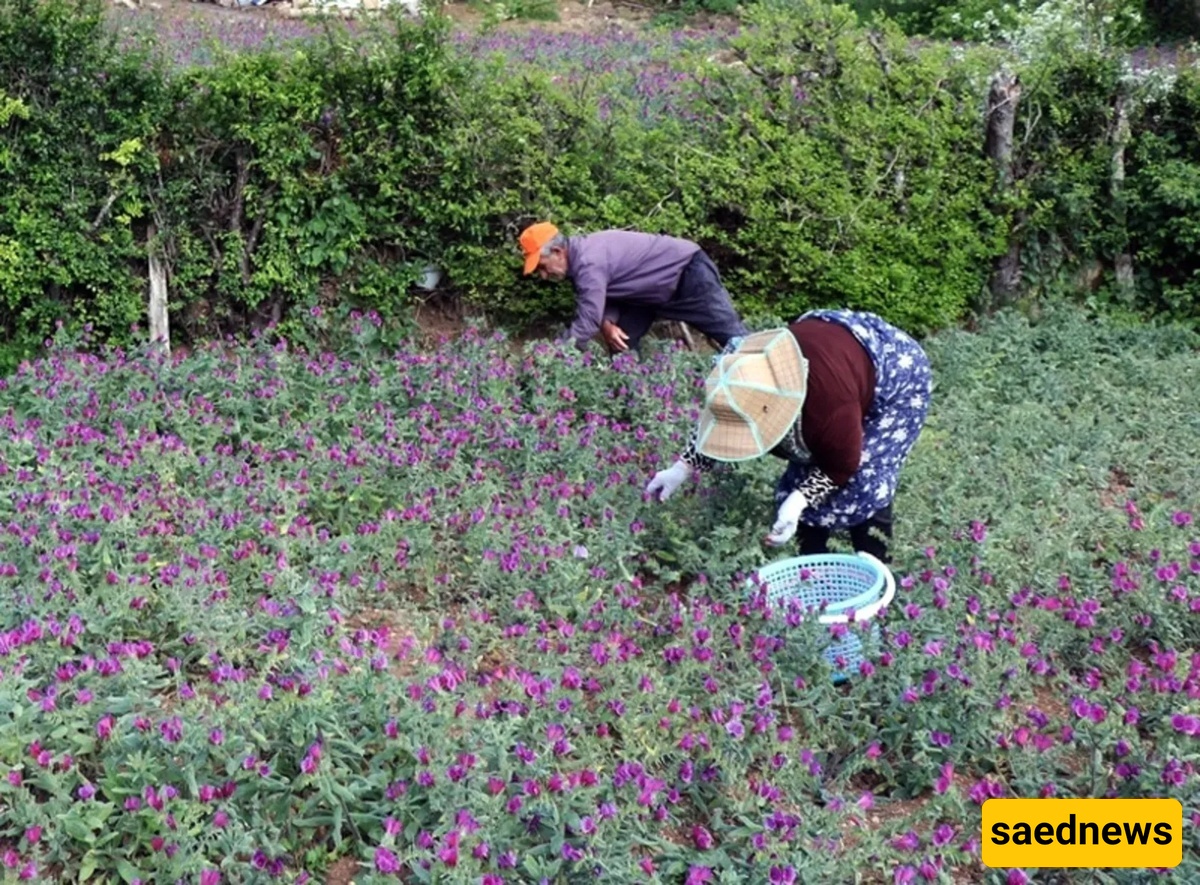
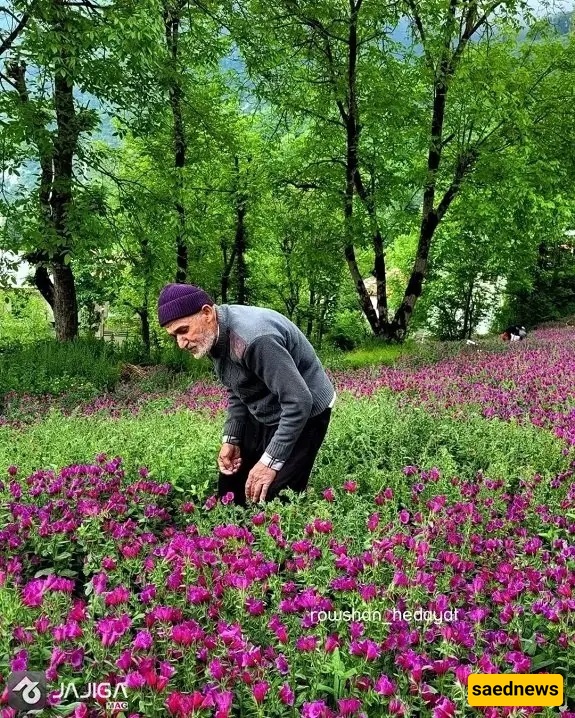
Ashkourat is a mountainous and summer highland region located along the Alborz range. With approximately 470 hectares under cultivation and an annual production of about 220 tons of borage flowers, it is considered the main production hub of this plant in Iran and is known as the “Borage Capital of Iran.”
Every year during the harvest season, a borage festival is held to support local farmers, featuring traditional ceremonies, celebrations, and cultural events.
Ashkourat’s borage is also one of Iran’s export products, shipped to countries such as Vietnam and China.
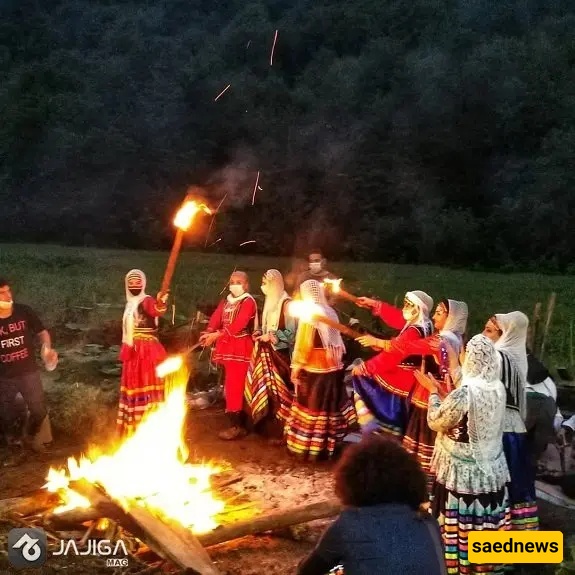
Nowruzbal, meaning “New Year’s fire,” is the name of an ancient Dilami New Year celebration that is still held in parts of Gilan.
It marks the beginning of the new year and the first month in the Gilaki Dilami calendar. Traditionally held in mid-August, the ceremony is still preserved by the people of Ashkourat.
During the festival, locals gather firewood on a hill and light a large fire. People celebrate with music, traditional songs, and local dances, honoring the rising flames of the Nowruz fire.
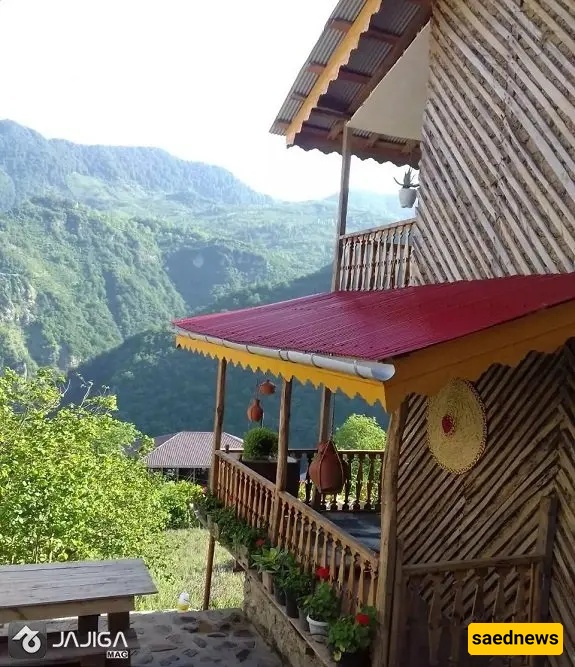
The highland villages of Ashkourat in the mountains of Rudsar, with their untouched natural beauty, are an attractive destination for eco-tourism in Gilan.
By renting villas or mountain cottages in Rudsar or specifically in Ashkourat, visitors can experience authentic rural life in this beautiful highland region.