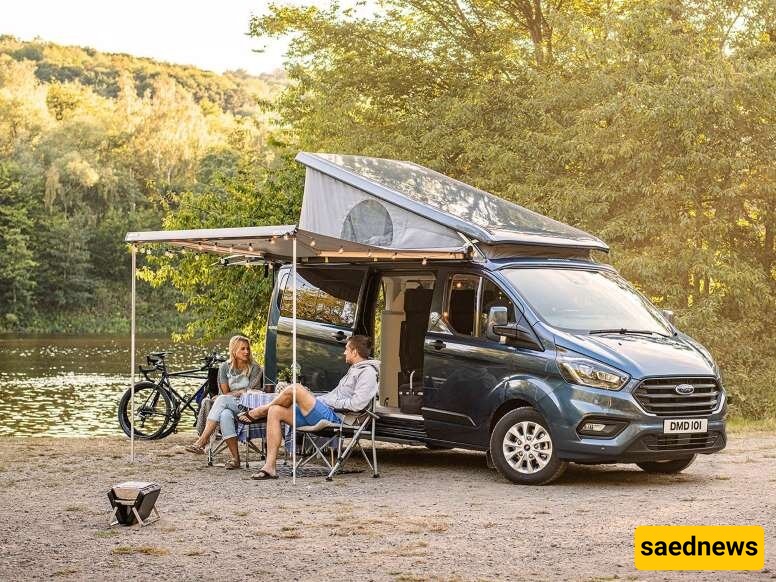
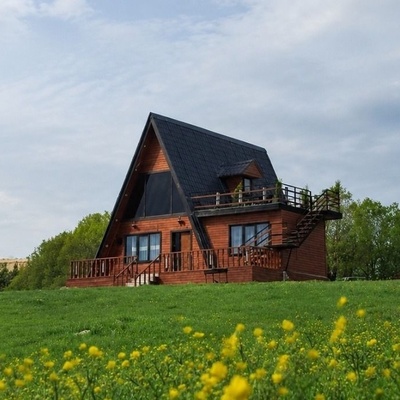
SAEDNEWS: Van life is a recent lifestyle trend. Many people have at times wished to leave home for months and travel across Iran. Today, living and traveling in a van has become a way of life for some people around the world.Here are some key points about this lifestyle.
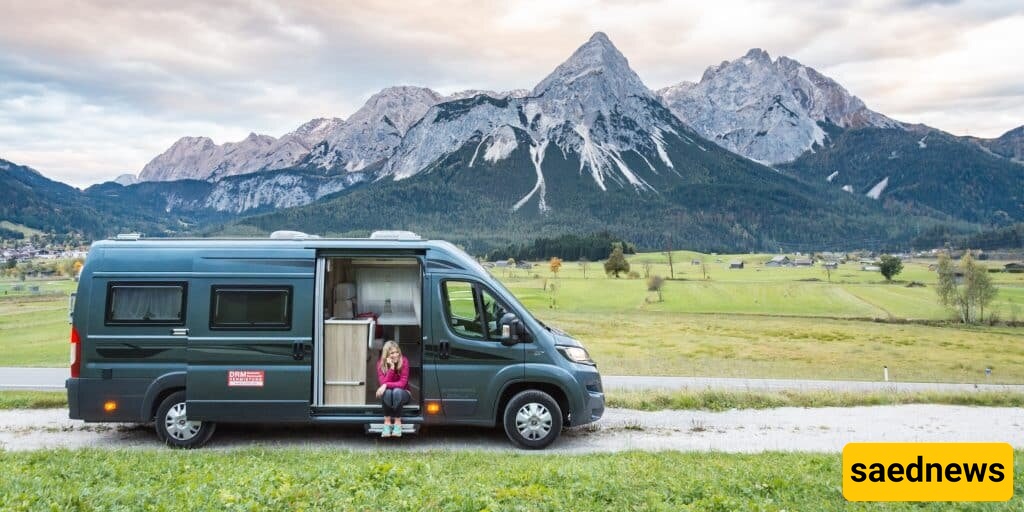
According to a tourism report by SaedNews, van life is one of the most unique lifestyles in the world—one in which a person leaves behind a traditional home and chooses to live and travel in a fully equipped van or camper. What once may have seemed like an unrealistic idea has now become a common lifestyle in many parts of the world, where people live, travel, and work from their mobile homes.
If you love traveling, adventure, and gaining unique life experiences, this lifestyle might be interesting for you.

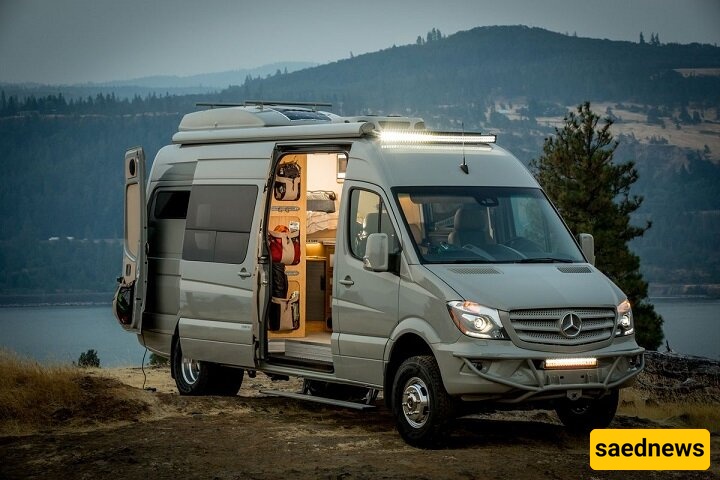
The first thing that usually attracts people to van life is the beautiful images of fully equipped vans with comfortable interiors and a sense of freedom. Van life refers to a lifestyle in which a person buys or converts a camper van and uses it both as transportation and as a home while traveling. People who choose this lifestyle are called “van lifers.”
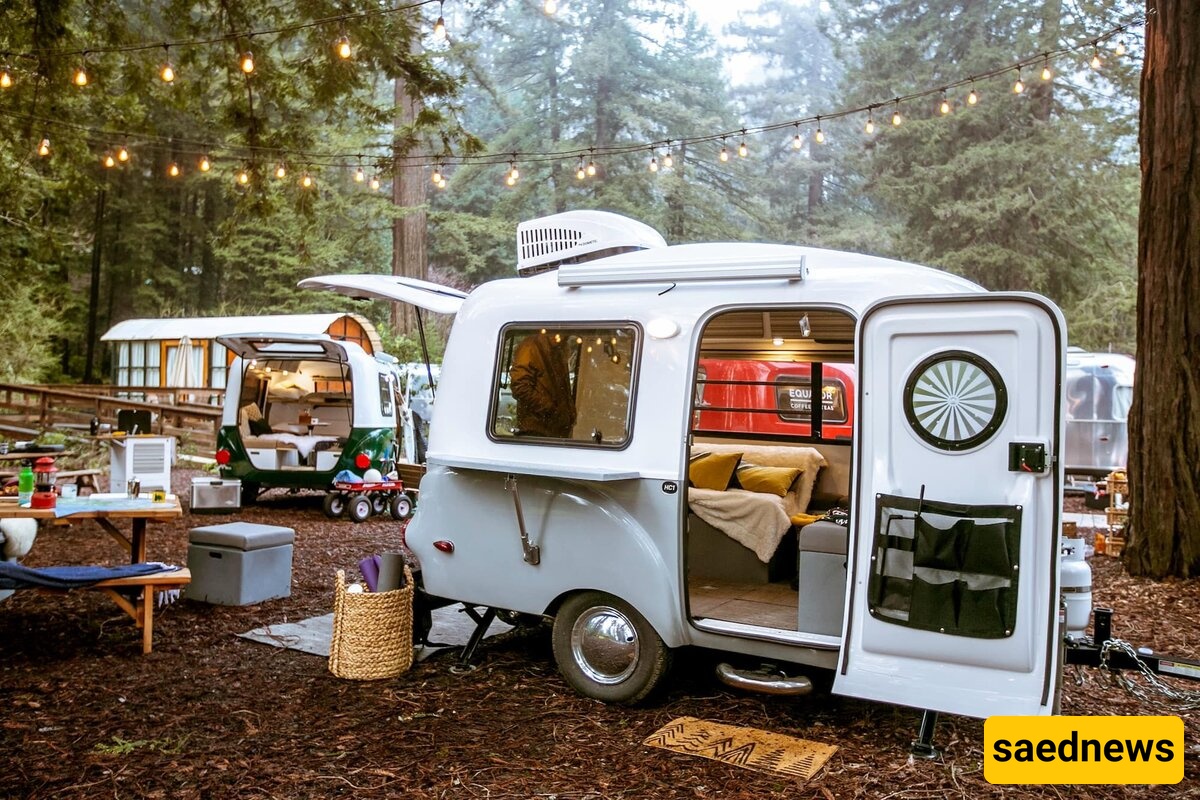
Before anything else, you need to ask yourself whether you are mentally prepared for this lifestyle. Like any other way of living, van life comes in different forms. Some people only spend weekends traveling in their vans, while others live in them full-time.
Common traits among van lifers include a love of adventure, risk-taking, and a passion for travel.
Some are retirees who already own a house but still prefer to spend part of their time living on the road. In most cases, having a travel partner is helpful, since managing driving, cooking, maintenance, and daily tasks alone can be challenging.
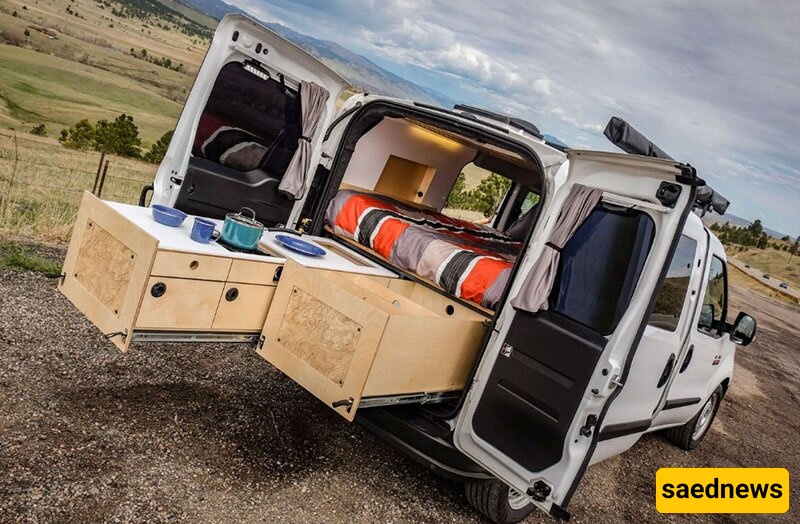
A camper is a mobile living space attached to a vehicle, effectively turning it into a small moving home. Campers can be purchased or customized based on budget and needs. They may include features such as a toilet, shower, television, seating, bed, sink, water system, and heating or cooling systems.
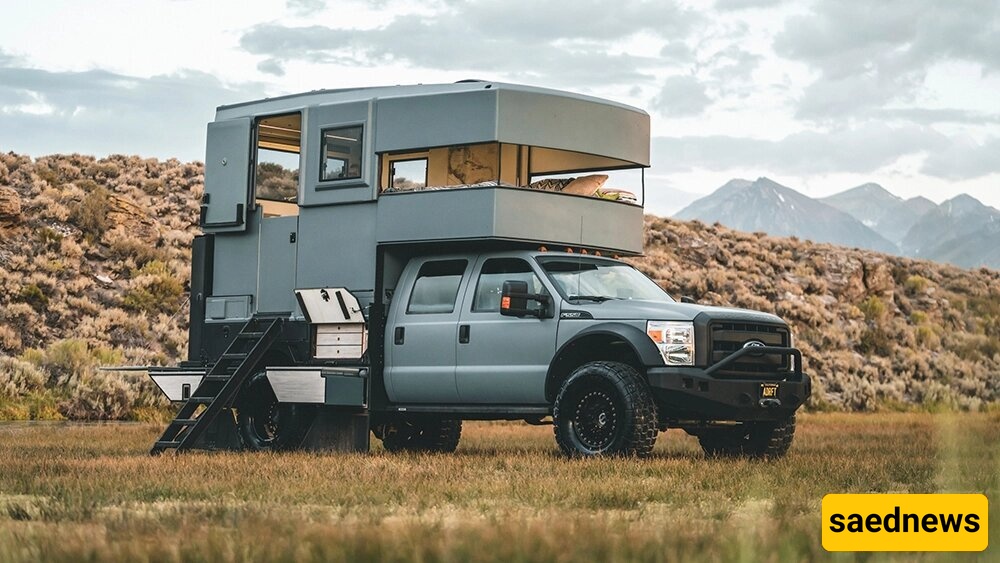
For a comfortable life in a van, sufficient interior space is important. The most essential area is the kitchen, which usually includes a sink, one or two burners, and storage cabinets. Other necessary spaces include a bed, table, and wardrobe. Larger vans may also include a bathroom and toilet.
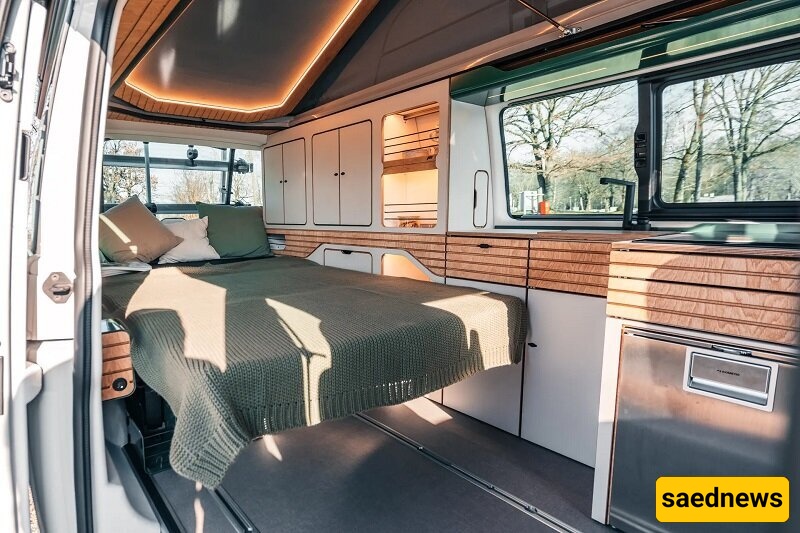
When choosing a camper, attention must be paid to the vehicle’s condition and features. It is important to ensure that the vehicle is mechanically sound before any interior modifications.
If converting a regular vehicle into a camper, consulting a mechanic is essential. Efficient use of space and multifunctional design are key. Many people also learn basic repair and maintenance skills.
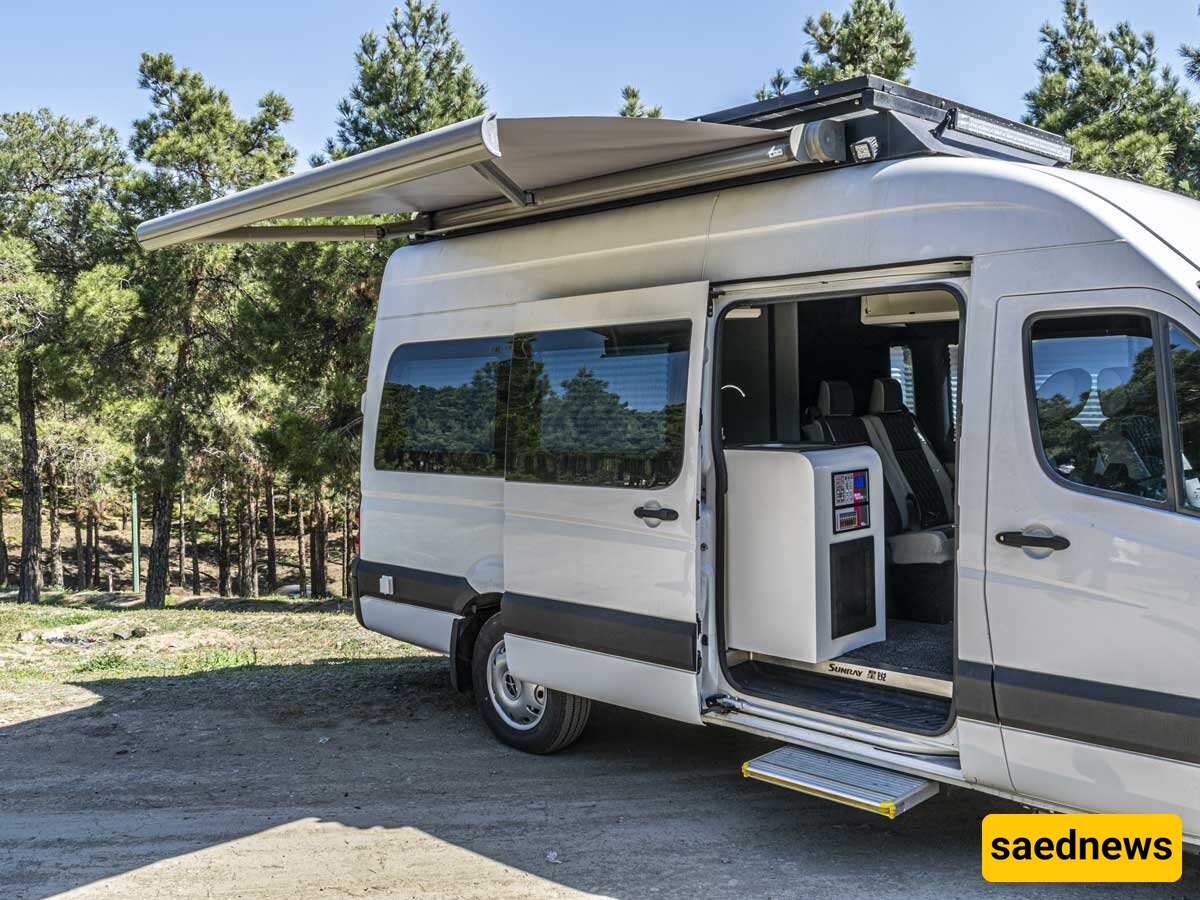
Water management is one of the most important aspects of camper living. Most campers carry water tanks with a capacity of 100 to 200 liters, which must be refilled regularly.
Wastewater is stored in a separate tank and must be emptied at designated disposal points in cities.
Electricity is usually supplied through the vehicle’s alternator and stored in a battery system. Gas for cooking is typically provided through gas cylinders, although electric stoves can also be used.
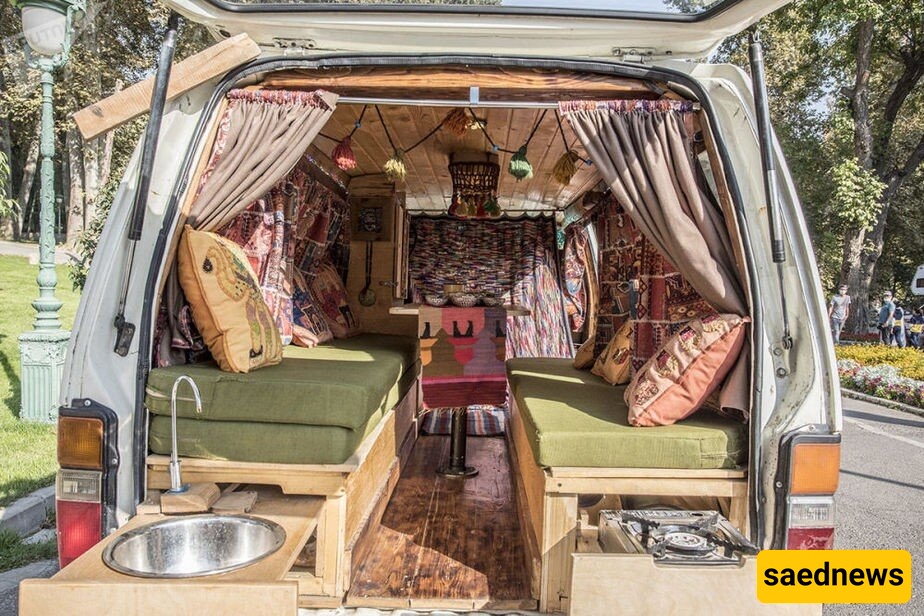
Parking options vary depending on the vehicle type and travel needs. Options may include urban parking areas, paid or free campsites, and designated rest areas that provide access to essential facilities such as bathrooms and showers.
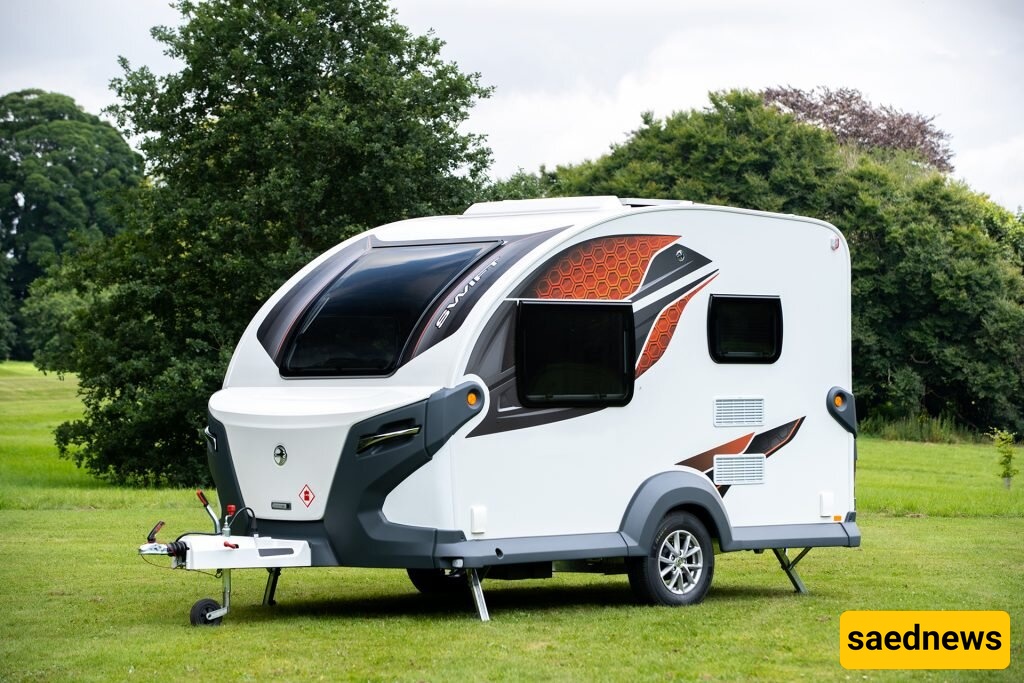
Cooking is a basic need during travel. Some prefer cooking outdoors over a fire, while others use small kitchen setups inside the van. Long-term travelers may invest in a full kitchen setup including a stove and portable refrigerator, although this increases overall costs.
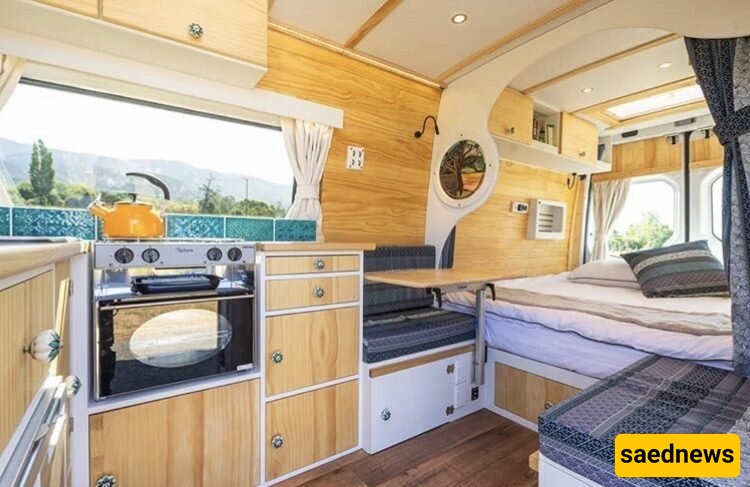
Freedom from high urban living costs such as rent and loans
Opportunity to travel frequently and explore new places
Exposure to different cultures, languages, and environments
More time spent in nature
Greater independence and personal growth
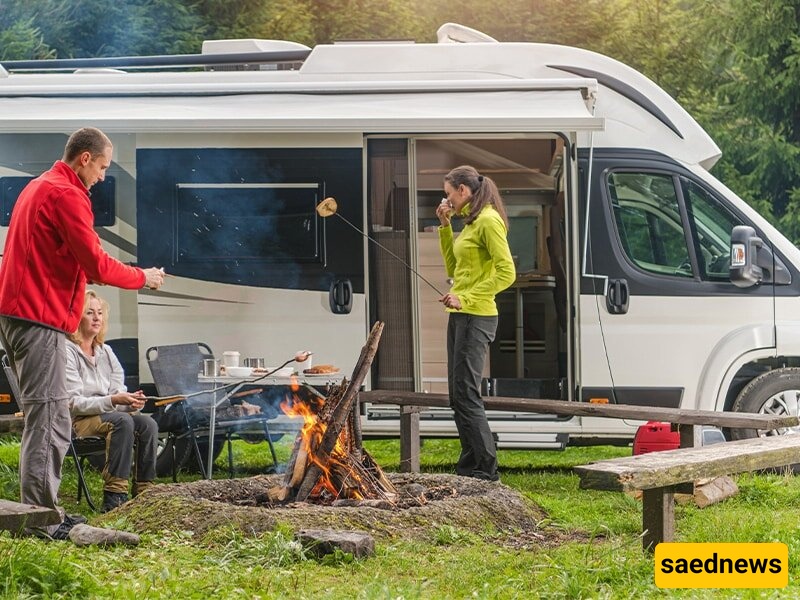
Long stops near cities may be needed for safety and facilities
Physical and mental fatigue from constant travel
Difficulty maintaining hygiene
Limited access to showers and sanitation facilities
Navigation challenges and potential travel problems
Lack of stable income for some individuals
Exposure to extreme weather conditions
Purchasing and converting a van
Fuel expenses
Food costs
Vehicle maintenance and repairs
Everyday living expenses
Van life is ultimately a lifestyle choice that combines freedom, adventure, and simplicity, but it also requires planning, adaptability, and resilience.