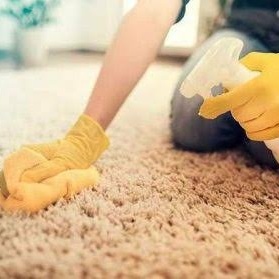
SAEDNEWS: Using carpet shampoo is not inherently wrong; the real problems are choosing the wrong cleaning product, using too much shampoo, rinsing inadequately, and drying the carpet improperly. This guide explores the right and wrong ways to clean carpets with shampoo.

According to Saednews, Carpets are among the most important elements of home décor. In many Iranian homes, a significant portion of the interior’s beauty and overall cost depends on them. Dust, stains, daily foot traffic, and air pollution make periodic carpet cleaning a necessity. One common question is: “Is using carpet shampoo a mistake?” Many people worry that carpet shampoo may damage the fibers, alter the colors, or cause yellowing and unpleasant odors. The short answer is that using carpet shampoo is not inherently wrong. The real mistakes are choosing the wrong cleaning product, using too much shampoo, applying improper cleaning methods, and failing to rinse thoroughly.
As the name suggests, carpet shampoo is specifically designed for cleaning carpets, and many products on the market are suitable for synthetic fibers and certain machine-made carpets. Therefore, using carpet shampoo is not necessarily a mistake.
Problems arise when people clean carpets without considering the fiber type, the appropriate shampoo, the correct concentration, the rinsing process, and the drying method. For example, using a strongly alkaline shampoo on a wool carpet, applying excessive amounts of shampoo, or allowing the carpet to remain wet for too long can cause serious damage.
The key is to choose a shampoo that is compatible with the carpet’s material and follow proper cleaning procedures, rather than avoiding carpet shampoo altogether.
Carpet shampoo is a specialized textile cleaner that typically contains surfactants, mild solvents, pH regulators, and sometimes antifoaming agents. It is designed to loosen dirt trapped in carpet fibers while leaving as little residue as possible.
Carpet shampoo differs from dishwashing liquid, laundry detergent, hair shampoo, and bleach in its formulation and foaming properties.
Using dishwashing liquid or hair shampoo instead of carpet shampoo is not recommended. These products may produce excessive foam, be difficult to rinse out, and leave sticky residues on the carpet. Such residue attracts dust more quickly and may even contribute to discoloration and yellowing.
Some household cleaners also contain bleach or strongly alkaline ingredients that are unsuitable for natural fibers such as wool and silk.
For this reason, a dedicated carpet shampoo should replace general-purpose cleaning products rather than being mixed with them.
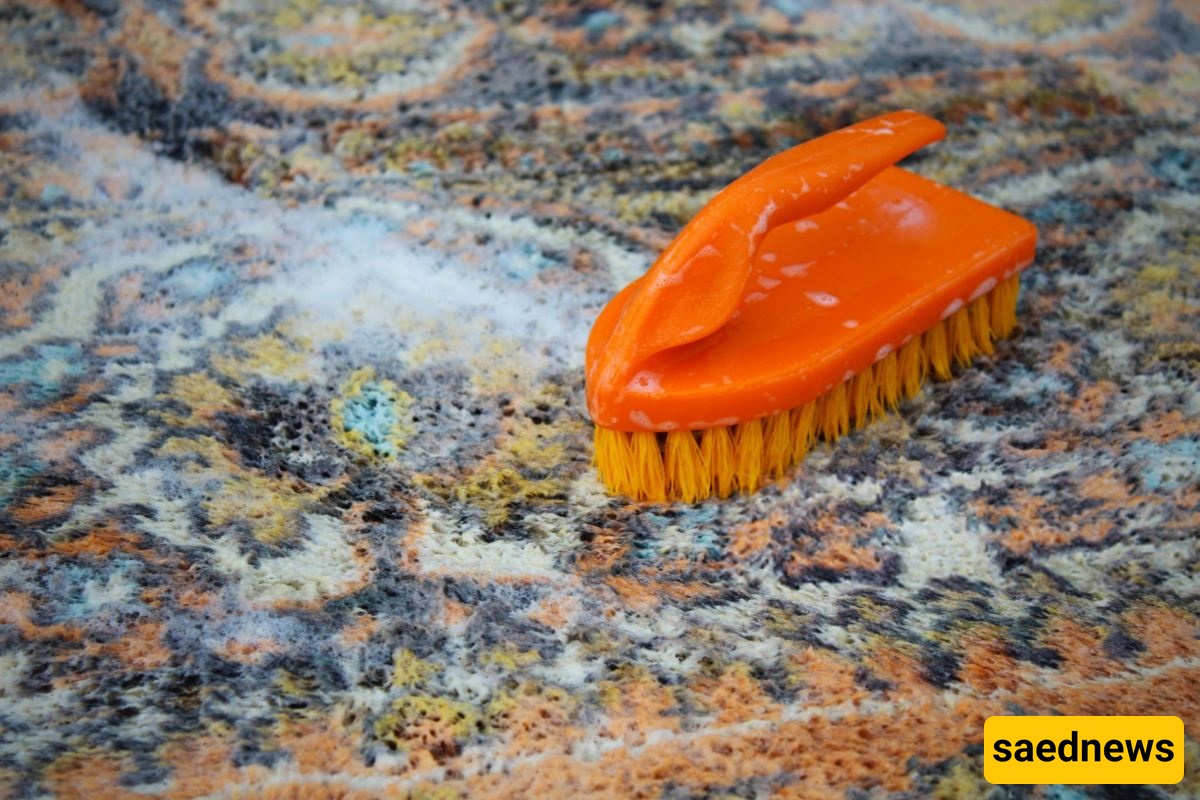
Handwoven, wool, silk, and antique carpets require special care. Some carpet shampoos may have an alkaline pH that makes them unsuitable for wool. Exposure to alkaline conditions can damage wool fibers, make the pile brittle, or alter the carpet's colors.
For these carpets, it is better to use a pH-neutral shampoo specifically formulated for wool or leave the cleaning to a professional carpet-cleaning service.
One of the most common mistakes is applying carpet shampoo directly at full strength. Many products must be diluted with water according to the manufacturer's instructions.
Using too much shampoo does not necessarily improve cleaning results. Instead, it makes thorough rinsing more difficult. Residual shampoo can remain on the carpet, become sticky, and quickly attract dirt.
Rinsing is a crucial stage of carpet cleaning. If shampoo is not completely removed from the fibers, it may cause yellowing, white residue, unpleasant odors, and even skin irritation.
Incomplete rinsing can also shorten a carpet's lifespan, as cleaning agents gradually penetrate the fibers and carpet backing.
Some people use industrial carpet-cleaning machines or high-pressure washers to clean their carpets. Excessive water pressure can damage the carpet's weave, backing adhesive, and seams.
Overwetting can also make a carpet excessively heavy, cause it to lose its shape, and significantly extend drying time.
Using suitable equipment and controlling moisture levels are essential parts of proper carpet cleaning.
Drying is just as important as washing. If a carpet remains in a damp, poorly ventilated environment, it may develop musty odors, mold, or mildew. Prolonged moisture can also affect its colors.
To dry a carpet properly, ensure good ventilation, use fans if necessary, and keep it in an environment with controlled humidity.
Prolonged exposure to intense, direct sunlight can also damage carpet fibers and cause colors to fade.
Combining carpet shampoo with bleach, drain or toilet cleaners, dishwashing liquid, or other chemicals can cause dangerous reactions. Some combinations release harmful gases, while others may damage carpet fibers and dyes.
Never mix cleaning products unless the manufacturer explicitly instructs you to do so.
Before cleaning the entire carpet, test the shampoo on a small, inconspicuous area. This helps determine whether the dyes bleed or the fibers react adversely to the product.
If no changes in color or texture appear after the recommended testing period, you can proceed with greater confidence. Always follow the product's instructions for testing.
When the right carpet shampoo is selected and applied properly, it offers several benefits.
First, it helps remove deep-seated dirt and greasy residues trapped in the pile. Second, a specialized cleaner is generally more suitable for carpet fibers than general-purpose household products. Third, it helps reduce unpleasant odors and dust, potentially improving the indoor environment for people sensitive to allergens.
Proper cleaning also helps preserve the carpet's color and appearance. Finally, regular, appropriate maintenance can extend a carpet's useful life because dust and fine sand particles act like abrasives, gradually wearing down its fibers.
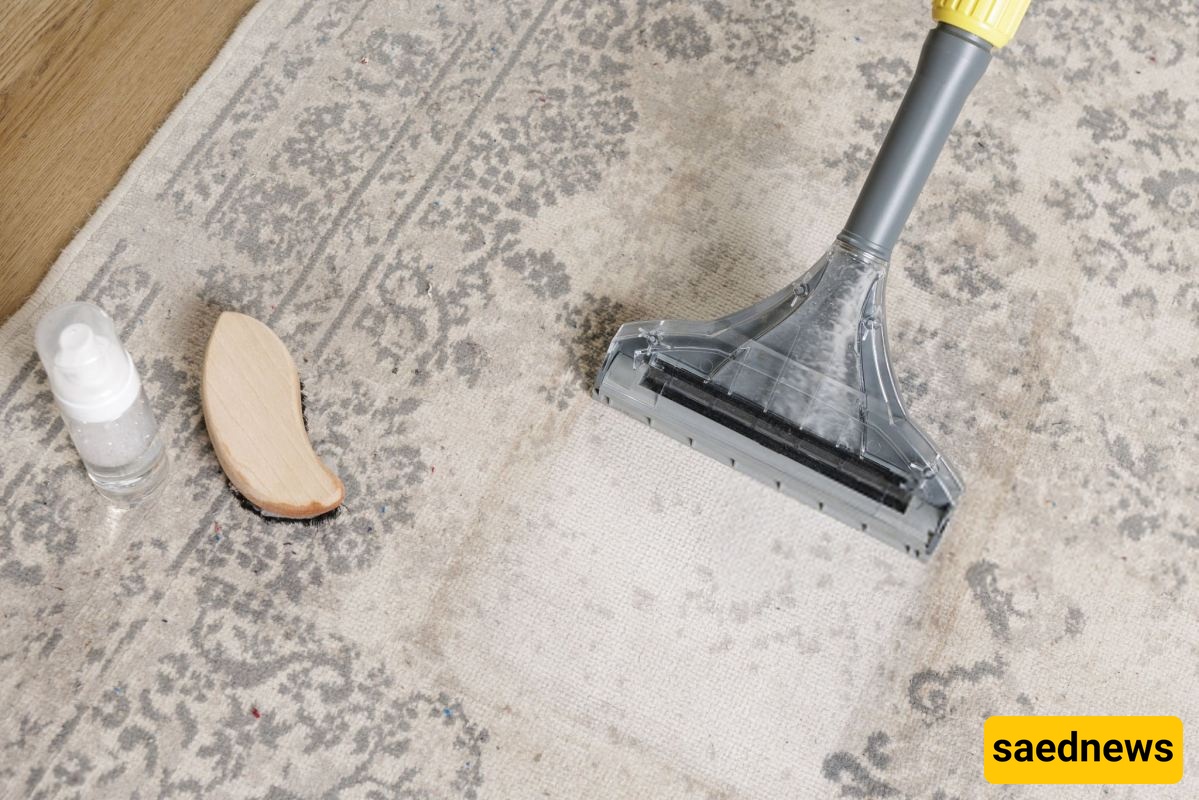
Vacuum thoroughly. Remove loose dust, dirt, and sand before applying any cleaning product.
Identify the carpet material. Determine the fiber type and choose a shampoo suitable for it.
Read the manufacturer's instructions. Dilute the shampoo with water using the recommended ratio.
Test for colorfastness. Apply a small amount to an inconspicuous area and check for any adverse reaction.
Apply the shampoo gently. Use a soft brush or sponge, avoiding aggressive scrubbing.
Allow the shampoo to work. Leave it on for the recommended time, but do not let it dry on the carpet.
Rinse thoroughly. Use clean water and gentle pressure to remove the shampoo completely.
Remove excess moisture. Use a dry cloth or a suitable extraction machine.
Dry the carpet properly. Place it in a well-ventilated area away from prolonged direct sunlight.
Vacuum after drying. Once the carpet is completely dry, vacuum it to restore the pile's natural appearance.
Keep the following points in mind when purchasing carpet shampoo:
Check the pH level. A pH-neutral product is generally preferable for delicate and wool carpets, provided it is specifically suitable for the material.
Check the fiber compatibility. Read the packaging to ensure the product is intended for your carpet type.
Choose reputable products. Look for products from established brands with appropriate safety and quality information.
Avoid products with unclear specifications. Extremely cheap shampoos without clear ingredient or usage information may not be a reliable choice.
Consult a professional for valuable carpets. If you own an expensive handwoven carpet, seek advice from a reputable carpet-cleaning specialist.
A good carpet shampoo should produce a manageable amount of foam, rinse out easily, and avoid an excessively strong or irritating fragrance.
Common mistakes include:
Using concentrated shampoo without diluting it.
Scrubbing the carpet with a stiff or abrasive brush.
Failing to rinse out all the shampoo.
Drying the carpet in an enclosed, poorly ventilated space.
Using hot water on every type of carpet without checking the care instructions.
Mixing carpet shampoo with other cleaning chemicals.
Washing the carpet too frequently, placing unnecessary stress on its fibers.
Leaving the carpet under intense, direct sunlight immediately after washing, potentially causing its colors to fade.
Avoiding these mistakes can make the difference between effective cleaning and a process that damages the carpet.
If your carpet is handwoven, made of silk, antique, dyed with sensitive colors, or affected by particularly difficult stains, it is generally best to use a reputable professional carpet-cleaning service.
Large, heavy carpets that are difficult to dry at home may also require professional equipment.
Professional cleaners can use specialized machinery, suitable cleaning agents, and controlled drying facilities to reduce the risk of damage. However, choosing a reputable service and checking customer reviews are equally important.
Using carpet shampoo is not inherently wrong. The outcome depends on selecting the right product, applying the correct amount, following suitable cleaning techniques, rinsing thoroughly, and drying the carpet properly.
The golden rule is simple: use the right shampoo for your carpet, follow the manufacturer's instructions, and never overlook rinsing and drying. These precautions help keep your carpet clean, fresh, and beautiful while protecting its fibers and extending its lifespan.