SAEDNEWS: Using an expired moisturizer can lead to reduced effectiveness, skin irritation, allergic reactions, infections, and damage to the skin barrier. This article explores expiration dates and PAO (Period After Opening), the main side effects of expired moisturizers, and ways to prevent potential skin problems.
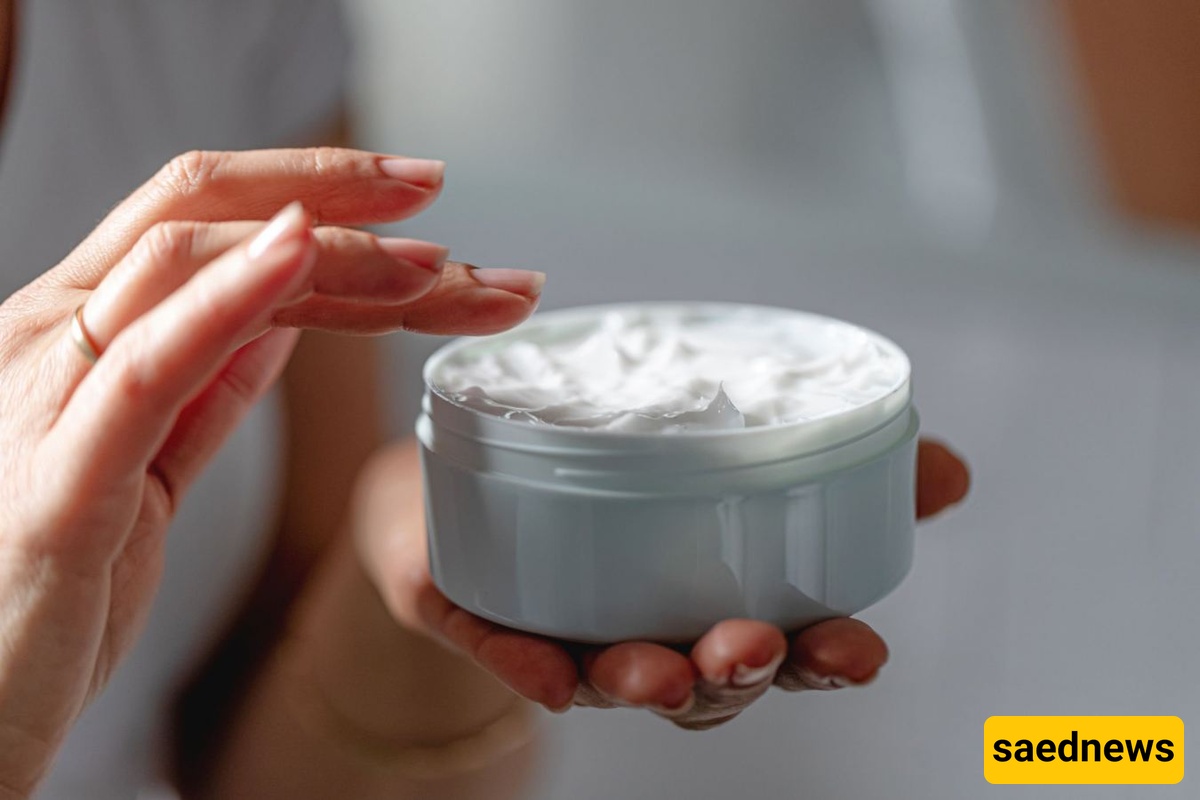
According to Saednews, Expired moisturizer is one of the products many people continue to keep in their beauty drawers, assuming it is safe to use as long as its smell and appearance remain unchanged. But is this assumption correct? Does an expired moisturizer simply become less effective, or can it also harm the skin?
The short answer is that not every expired product is necessarily toxic, but the risks can increase over time. In this article, we explore the potential side effects of expired moisturizers in a comprehensive, science-based, and practical way to help you make informed decisions about your skincare products.
Before examining the potential side effects, it is important to distinguish between two key concepts: the expiration date and the period after opening (PAO).
The expiration date generally indicates how long a product is expected to remain stable under standard storage conditions while unopened. However, once the product is opened, external factors such as air, light, heat, moisture, and contact with fingers can accelerate changes in its formulation and microbial growth.
Many product packages display a symbol resembling an open jar with a number such as 6M, 12M, or 24M. This indicates how many months the product can typically be used after opening.
Therefore, a moisturizer may have a relatively distant expiration date but lose its quality much sooner if it has been opened and stored improperly. This distinction is important because potential side effects depend not only on the printed expiration date but also on storage conditions and how long the product has been open.
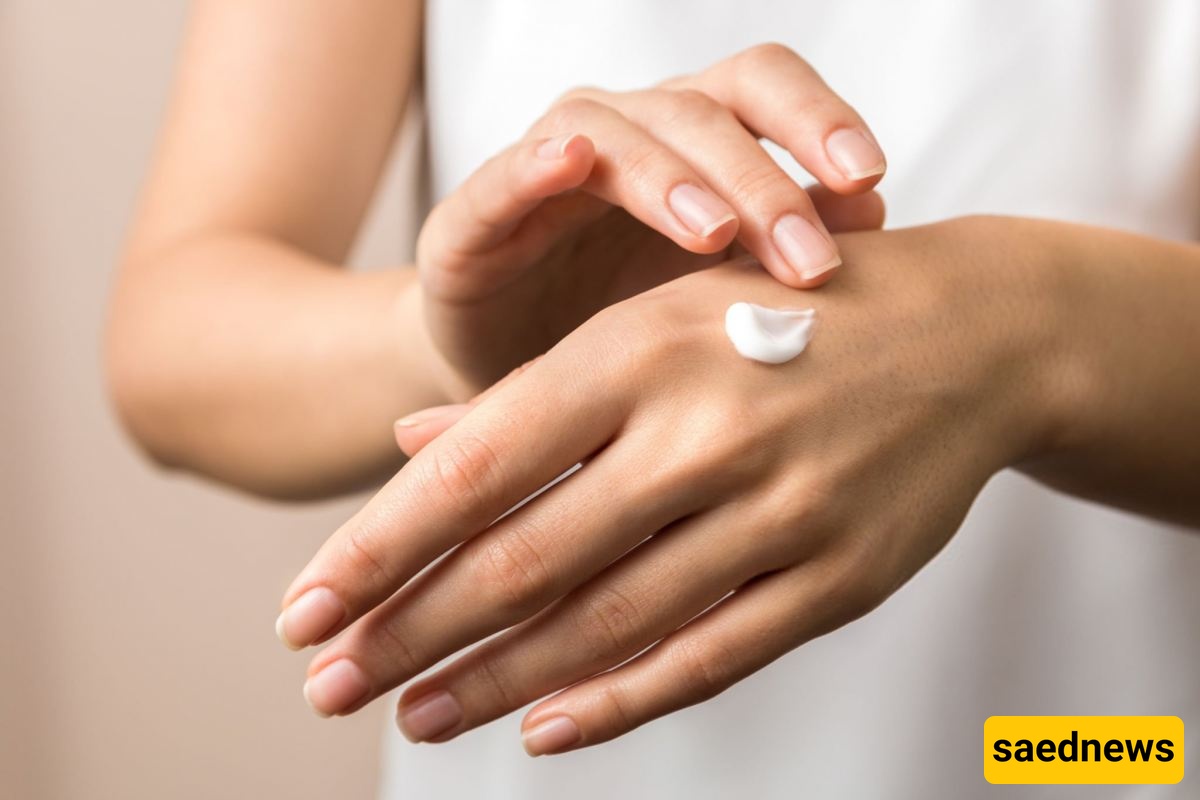
Moisturizers typically contain a combination of water, oils, emulsifiers, preservatives, fragrances, colorants, and active ingredients.
The presence of water can create an environment suitable for the growth of certain microorganisms. Preservatives help control this growth, but their effectiveness may decline over time. The cream's emulsion may also break down, its pH may change, its oils may oxidize, and its active ingredients may degrade.
These changes can lead to reduced effectiveness, altered texture, unpleasant odors, skin irritation, or even infection.
However, the severity of these problems depends on several factors, including the type of product, storage conditions, how long it has been expired, the individual's immune status, and skin sensitivity.
For this reason, not every expired moisturizer is necessarily dangerous, but it cannot be assumed to be safe either.
One of the most common potential side effects of expired moisturizer is skin irritation. When a cream's formulation changes or its pH moves outside the range compatible with the skin, it may cause redness, burning, itching, or a sensation of warmth.
These reactions are particularly common in people with sensitive skin. Irritation may occur immediately after application or several hours later.
The degradation of preservatives, oxidation of oils, and changes in fragrance compounds may increase the likelihood of skin reactions.
Contact dermatitis is an important potential complication of expired cosmetic and skincare products. Symptoms may include redness, swelling, small blisters, severe dryness, and itching.
Sometimes, people assume they have developed an allergy to a new ingredient when the problem may actually be related to using an expired moisturizer.
Reduced preservative effectiveness and contamination with bacteria, fungi, or other microorganisms can increase the risk of skin infections.
Applying a contaminated cream to damaged skin, open wounds, acne lesions, or sensitive areas around the eyes may increase this risk.
Symptoms such as pus, pain, localized warmth, increasing swelling, or fever require medical evaluation. In these situations, continued use of the product and prolonged self-treatment are not recommended.
Changes in a cream's texture, a heavier formulation, or microbial contamination may contribute to the development or worsening of inflammatory acne.
Some people may notice more small pimples, clogged pores, or unusual skin oiliness after using an expired moisturizer.
This problem may be more noticeable in people with oily or acne-prone skin.
The skin has a natural protective barrier. Using a product whose ingredients have degraded may irritate the skin and interfere with its normal barrier function.
Potential consequences include dryness, sensitivity, inflammation, and increased susceptibility to irritating substances.
In these circumstances, the skin may also begin reacting to other products that it previously tolerated well. This cycle can prolong the skin's recovery.
Using an expired moisturizer around the eyes can be particularly concerning because the skin in this area is thin and sensitive, and the tear ducts and eye's mucous membranes are nearby.
Potential problems include irritation, burning, eye redness, swollen eyelids, and, in some cases, infection.
If an expired product gets into your eyes, rinse them with clean water. Seek medical advice if symptoms persist.
Even if an expired moisturizer does not cause irritation, it may no longer work as intended.
Moisturizing agents and other active ingredients may have degraded, reducing the product's ability to maintain skin hydration.
As a result, someone may apply more cream while their skin continues to feel dry. This is particularly relevant for people who rely on moisturizers to manage dryness, eczema, or sensitive skin.
Changes in smell, color, or consistency, as well as separation of the cream's components, are visible warning signs that a product may have deteriorated.
If a moisturizer develops a sour or unpleasant smell, an unusual color, a layered appearance, or a grainy texture, it is best to discard it, even if the printed expiration date has not yet passed.
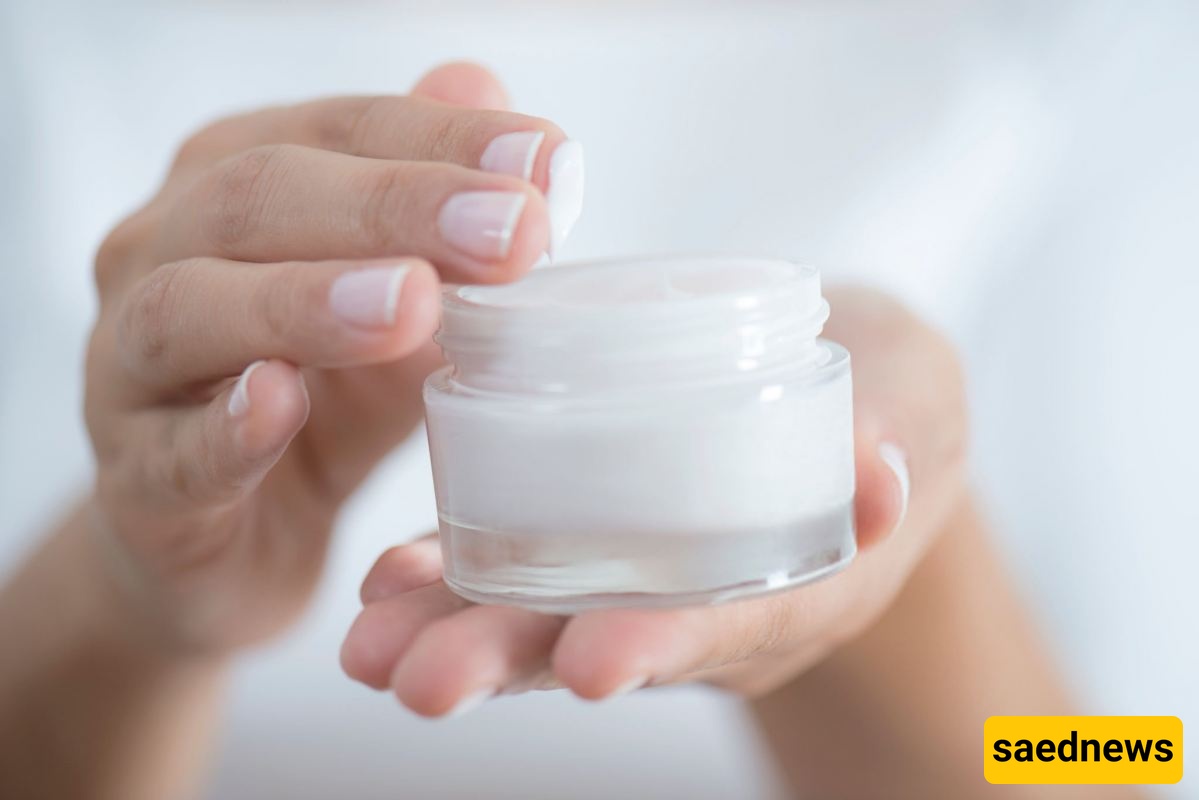
These changes may indicate oxidation, instability, or contamination. However, a product can also become contaminated without any obvious changes in its appearance or smell.
Some people may be more susceptible to the potential side effects of expired skincare products.
These include:
People with sensitive skin or a history of eczema, rosacea, inflammatory acne, or skin allergies.
Individuals with weakened immune systems.
Children and older adults.
People with damaged skin or open wounds.
Pregnant individuals, who should generally prioritize properly stored, in-date skincare products.
People in these groups should be especially cautious and avoid using expired moisturizers.
If you experience burning, redness, itching, or swelling after applying an expired moisturizer, stop using it immediately.
If the product gets into your eyes: Rinse thoroughly with clean water.
Avoid further exposure: Do not apply the product to other areas of your skin.
For mild irritation: Gently wash the affected area with lukewarm water. A simple, reliable moisturizer may help if it does not cause further irritation.
Seek medical attention: Consult a healthcare professional if symptoms are severe, widespread, persistent, or accompanied by pus or significant pain.
Do not continue experimenting with the expired product or rely on prolonged self-treatment if symptoms do not improve.
Expired moisturizer can potentially cause skin irritation, allergic reactions, acne flare-ups, infections, and reduced moisturizing effectiveness. The likelihood of these problems depends on the product's formulation, storage conditions, and how long it has been expired.
Although an expired moisturizer is not automatically harmful, its safety and effectiveness can no longer be reliably assumed. Checking expiration dates, following the period-after-opening instructions, storing products properly, and discarding products that show signs of deterioration are practical ways to protect your skin.