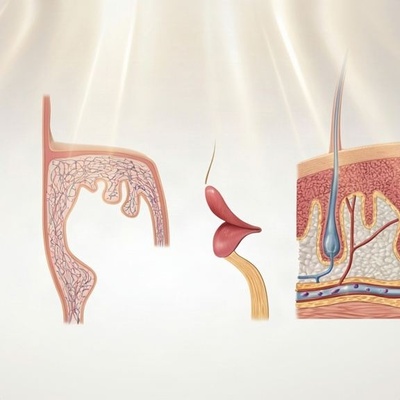
SAEDNEWS: The skin protects against pathogens, prevents water loss, regulates body temperature, enables touch sensation, produces vitamin D, and shields the body from UV radiation. Its structure is similar throughout the body, but its thickness varies.
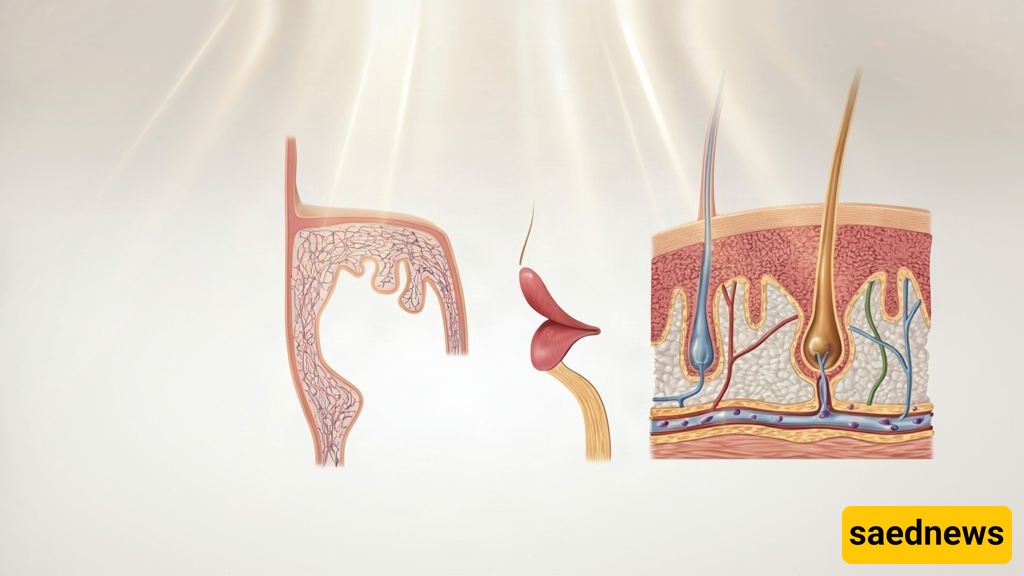
According to Saednews, An important and interesting fact about skin is that it differs across various parts of the body. Although the structure and layers of the skin are generally the same throughout the body, the main difference lies in its thickness.
For example, the skin around the eyes and on the lips is thinner than the skin on other parts of the face, while facial skin is thinner than the skin covering most of the body. Certain areas, such as the genital region, also have thinner and more sensitive skin, whereas areas such as the elbows and knees have thicker skin.
Naturally, the thinner the skin, the more sensitive and vulnerable it tends to be. This is why body care products are not always suitable for the face, and facial creams should not be applied around the eyes unless the product is specifically formulated for that area.
Here are seven essential functions of the skin and how they help maintain the body's health.
The skin acts as a protective barrier, preventing disease-causing pathogens, including bacteria, viruses, and fungi, from entering the body.
Our skin is home to beneficial microorganisms known as the normal skin flora. These microorganisms help defend against harmful invaders by producing antimicrobial substances. In addition, sebum, an oily substance secreted by the sebaceous glands onto the skin's surface, helps inhibit certain harmful bacteria due to its acidic properties.
One of the skin's most important functions is maintaining the body's water balance and preventing excessive water loss.
As you may know, all internal organs need sufficient water to function properly. By limiting water evaporation through the skin, the skin plays a vital role in maintaining overall health.
The skin covers the body and protects underlying tissues and internal structures from external factors. It serves as a protective shield, helping prevent environmental hazards and physical injuries from damaging the body's internal organs.
The skin contains numerous sensory receptors that allow us to detect environmental stimuli, including temperature changes, pressure, and pain. Through our sense of touch, we can interact with and respond to the world around us.
These sensory receptors are also an important part of the body's defense system because they help us respond to potentially harmful conditions. For example, if we could not feel extreme heat or cold, prolonged exposure could cause serious injury or even death.
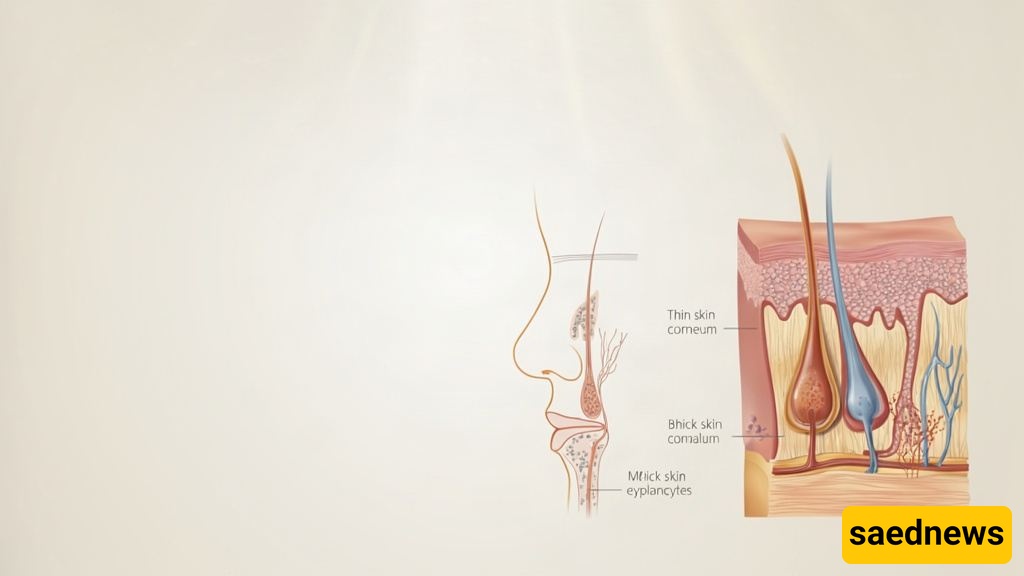
You may think you already know everything about the skin, but one of its remarkable abilities is providing a degree of protection against ultraviolet (UV) radiation from the sun.
The epidermis, the skin's outermost layer, contains specialized cells called melanocytes, which produce the pigment melanin. Melanin gives skin its color, and higher levels generally result in darker skin tones.
Melanin also provides some natural protection against UV radiation by absorbing and dissipating part of the radiation, helping reduce damage to skin cells. UV damage can contribute to premature skin aging and increase the risk of skin cancer.
This is why sun exposure can cause the skin to darken. In response to UV exposure, the skin produces more melanin, resulting in a tan. However, tanning is a sign of the skin's response to UV exposure and does not replace the need for sunscreen and other sun-protection measures.
Sweating plays an important role in maintaining the body's health, particularly by regulating temperature.
When sweat evaporates from the skin's surface, it helps cool the body and prevent overheating. Although small amounts of certain substances are excreted through sweat, removing toxins is primarily the responsibility of organs such as the liver and kidneys.
A significant portion of the vitamin D the body produces is synthesized in the skin when it is exposed to ultraviolet B (UVB) radiation from sunlight.
Vitamin D is essential for several important bodily functions, including maintaining healthy bones, supporting the immune system, and regulating calcium absorption. It may also play a role in certain skin conditions, such as psoriasis and atopic dermatitis, although vitamin D is not a substitute for appropriate medical treatment.
Excessive sun exposure, however, increases the risk of skin damage and skin cancer. Vitamin D needs can often be met through diet and supplements without relying on unprotected sun exposure.
The skin is the body's largest organ and serves as the primary barrier between the internal body and the external environment. From protecting against pathogens and preventing water loss to detecting sensory stimuli, regulating body temperature, providing some protection against UV radiation, and synthesizing vitamin D, the skin performs seven essential functions that support overall health.
Understanding the skin's structure, thickness, and functions is the first step toward choosing appropriate skincare products and maintaining healthy skin.