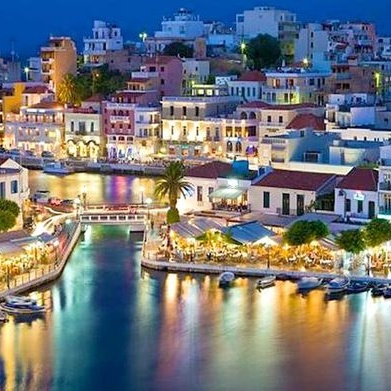
SAEDNEWS: Discover the Beauty of Crete, One of Greece’s Largest and Most Breathtaking Islands
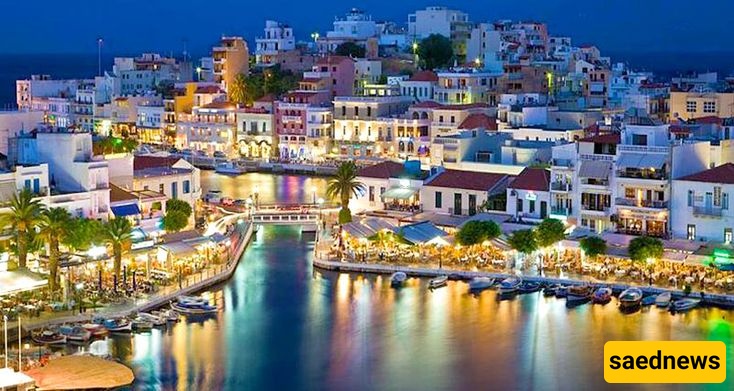
According to Saednews, Crete, the largest island in Greece and the fifth-largest island in the Mediterranean Sea, is a destination where ancient history, breathtaking landscapes, and vibrant traditions come together. Located approximately at 35° north latitude and 24° east longitude, Crete is widely recognized as the birthplace of the Minoan civilization, considered Europe's earliest advanced civilization.
Known as Aqritus in some ancient Persian sources, Crete has a fascinating past and an equally captivating present. From its beautiful beaches and majestic mountains to its historic palaces and traditional villages, the island offers visitors an unforgettable travel experience.
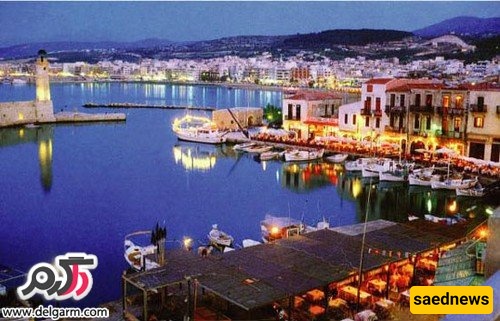
Crete was home to the Minoan civilization, one of the earliest civilizations in Europe. Often described as the cradle of European civilization, the island has a history that stretches back thousands of years. However, much about the origins of the Minoans remains uncertain because their ancient writing system has not been fully deciphered.
Some historical accounts and legends have been preserved through the works of ancient Greek writers and poets, including Homer.
During the Roman period, Crete became involved in the Mithridatic Wars. In 71 BC, Marcus Antonius Creticus attempted to conquer the island but failed. Eventually, the Roman commander Quintus Caecilius Metellus captured Crete after a three-year campaign involving three legions.
The island subsequently became part of the Roman Empire and later the Byzantine Empire. In 824 AD, Arab forces captured Crete, but the Byzantines regained control in 960.
During the Crusades, the island changed hands several times before the Ottoman Empire conquered it in 1669. The Ottoman siege of Crete lasted approximately 21 years, making it one of the longest sieges in recorded history.
Crete also played an important role in the Greek War of Independence, which began in 1821. The island witnessed significant resistance and conflict during this period. At the time of Greek independence, approximately 45% of Crete's population was Muslim. Many later converted to Christianity, while much of the remaining Muslim population left the island in 1924 as part of the population exchange between Greece and Turkey.
During World War II, Crete became the scene of a major battle in May 1941, when German airborne forces fought against British and Allied troops.
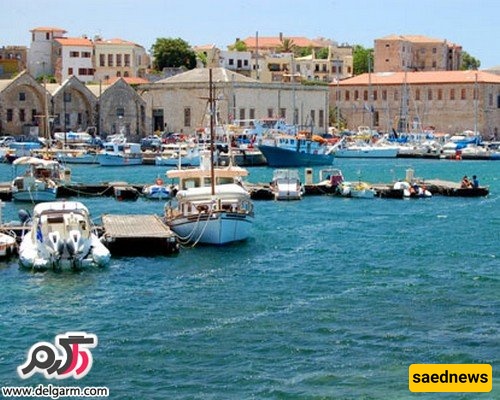
Crete is not only one of Greece's largest islands but also one of the Mediterranean's most historically significant destinations.
Its ancient name, Aqritus, reflects its impressive size. With its remarkable history and diverse landscapes, Crete almost feels like a country of its own.
The island is the birthplace of the Minoan civilization and an important destination for anyone interested in ancient European history. Today, millions of visitors travel to Crete every year to explore its archaeological treasures, enjoy its beaches, and experience its unique culture.
Crete's sandy beaches are attractive throughout much of the year. Even during autumn, visitors can enjoy swimming, coastal activities, and a variety of water sports.
History enthusiasts will find plenty to explore, including 14th-century churches, royal palaces, archaeological sites, and ancient artifacts. The island's stories range from mythological battles to its struggle for independence, making every visit a journey through history.
Crete's architecture reflects the many cultures and civilizations that have influenced the island throughout its history.
Some buildings and architectural features date back to the Ottoman period and the centuries of Muslim presence on the island. Although modern architecture has transformed many parts of Crete, traces of its historical past remain visible.
The island is blessed with spectacular beaches, impressive mountain ranges, fertile valleys, and a rich cultural heritage. Crete is a small world filled with extraordinary treasures, offering countless discoveries for those willing to explore it.
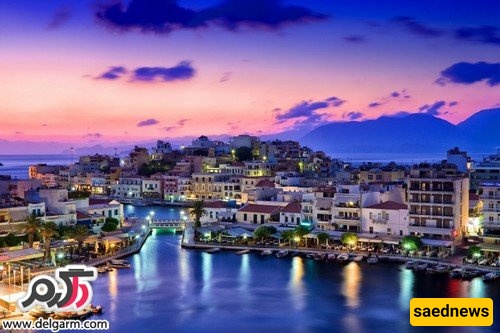
Travelers from countries outside the European Union may need a Schengen visa to visit Greece, depending on their nationality.
Visitors who require a visa should consult the official Greek consular website for the latest application procedures and documentation requirements.
For travelers coming from Iran, the documents traditionally required for a tourist visa include:
A completed visa application form.
A valid Iranian passport.
Three recent color photographs.
Official employment and financial documents.
Employment certificates and bank statements.
Flight tickets and hotel reservations.
Property ownership documents, where applicable.
Crete can also be included in combined Greek travel packages covering destinations such as Athens, Delphi, and Crete.
Travelers can reach the island by domestic flight from Athens or by ferry. International visitors can fly to Athens through various major airlines, depending on available routes and schedules.
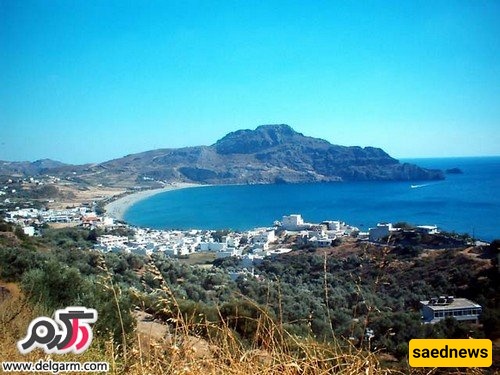
Traditional Cretan cuisine is widely regarded as one of the healthiest food traditions in the world. Its appeal comes not from complicated sauces or unusual spices but from the freshness and quality of its ingredients.
Olive oil plays a central role in local cooking, while wild herbs and mountain vegetables give traditional dishes their distinctive flavors.
The hills surrounding the island are rich in aromatic plants, which local cooks have incorporated into their recipes for generations. Oregano, wild marjoram, basil, fennel, parsley, thyme, and other herbs are commonly used in Cretan cuisine.
One of the island's distinctive dishes is its traditional wild-greens salad, which can contain numerous varieties of wild plants collected from the mountains.
Fresh tomatoes, peppers, pomegranates, and other locally grown ingredients are essential elements of the island's food culture.
Combined with Mediterranean cooking techniques, these ingredients create delicious dishes that are difficult to forget. Popular local specialties include dolmades, fasolakia, and a wide variety of fresh seafood dishes.
Crete offers several forms of public transportation, but renting a car is one of the best ways to discover its quieter villages and beautiful natural surroundings.
Visitors can rent a small vehicle from local car rental agencies by providing the required identification and driving documents.
Driving through Crete's green countryside offers an excellent opportunity to discover hidden beaches, mountain landscapes, traditional villages, and breathtaking viewpoints.
In some historic areas, visitors may also find horse-drawn carriages that provide a charming way to explore the island's heritage.
Boat trips are another enjoyable option. Crete's ports offer different types of boats, allowing visitors to discover coastal scenery and nearby attractions from the sea.
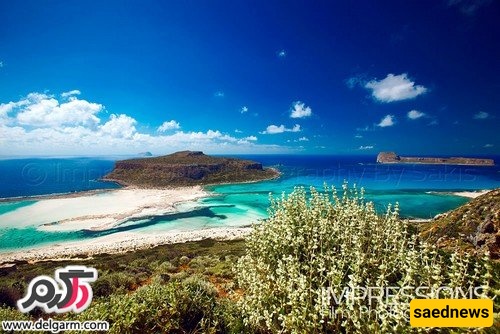
Crete has an exceptionally rich cultural heritage shaped by centuries of interaction with different civilizations, including the Romans, Ottoman Turks, and Germans.
Its history has experienced numerous political and social transformations, from periods of foreign rule to modern democracy.
The island's archaeological sites, Byzantine churches, Venetian monasteries, neoclassical buildings, historic fortifications, and mosques reflect its diverse cultural influences.
Traditional music and dancing remain important parts of everyday life in Crete. They are especially prominent during local festivals, weddings, and religious celebrations.
Modern Crete, however, is very different from the island of previous generations.
European integration and modernization have brought significant changes to local society. Younger generations are generally more educated and independent, while strong family relationships continue to play an important role in Cretan life.
Today, Crete reflects an interesting balance between traditional rural life and modern urban culture.
Many villages have preserved their traditional lifestyles. Older men can still be found enjoying Greek coffee in village cafés, while women continue traditional handicrafts such as crocheting and weaving.
However, younger generations increasingly move toward larger towns and cities in search of education and modern opportunities.
Cretan hospitality is famous throughout Europe. Visitors exploring rural communities may find local residents offering them fresh eggs, vegetables, or fruit as a gesture of welcome.
The dominant religion on the island is Eastern Orthodox Christianity, and religious festivals are celebrated with great enthusiasm.
During national and religious holidays, colorful traditional clothing, music, dancing, and celebrations bring the streets to life.
Crete is also associated with fascinating Greek mythology. One of the most famous legends concerns the Minotaur, a mythical creature with the body of a man and the head of a bull, said to have lived in the legendary Labyrinth under the rule of King Minos.
These stories remain an important part of the island's identity and cultural heritage.
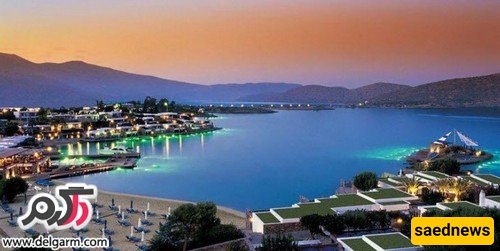
Mark Dubin, a travel writer who has spent more than three decades writing about Greece, has authored several travel-related books about the country, including works on Greek cuisine and tourist attractions.
His perspective highlights the importance of Crete in understanding Greek and European history.
Crete is a destination that offers far more than beautiful scenery. Visiting the island allows travelers to explore different periods of human history and understand the influence of war, disease, cultural change, and peace on its people.
Although Cretans are known for their relaxed and welcoming nature, the island's past has not always been easy.
There are several useful things to know before planning a trip to Crete:
1. Pack light and choose comfortable clothing.
Formal clothing is generally unnecessary for everyday sightseeing. Lightweight, comfortable, and light-colored clothes are ideal for the island's warm Mediterranean climate.
2. Be careful when driving.
Driving habits can sometimes be unpredictable, particularly on busy roads and narrow mountain routes. Visitors should drive carefully, remain alert, and follow local traffic regulations.
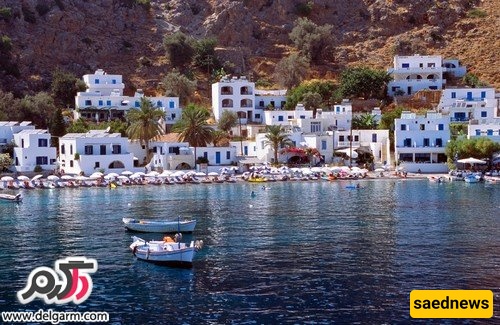
3. Enjoy the island's welcoming atmosphere.
Crete is generally considered a safe destination for tourists. Nevertheless, visitors should take normal precautions and keep their passports, travel documents, and valuables secure.
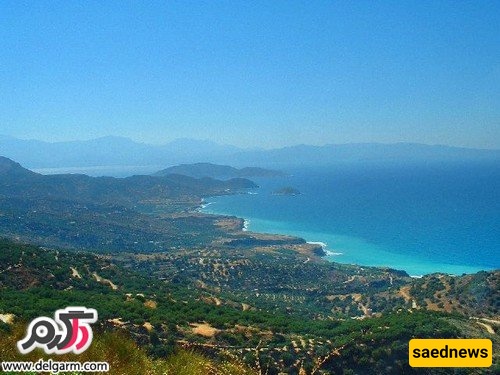
4. Explore the island's natural landscapes.
Do not limit your visit to beaches and historic towns. Make time for hiking, mountain excursions, cave exploration, and visits to traditional villages. Crete's natural scenery is among its greatest attractions.
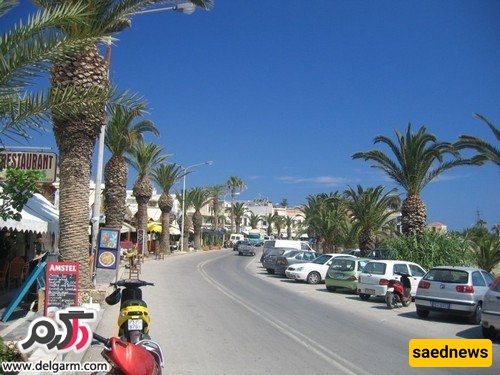
Ultimately, Crete is an island where ancient civilizations, Mediterranean beauty, traditional cuisine, and warm hospitality create an unforgettable travel experience. Whether you are passionate about history, nature, adventure, or relaxation, this remarkable Greek island has something special to offer.