SAEDNEWS: A simple and budget-friendly combination, potato and honey offer brightening, hydrating, and anti-inflammatory properties that may help reduce dark spots, balance excess oil, and minimize visible signs of aging.
According to Saednews, Having clear, fresh, and even-looking skin is a goal for many people. However, air pollution, stress, an unhealthy diet, and the constant use of chemical-based products can gradually diminish the skin’s natural vitality. With so many expensive cosmetic and skincare products available, many people are looking for simple, affordable, and effective remedies made from ingredients they can find in their own kitchen. One popular option is a potato and honey face mask.
The combination of potato and honey is often described as a natural skincare treatment that may help brighten the skin, reduce the appearance of dark spots, provide hydration, and support the skin against visible signs of aging. In this article, we will explore why this combination has attracted so much attention, how to prepare it, and how the recipe can be adapted for different skin types. If you are interested in a natural skincare routine, read on.
Potatoes are not only nutritious foods; they have also been used traditionally in topical beauty treatments for many years. This edible tuber contains vitamins and minerals that play various roles in maintaining healthy-looking skin.
Potatoes contain vitamin C, which contributes to collagen production and may help improve the appearance of uneven skin tone. The vitamin B6 found in potatoes is involved in maintaining normal skin function and may be beneficial for people with oily or blemish-prone skin. Potassium also contributes to maintaining skin hydration, while potato starch has soothing properties.
Another notable characteristic of potatoes is their content of compounds such as catalase and arbutin. Arbutin is commonly used in skincare products formulated to improve the appearance of dark spots and uneven pigmentation, which is one reason potatoes are sometimes described as a natural skin-brightening ingredient. Some people therefore use potato juice or potato slices as a home remedy for under-eye darkness and facial discoloration.
Honey can be considered a natural skincare ingredient with multiple properties. Obtained from flower nectar, honey has been used for centuries both as food and in traditional remedies. In skincare, it is particularly valued for its moisturizing, soothing, and antimicrobial properties.
Honey acts as a natural humectant, meaning it helps attract and retain moisture at the skin’s surface. This can leave the skin feeling softer, smoother, and more hydrated after application. Natural enzymes in honey, including glucose oxidase, can produce compounds with antimicrobial activity and may help limit the growth of certain microorganisms associated with acne.
Honey also contains antioxidants that help protect against oxidative stress caused by free radicals. Its naturally occurring vitamins and minerals may support the skin’s overall appearance and contribute to a healthier-looking complexion.
What makes a potato and honey mask appealing is the complementary nature of the two ingredients. Potato is traditionally associated with skin brightening and oil-control benefits, while honey provides moisture and helps keep the skin from becoming excessively dry.
In simple terms, potato is used primarily for its cleansing and brightening properties, while honey provides moisturizing and nourishing benefits. The resulting mask can be adapted for both oily and dry skin, although individual skin reactions can vary.
One of the main reasons this mask is popular is its claimed ability to improve the appearance of uneven skin tone and dark spots associated with sun exposure, previous blemishes, or hormonal changes. Compounds such as arbutin in potatoes, along with antioxidants in honey, may help improve the appearance of pigmentation over time.
Honey is a powerful humectant that helps attract and retain moisture, while potato starch may help maintain a smooth skin feel. Regular use may help reduce the feeling of dryness, flaking, and roughness.
For people with sensitive, red, or irritated skin, potato and honey may provide a soothing treatment. Both ingredients have properties traditionally associated with calming the skin and supporting its protective barrier.
Potatoes contain compounds that may provide mild astringent effects, while honey has antimicrobial properties. Together, these characteristics may make the combination appealing for people with oily or blemish-prone skin.
Some people apply potato-based preparations around the eye area to help reduce the appearance of puffiness and darkness. However, the skin around the eyes is particularly thin and sensitive, so the product should never be rubbed aggressively or allowed to enter the eyes.
Antioxidants in honey and vitamin C in potatoes contribute to the skin’s defense against oxidative stress. Vitamin C is also involved in collagen production. These properties may support smoother, healthier-looking skin, although a homemade mask should not be considered a treatment for wrinkles.
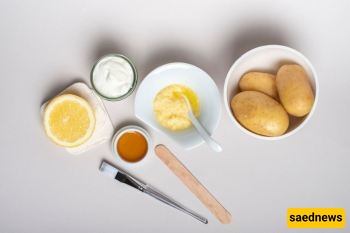
1 medium potato, preferably organic
2 tablespoons pure honey
Optional: a few drops of lemon juice or 1 tablespoon of yogurt
Peel the potato and cut it into small pieces.
Boil the pieces in water until they become completely soft, then drain them.
Mash the cooked potato thoroughly with the back of a spoon or a potato masher until you have a smooth, lump-free puree.
Add two tablespoons of honey and mix thoroughly until you have a uniform paste.
If desired, add a few drops of lemon juice.
Before applying the mask, place it in the refrigerator for about 15 minutes to cool it.
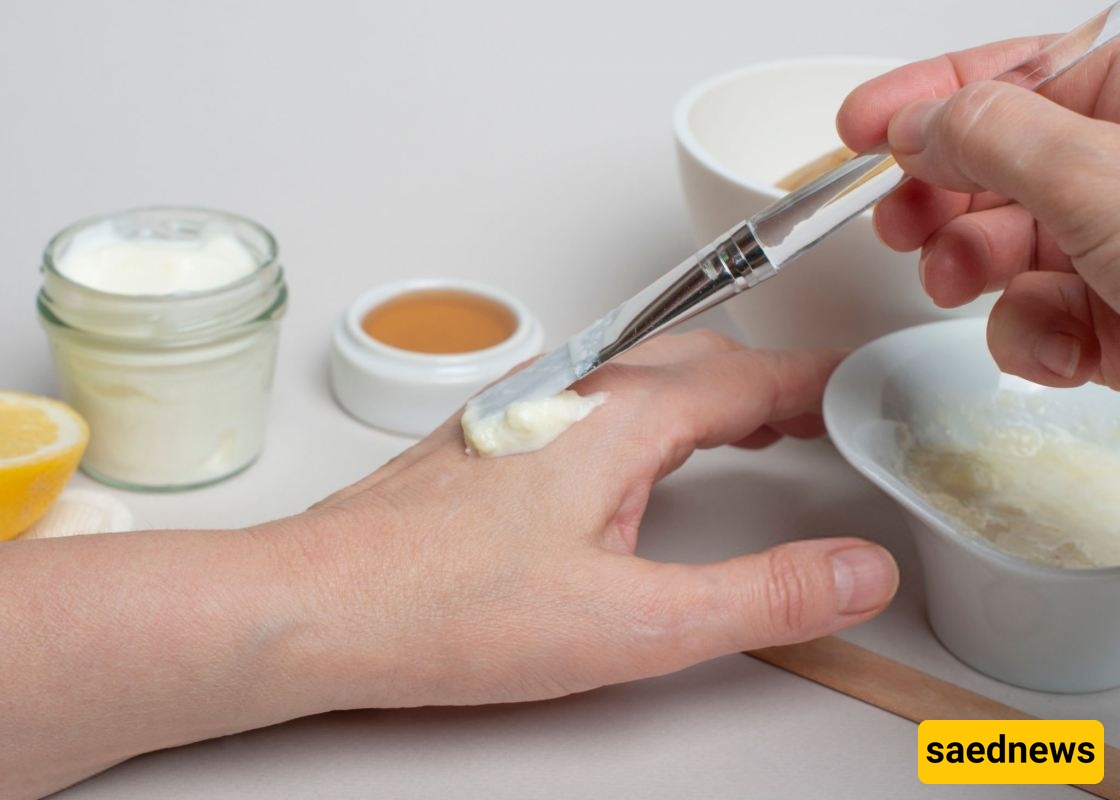
Before application, wash your face with lukewarm water and a gentle cleanser to remove dirt and excess oil. Apply the mask evenly to your face and neck using a clean brush or your fingertips. Avoid the inside of the eyes and the lips.
Leave the mask on for approximately 15–20 minutes. Then rinse it off with lukewarm water using gentle circular movements. Finish by applying a suitable moisturizer to help maintain the skin’s moisture.
If your skin tolerates the ingredients well, the mask can be used two or three times a week.
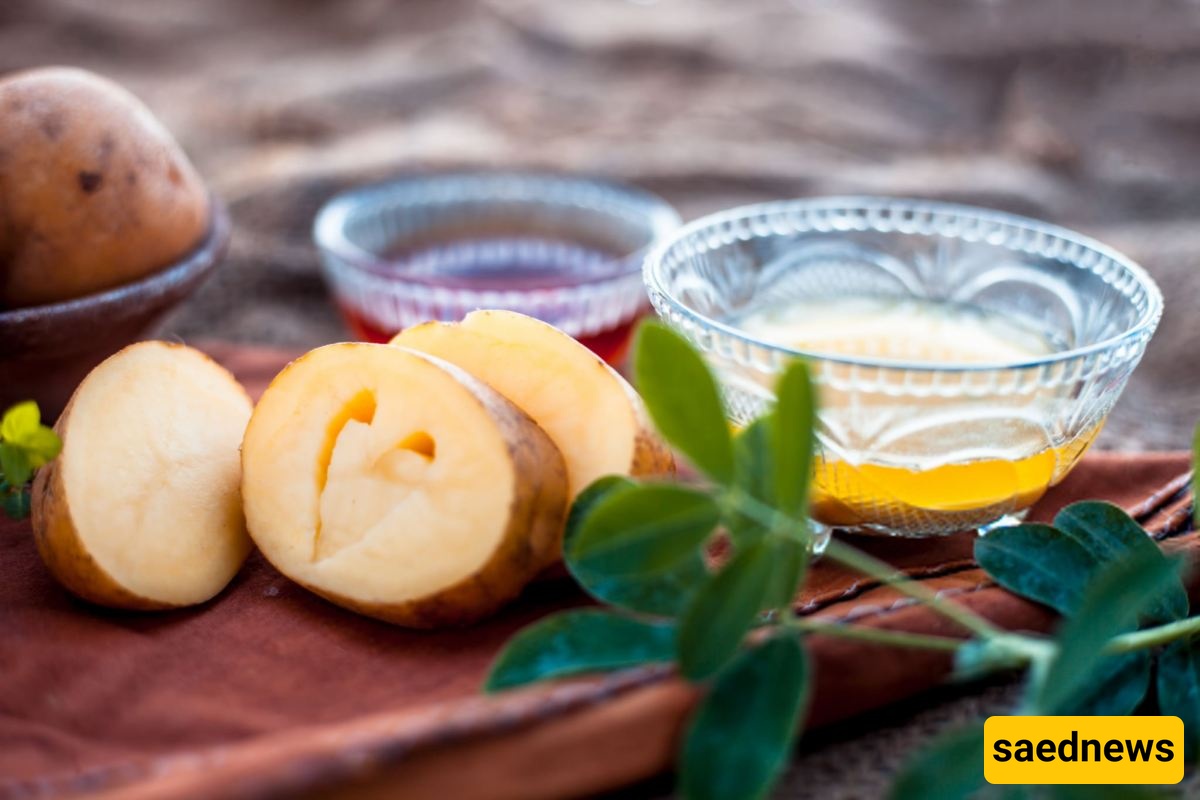
For dry skin, consider adding one tablespoon of full-fat yogurt or a few drops of sweet almond oil to the potato and honey mixture. These ingredients can provide additional moisturizing benefits.
People with oily skin may add a small amount of rose water. Although lemon juice is sometimes suggested for oily skin, it can irritate the skin and increase sensitivity to sunlight, so it is generally safer to leave it out.
For sensitive skin, keep the formula simple and avoid lemon juice. A basic potato-and-honey mixture may be better tolerated than a recipe containing additional acidic ingredients. Always perform a patch test first.
People with combination skin can apply the basic mask evenly across the face. If desired, different formulations can be used on different areas—for example, a lighter mixture on the T-zone and a more moisturizing version on the cheeks.
Patch test first: Before applying the mask to your face, place a small amount on the back of your hand or the inner arm and wait 24 hours. If redness, itching, or burning occurs, do not use it.
Use fresh ingredients: It is preferable to prepare the mask fresh. If stored, keep it refrigerated and use it within 24 hours.
Avoid eye contact: Do not allow the mask to enter the eyes. Be particularly careful around the delicate eye area.
Do not use on damaged skin: Avoid applying the mask to open wounds, cuts, or severely sunburned skin.
Be patient: Results from homemade skincare treatments are not guaranteed and, when noticeable changes occur, they are generally gradual. Persistent dark spots or skin concerns are better evaluated by a dermatologist.
For healthier-looking skin, a homemade face mask should be considered part of an overall skincare routine rather than a standalone solution. Drinking enough water, applying sunscreen before going outdoors, eating a balanced diet rich in fruits and vegetables, and getting adequate sleep can all support general skin health.
It is also a good idea to cleanse the skin before applying any homemade mask. If you use exfoliating or acidic skincare products, avoid combining them with potentially irritating DIY ingredients on the same day to reduce the risk of skin irritation.
Most importantly, natural does not automatically mean risk-free. If you have sensitive skin, allergies, persistent acne, or significant pigmentation, consult a dermatologist before relying on homemade treatments.