SAEDNEWS: Teaching patience in children begins during the earliest months of life, but expectations should always match the child’s developmental stage. In this article, we explore the appropriate ages, evidence-based methods, and common parenting mistakes when helping children develop patience.

According to Saednews, One of the most challenging yet valuable skills any parent can teach their child is patience. In today’s fast-paced world, where almost everything is available instantly, raising a patient child can seem like a major challenge. Many parents wonder: “Is my child ready to learn patience?”, “At what age should I start?”, and “Which methods actually work?”
The answer is not simple, but the good news is that teaching patience begins during the earliest months of life, although our expectations should always match the child’s cognitive and emotional development.
Patience is a social-emotional skill that allows children to avoid impulsive reactions in frustrating or delayed situations and to tolerate waiting. It is closely connected to self-control, emotional regulation, and resilience.
Walter Mischel’s well-known “Marshmallow Test” suggested that children who were able to delay gratification during the preschool years tended to show better outcomes later in areas such as academic achievement, psychological well-being, and social relationships. However, patience is not simply about sitting quietly and waiting. It also involves tolerating frustration, managing anger, and continuing to make an effort when obstacles arise.
It may seem surprising, but the foundations of patience begin during infancy. When babies cry and their parents respond after a brief delay—from a few seconds to a few minutes—they can gradually begin to experience that they are able to wait for short periods. Of course, the delay should be very brief and appropriate to the situation. A hungry, wet, or distressed baby should not be left waiting for a long time.
At this stage, the primary goal is to establish secure attachment. When a child experiences that their needs are consistently met, they begin to develop trust in their environment. That sense of predictability can become an important foundation for patience later in life.
In other words, we are not really teaching an infant to “be patient.” We are helping them learn that the world is predictable and that their needs will be responded to.
Because the areas of the brain responsible for impulse control are still developing, toddlers have very limited ability to regulate their impulses. They want things “right now,” and the concept of time is still difficult for them to understand. However, this does not mean there is nothing parents can do.
At this age, expectations should remain realistic.
A toddler cannot reasonably be expected to stand quietly in a long supermarket line.
However, parents can begin teaching patience through short, intentional waiting periods. For example, you might say:
“I’m pouring your milk into the cup. Can you count to 10 while you wait?”
This turns a brief period of waiting into an activity that feels manageable.
Redirecting attention can also be very effective at this age. When a child becomes restless, guide their attention toward an interesting object or another activity. This can help them shift their attention away from an emotional reaction and toward a more manageable activity.
The preschool years are an excellent time to begin more intentional patience training because:
Children have enough language skills to understand simple concepts.
They can follow basic rules.
Their ability to engage in pretend play allows them to practice different waiting scenarios.
Parents can use several approaches during this period.
Use simple phrases: Practice expressions such as “First your turn, then my turn” during everyday activities.
Use a timer: A visual timer, such as a colorful sand timer, can help children understand how long they need to wait. You might say, “When all the sand has fallen, it will be your turn.”
Practice taking turns: Board games, group activities, and family games provide natural opportunities to practice waiting.
Parents should also model patience themselves. Children learn a great deal by observing adult behavior. If parents become impatient in traffic or while waiting in a store, children may learn to respond to delays in the same way.
During the school years, children become better able to understand time, delayed consequences, and emotional regulation. This makes this period particularly useful for developing patience as the ability to tolerate frustration while working toward longer-term goals.
Useful strategies include:
Set short- and long-term goals: For example, help the child save money over time to buy a larger toy they want.
Practice anger management: Teach the child to take several deep breaths when angry and think about possible solutions instead of reacting immediately.
Use healthy competition and strategy games: Games that require planning, turn-taking, and waiting, such as chess and other strategy games, can provide valuable practice.
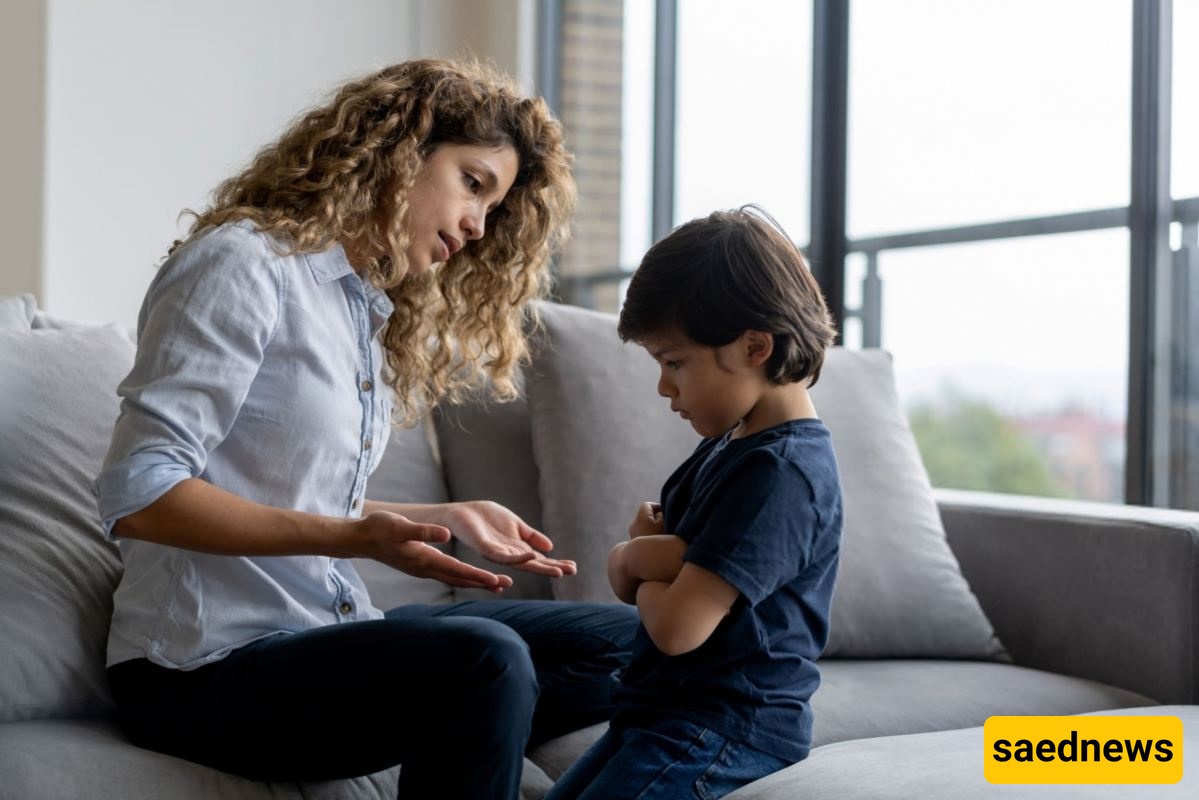
If a child is accustomed to receiving everything immediately, gradually increase the amount of time they are expected to wait. For example, if they can comfortably wait 30 seconds today, try 45 seconds another time.
Gradual increases can help children build their tolerance for waiting without creating overwhelming frustration.
Children often learn best through play. Games such as “Freeze,” tag, and board games that require taking turns can provide excellent opportunities to practice patience.
Afterward, talk about the experience. You might ask:
“How did you feel when you had to wait?”
This helps the child connect the experience with their emotions.
Stories about patience, waiting, perseverance, and delayed rewards can provide children with relatable examples. Books in which a character has to wait or keep trying before reaching a goal can give children useful models to follow.
After reading, ask questions that encourage reflection, such as:
“What do you think the character felt while waiting?”
“What could they have done to make waiting easier?”
When a child demonstrates patience in a real situation, acknowledge it clearly.
Instead of giving general praise, say:
“I really liked how calmly you waited for your turn during the game.”
Specific feedback helps children understand exactly which behavior they are learning.
Before going to the park, for example, you could say:
“We’re leaving in five minutes. Let’s look out the window and see what the birds are doing while we wait.”
This teaches children that waiting can be filled with an enjoyable activity rather than viewed as something entirely negative.

Children should not be punished simply for struggling with patience. Punishment can increase anxiety and undermine confidence. Patience is a developmental skill that improves through practice and guidance, rather than a moral requirement that young children are expected to master immediately.
Impulse control develops gradually throughout childhood. Expecting a young child to demonstrate the same level of self-control as an adult can lead to unnecessary frustration for both the child and the parent.
A tired, hungry, or sick child will generally have a much harder time waiting and regulating emotions. In these situations, parents should adjust their expectations rather than demanding patience.
If parents become visibly frustrated by even small delays, such as waiting for an elevator, children may imitate that behavior.
Children often learn more from what adults do than from what adults tell them to do.
One of the biggest challenges to developing patience today is technology and the constant availability of instant entertainment. With a simple tap, children can access videos, games, and animations almost immediately.
Frequent access to instant rewards may make delayed gratification more difficult, which is why parents can intentionally create opportunities for children to experience waiting.
Some useful approaches include:
Set reasonable screen-time boundaries and help children understand that there may be a short delay between asking for content and receiving it.
Turn ordinary delays, such as waiting for a video to load, into opportunities to practice patience.
Establish technology-free family periods during which everyone plays together, talks, or reads.
Encourage activities that naturally require waiting, turn-taking, planning, and persistence.
Teaching patience is not about expecting children to remain calm at all times. It is about gradually helping them develop the ability to manage frustration, tolerate delays, regulate their emotions, and continue working toward meaningful goals.
The most effective approach changes as children grow: respond appropriately to infants’ needs, introduce brief and manageable waiting during toddlerhood, practice turn-taking during the preschool years, and build longer-term self-control and perseverance during the school years. With realistic expectations, consistent practice, and patient modeling from adults, children can gradually develop one of the most valuable skills they will carry into later life.